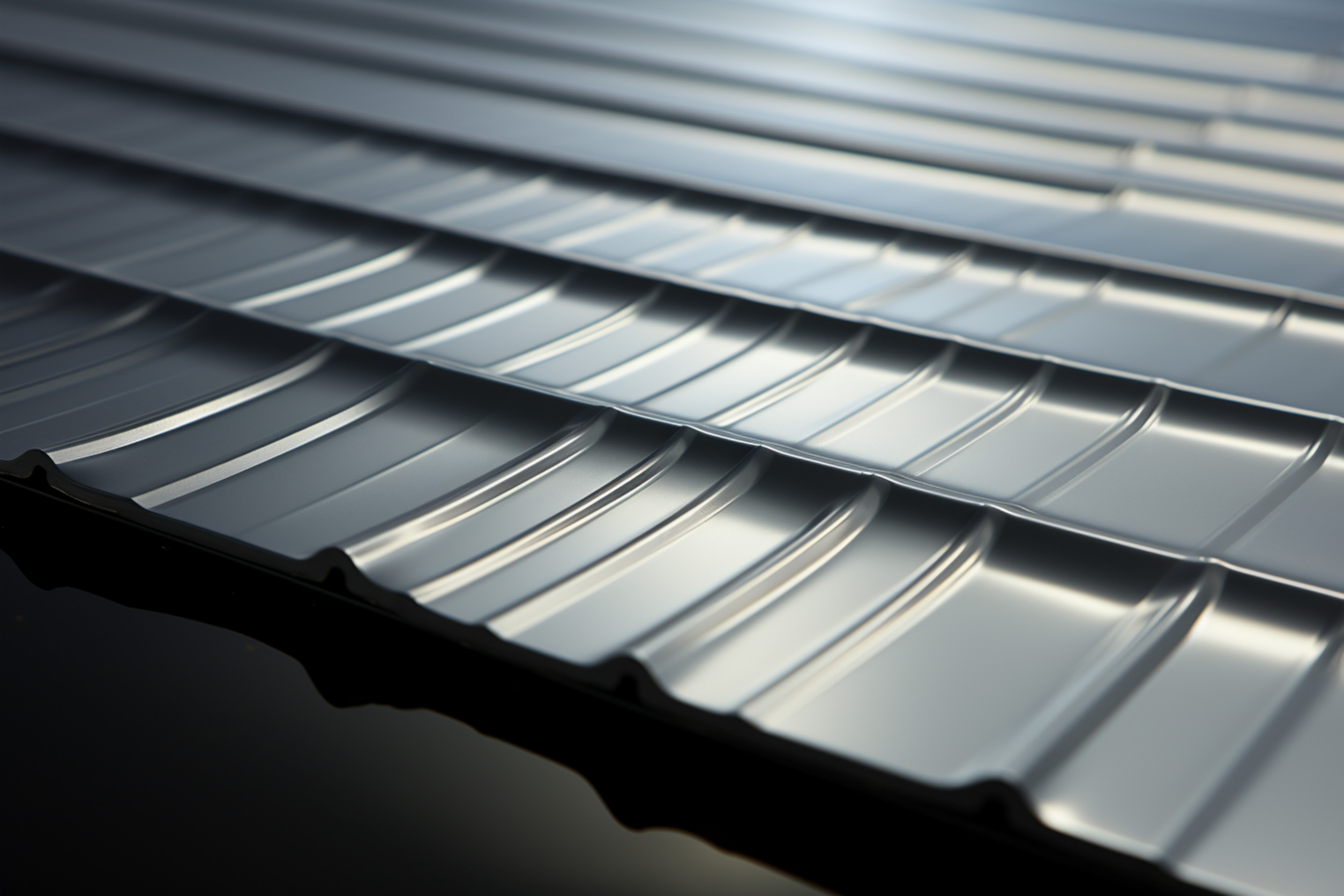
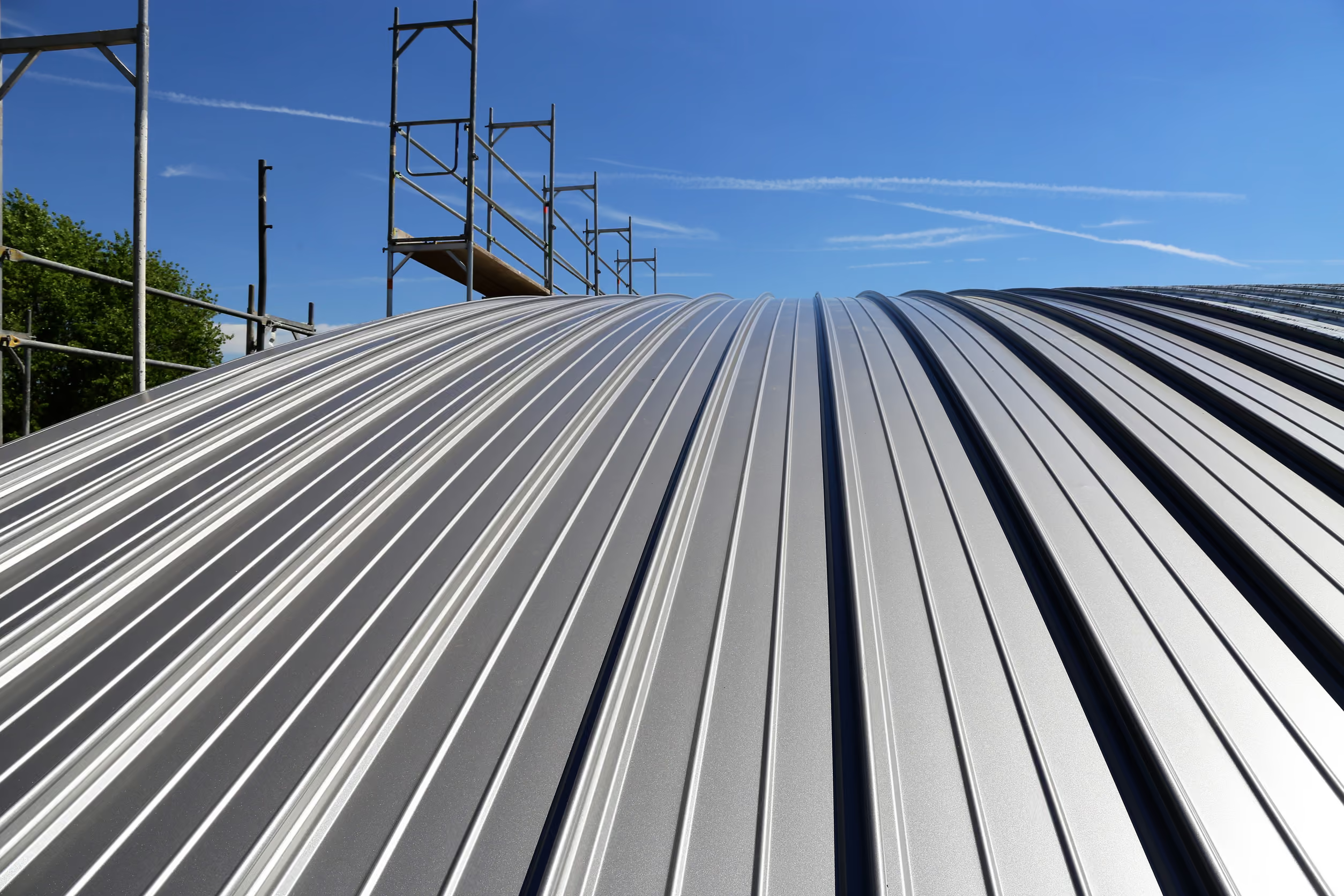
The Anatomy of a High-Performance Commercial Roof
To the untrained eye, a flat roof looks simple. To the experts at RC Roofing LLC, it is a complex assembly of integrated components. To rank at the top of the SERPs and provide real value, we focus on the entire roofing assembly:
The Substrate and Decking
Whether your building has a steel, concrete, or wood deck, the substrate must be perfectly prepared. We perform core sampling to check for moisture trapped in existing layers before we ever lay a new membrane.
Insulation and R-Value
Energy codes in Tennessee are becoming more stringent. We help you choose the right polyisocyanurate (ISO) board thickness to achieve the target R-value for your building. This isn't just about code—it’s about your monthly utility bill.
- Thermal Bridging: We use staggered insulation layers to prevent "thermal bridging," where heat escapes through the gaps between boards.
Flashings and Penetrations
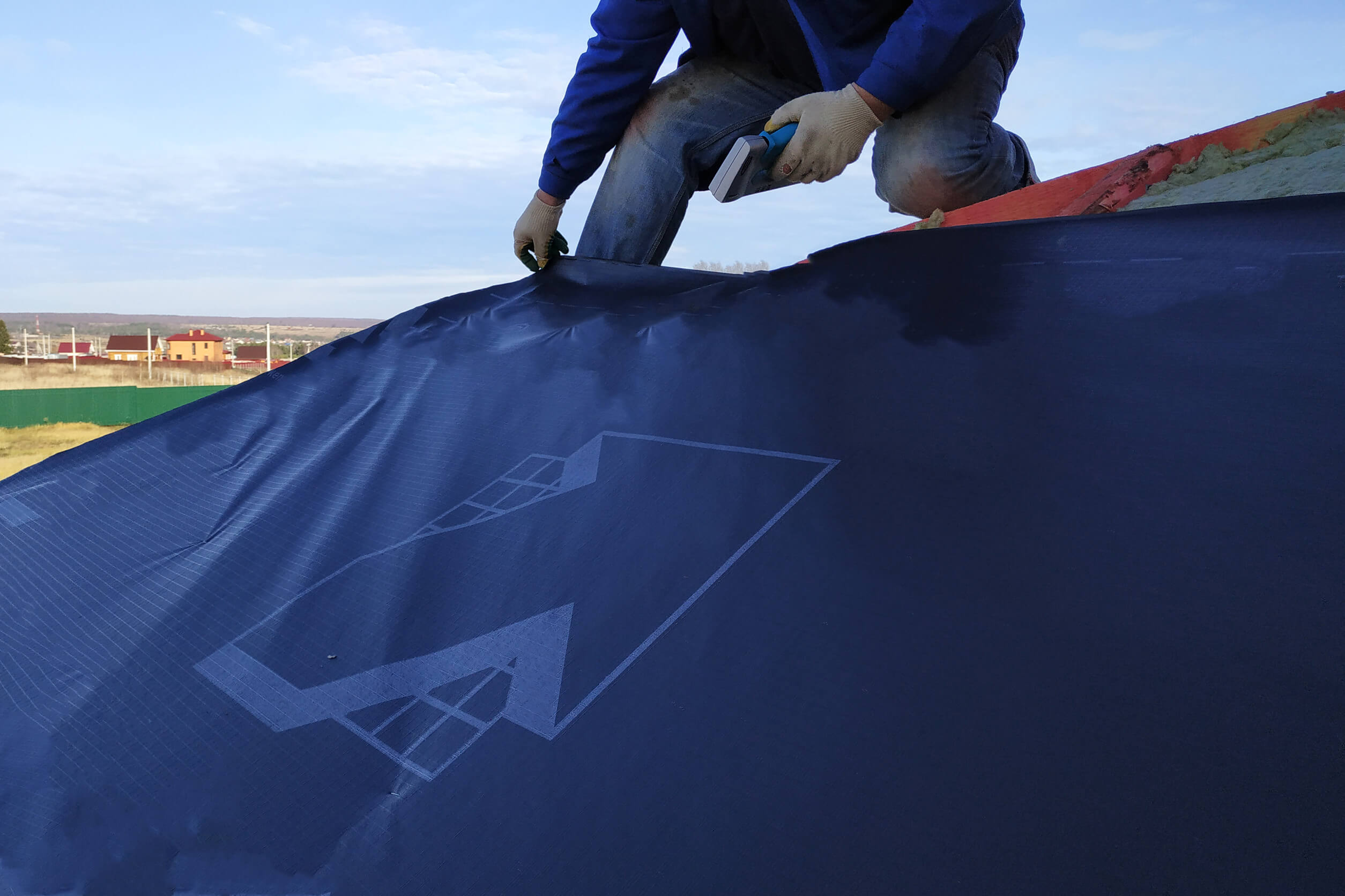
90% of commercial roof leaks occur at the "details"—HVAC curbs, pipes, and parapet walls. We use reinforced flashing membranes and professional-grade sealant pockets to ensure these vulnerable areas are the strongest parts of your roof.
Drainage Systems: Scuppers, Drains, and Gutters
Ponding water is the #1 enemy of a flat roof. We design positive slope systems using tapered insulation to ensure every drop of water finds its way to a scupper or internal drain. In areas like Maryville and Knoxville, where heavy spring rains are common, proper drainage is non-negotiable.




.jpg)