5 Common Myths About Metal Roofing
Metal roofing has become one of the most popular roofing choices for homeowners and business owners who want durability, long lifespan, and strong performance in severe weather. Even so, many people still hesitate because of old assumptions and misinformation. Some myths come from outdated metal roof systems used decades ago. Others come from confusing different metal roof types, especially standing seam systems versus exposed fastener panels.
The result is that many property owners miss out on a roofing option that could be a great fit for their building. The goal of this article is to clear up the most common misconceptions and help you make an informed decision.
In East Tennessee, where storms, humidity, and seasonal temperature shifts are common, metal roofing can be a strong long-term investment when installed properly by an experienced contractor. That is why working with a professional roofing company like RC Roofing LLC matters. The right system and correct installation make all the difference.
Below are five common myths about metal roofing, along with what is actually true.
Myth 1: Metal Roofs Attract Lightning
This is one of the most persistent myths, and it makes sense that people worry about it. Metal conducts electricity, so the assumption is that it must attract lightning.
The reality: Metal roofs do not attract lightning. Lightning is attracted to the tallest or most prominent objects in an area, not to metal specifically. A building’s height, location, and surrounding structures are the main factors that influence strike likelihood.
If a building does get struck, metal roofing can actually be safer than many other roofing materials because it is non-combustible. It does not ignite the way wood or certain roofing components might. In the event of a strike, energy is typically dispersed across the metal surface and directed toward grounding systems, reducing fire risk.
If you want a deeper explanation of this topic, see the RC Roofing LLC blog article Do metal roofs attract lightning?.
Myth 2: All Metal Roofs Last 50 Years or More
Metal roofing is known for long lifespan, but this myth oversimplifies the reality. Metal roof lifespan depends heavily on the type of metal roof you choose and how it is installed.
The reality: There are two broad categories of metal roofing, and they do not age the same way.
Standing Seam and Hidden Fastener Metal Roofing
Standing seam is considered the premium metal roof system. Fasteners are concealed beneath raised seams or clips, which keeps them protected from constant weather exposure.
- Fewer penetration points for water
- Better long-term performance and leak resistance
- Typically minimal maintenance compared to other systems
Expected lifespan: Often 40 to 70 years with proper installation and care.
Exposed Fastener or Screw-Down Metal Roofing
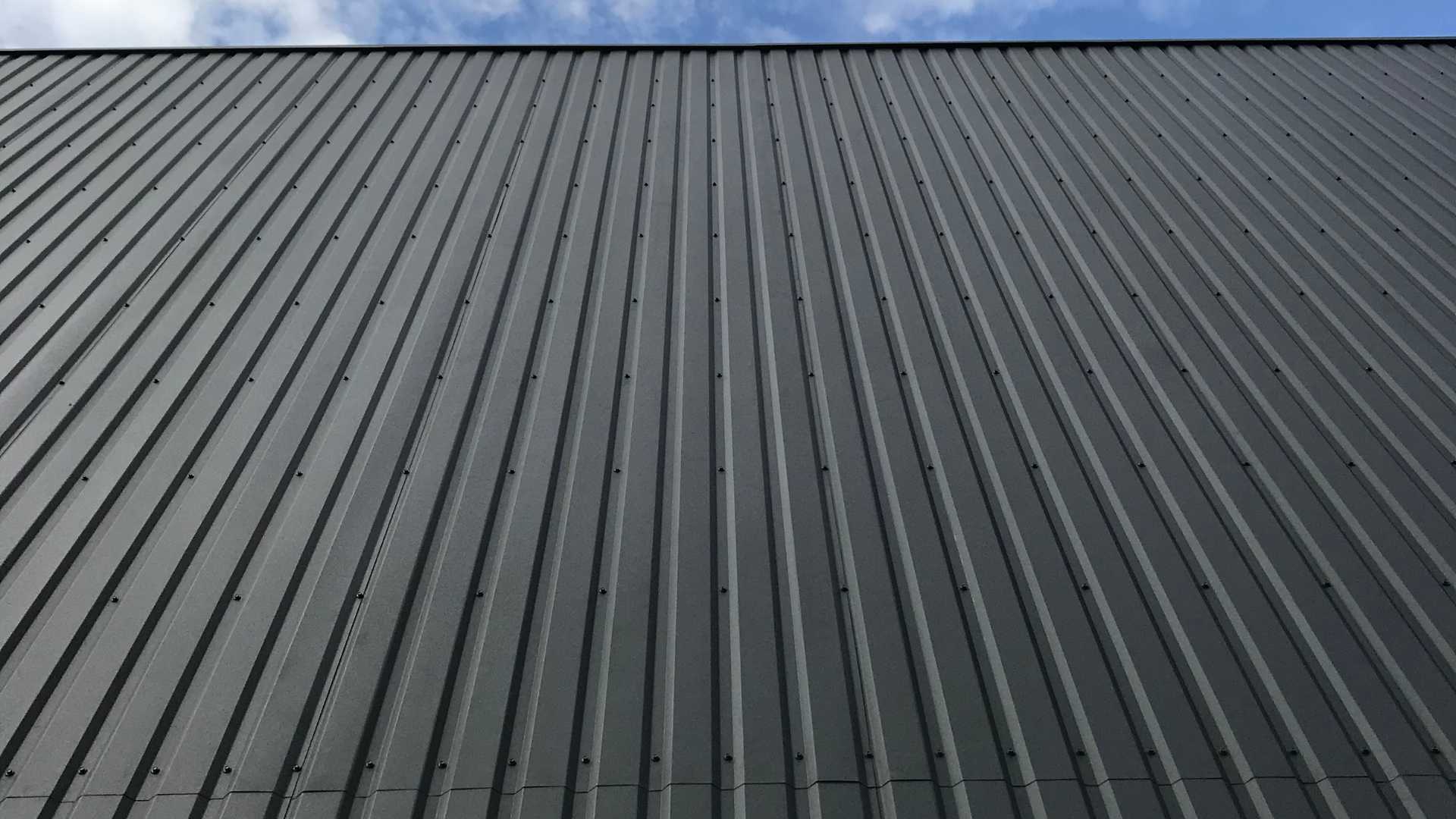
Exposed fastener metal roofs use screws with rubber washers to secure panels directly to the roof deck. These systems are common on barns, workshops, and some commercial buildings.
Over time:
- Washers can dry out and crack
- Screws can loosen due to expansion and contraction
- Each screw hole is a potential leak point
- Periodic fastener maintenance is required
Expected lifespan: Often 20 to 30 years, sometimes less if maintenance is neglected.
This is why it is so important to understand the system you are choosing. If you want a metal roof because you expect a long lifespan, a standing seam system is typically the best choice.
For guidance and professional installation options, see best metal roofing contractors in Maryville and Townsend serving East TN.
Myth 3: Metal Roofs Are Always Too Expensive
Many homeowners assume metal roofing is automatically out of reach financially. It is true that metal can cost more upfront than a basic shingle roof, but that does not mean it is always too expensive or not worth it.
The reality: Metal roofs often provide strong long-term value. The total cost of ownership matters, not just the installation price.
When comparing roofing costs, consider:
- Lifespan and replacement frequency
- Maintenance needs
- Energy efficiency and cooling savings
- Potential increase in property value
- Reduced likelihood of storm-related repairs
- Warranty coverage and long-term performance
A roof that lasts 50 years can be more cost-effective than a cheaper roof that needs replacement every 20 to 25 years.
That said, the cost difference depends heavily on the type of metal roofing you choose. Standing seam systems typically have a higher upfront cost than exposed fastener systems. Exposed fastener systems can be more affordable but usually require more maintenance and may not deliver the same long-term lifespan.
If you are considering roofing costs and want an accurate estimate based on your property, a professional quote is the best place to start. You can request one through RC Roofing LLC’s roof estimate request.
Myth 4: Metal Roofs Are Noisy in the Rain
Many people imagine sitting inside their home during a rainstorm and hearing loud clanging sounds from a metal roof. This idea comes from older metal roofs installed directly over open framing, like barns or sheds, where there is little insulation and no attic space.
The reality: Most residential and many commercial metal roofs are not significantly noisier than shingle roofs when installed correctly.
A properly installed metal roof includes:
- Roof decking beneath the panels
- Underlayment that helps dampen sound
- Insulation and attic space that reduce noise transmission
- Proper fastening and panel design
When metal is installed as a complete roofing system, sound levels inside the building are typically comparable to other roofing materials.
If noise is still a concern, your roofing contractor can recommend additional sound-reducing underlayment options or insulation adjustments.
Myth 5: Metal Roofs Rust Easily and Require Constant Maintenance
Another common concern is rust. People picture metal roofing as something that will corrode quickly, especially in humid climates like East Tennessee.
The reality: Modern metal roofing products are designed to resist corrosion and require minimal routine maintenance.
High-quality metal roofing uses protective coatings and finishes that help prevent rust and degradation, such as:
- Galvanized or Galvalume coatings
- Factory-applied paint systems designed to resist fading and chalking
- Protective sealants and proper flashing systems
Rust typically happens when:
- Low-quality materials are used
- Protective coatings are damaged and left unaddressed
- Water is trapped due to debris buildup or poor drainage
- Dissimilar metals are installed incorrectly, causing corrosion
Routine maintenance is usually simple:
- Keep gutters and roof valleys clear
- Inspect flashing and penetrations periodically
- Check fasteners if you have an exposed fastener roof
- Address storm damage quickly
A well-installed standing seam roof often requires very little maintenance compared to many other systems.
If you are looking for general maintenance guidance, RC Roofing LLC provides helpful tips in the ultimate guide to roof maintenance.
Additional Truths About Metal Roofing That Homeowners Should Know
Beyond the myths, there are practical facts worth understanding before you decide.
Metal Roofing Can Improve Energy Efficiency
Many metal roofs are coated to reflect solar heat, which can reduce cooling costs in warm seasons. This is especially useful in East Tennessee summers. Better energy performance often comes from combining the metal roof with proper insulation and ventilation.
If energy savings are a priority, consider reviewing how to improve your roof’s energy efficiency.
Metal Roofing Performs Well in Storms, But Installation Matters
Metal roofs can be very resistant to wind and rain, but proper installation details are critical. Flashing, edge metal, and penetration seals must be installed correctly to prevent wind-driven rain from entering the system.
If storm resistance is a major concern, see how to protect your roof from storm damage.
Metal Roofing Is Not One Size Fits All
Choosing the right metal roof includes selecting:
- Panel type and fastening method
- Underlayment type
- Flashing style
- Color and finish
- Ventilation approach
A professional roofing contractor helps you choose the right system for your budget and building design.
Why Professional Installation Matters for Metal Roofing
Most metal roofing problems come down to installation. Even the best materials can fail if flashing is done incorrectly or if panels are not secured properly.
Professional installation ensures:
- Correct underlayment for moisture protection
- Proper flashing details at chimneys, vents, and valleys
- Correct fastening patterns and panel alignment
- Ventilation integration for attic health
- Compliance with manufacturer requirements and warranty standards
This is why working with an experienced team like RC Roofing LLC matters. The right contractor helps you avoid costly mistakes and ensures your roof performs as intended for decades.
If you want to explore metal roofing options in East Tennessee, start here:
best metal roofing contractors in Maryville and Townsend serving East TN
For a project estimate, request one here:
request a roof quote from RC Roofing LLC
Final Thoughts: Do Not Let Myths Decide Your Roof
Metal roofing is not the right choice for every property, but it is far more practical and beneficial than many people assume. The biggest myths about metal roofs, such as lightning attraction, excessive noise, and constant rust problems, are either outdated or based on misunderstanding the difference between metal roof systems.
Key takeaways:
- Metal roofs do not attract lightning
- Standing seam metal roofs typically last 40 to 70 years
- Exposed fastener metal roofs require maintenance and often do not last as long
- Noise is not a major issue when installed over decking with proper underlayment
- Modern metal roofs resist rust and require minimal routine upkeep
If you want expert guidance on whether metal roofing is right for your home or business, a professional inspection and consultation is the best next step. RC Roofing LLC can evaluate your roof, discuss your goals, and recommend the most cost-effective system for your property.