Roofing Upgrades That Improve Comfort Year Round
A roof does more than keep rain out of your home. It plays a major role in indoor comfort, energy efficiency, humidity control, noise reduction, and long-term protection. When your roofing system is outdated, poorly ventilated, under-insulated, or damaged, you may notice hot upstairs rooms in summer, cold drafts in winter, musty attic odors, uneven temperatures, and higher energy use.
The right roofing upgrades can make your home feel more comfortable throughout every season. In East Tennessee, where hot humid summers, heavy rain, storm activity, and winter temperature swings are all part of the climate, comfort-focused roof improvements are especially valuable.
This guide explains the best roofing upgrades that improve comfort year round, how each upgrade works, and when it makes sense to call a professional contractor like RC Roofing LLC for an inspection, repair, or replacement plan.
Why Your Roof Affects Indoor Comfort
Your roof is part of your home’s complete building envelope. It works together with attic insulation, ventilation, gutters, underlayment, shingles, flashing, and roof decking. When any part of that system fails, comfort often suffers.
A poor roofing system can lead to:
- Hot upstairs rooms during summer
- Cold spots during winter
- Excess attic humidity
- Mold or mildew concerns
- Drafts and uneven temperatures
- Premature shingle aging
- Higher heating and cooling demand
- Water leaks that damage insulation and drywall
Many homeowners focus only on visible roofing materials, such as shingles or metal panels. However, true comfort comes from improving the full roof system, not just the top layer.
If you want a broader look at roof performance and upkeep, RC Roofing LLC’s guide on year-round roof maintenance is a helpful place to start.
Upgrade 1: Improve Attic Insulation
Attic insulation is one of the most important upgrades for year-round comfort. It helps slow heat transfer between your living space and the attic.
In summer, attic insulation helps keep extreme attic heat from radiating into bedrooms, hallways, and upstairs spaces. In winter, it helps keep heated indoor air from escaping into the attic.
Signs your attic insulation may need attention
You may benefit from improved insulation if you notice:
- Upstairs rooms feel much hotter than downstairs rooms
- Heating and cooling costs seem unusually high
- Your HVAC system runs constantly
- Attic temperatures feel extreme
- You notice moisture, frost, or condensation in the attic
- Some rooms never feel comfortable
Proper insulation also helps protect your roof by reducing condensation risk and stabilizing attic conditions. To understand this connection more deeply, read RC Roofing LLC’s article on how proper attic insulation helps your roof.
Why insulation must work with ventilation
Insulation alone is not enough. If insulation blocks soffit vents or traps moisture, it can cause problems. A professional roofer can inspect your attic and confirm whether insulation is supporting or hurting your roof system.
Upgrade 2: Add or Improve Roof Ventilation
Roof ventilation is another major comfort upgrade. A properly ventilated attic allows hot, humid air to escape while drawing fresh air in through intake vents. This helps control attic temperature and moisture.
Without proper ventilation, your attic can become a heat trap in summer and a condensation zone in winter.
Benefits of proper roof ventilation
Good ventilation can help:
- Lower attic temperatures during warm months
- Reduce moisture buildup
- Improve indoor comfort
- Protect shingles from premature aging
- Help insulation perform better
- Reduce mold and mildew risk
- Support longer roof lifespan
Common ventilation components include ridge vents, soffit vents, gable vents, box vents, and attic fans. The best system depends on your roof shape and attic design.
If you are comparing ventilation options, RC Roofing LLC’s guide on roof vents and attic fans for better airflow explains how each option works.
Balanced airflow matters
The goal is not simply adding more vents. The goal is balanced intake and exhaust. If exhaust vents are installed without enough intake, airflow can become inefficient and may even pull conditioned air from your home into the attic.
A professional ventilation inspection helps confirm whether your attic has the right amount of airflow for your home.
Upgrade 3: Choose Energy-Efficient Roofing Materials
Your roofing material affects heat absorption, cooling demand, and indoor comfort. Some roofing systems reflect more sunlight, hold less heat, and perform better in hot climates.
Energy-efficient roofing options include:
- Reflective architectural shingles
- Cool roof shingles
- Metal roofing with reflective coatings
- TPO or PVC membranes for low-slope roofs
- Lighter color roofing materials
A roof that absorbs less heat can help reduce attic temperature and make your home feel more comfortable during East Tennessee summers.
RC Roofing LLC covers practical material strategies in how to improve your roof’s energy efficiency.
Comfort is not only about color
Light roof colors can help reflect sunlight, but roofing performance also depends on attic insulation, ventilation, material quality, and installation. A darker roof can still perform well if the attic system is designed correctly.
Upgrade 4: Install a Cool Roof System
A cool roof is designed to reflect more sunlight and absorb less heat than traditional roofing materials. Cool roofs are especially valuable for homes and buildings that receive strong sun exposure throughout the day.
Cool roof benefits include:
- Lower roof surface temperatures
- Reduced heat transfer into attic spaces
- Improved indoor comfort
- Less cooling strain during summer
- Better performance for flat and low-slope roofs
Best candidates for cool roofing
A cool roof may be especially helpful if:
- Your home has a hot upstairs level
- Your roof gets direct afternoon sun
- Your attic has high heat buildup
- You are planning a roof replacement
- Your commercial building has a large flat roof surface
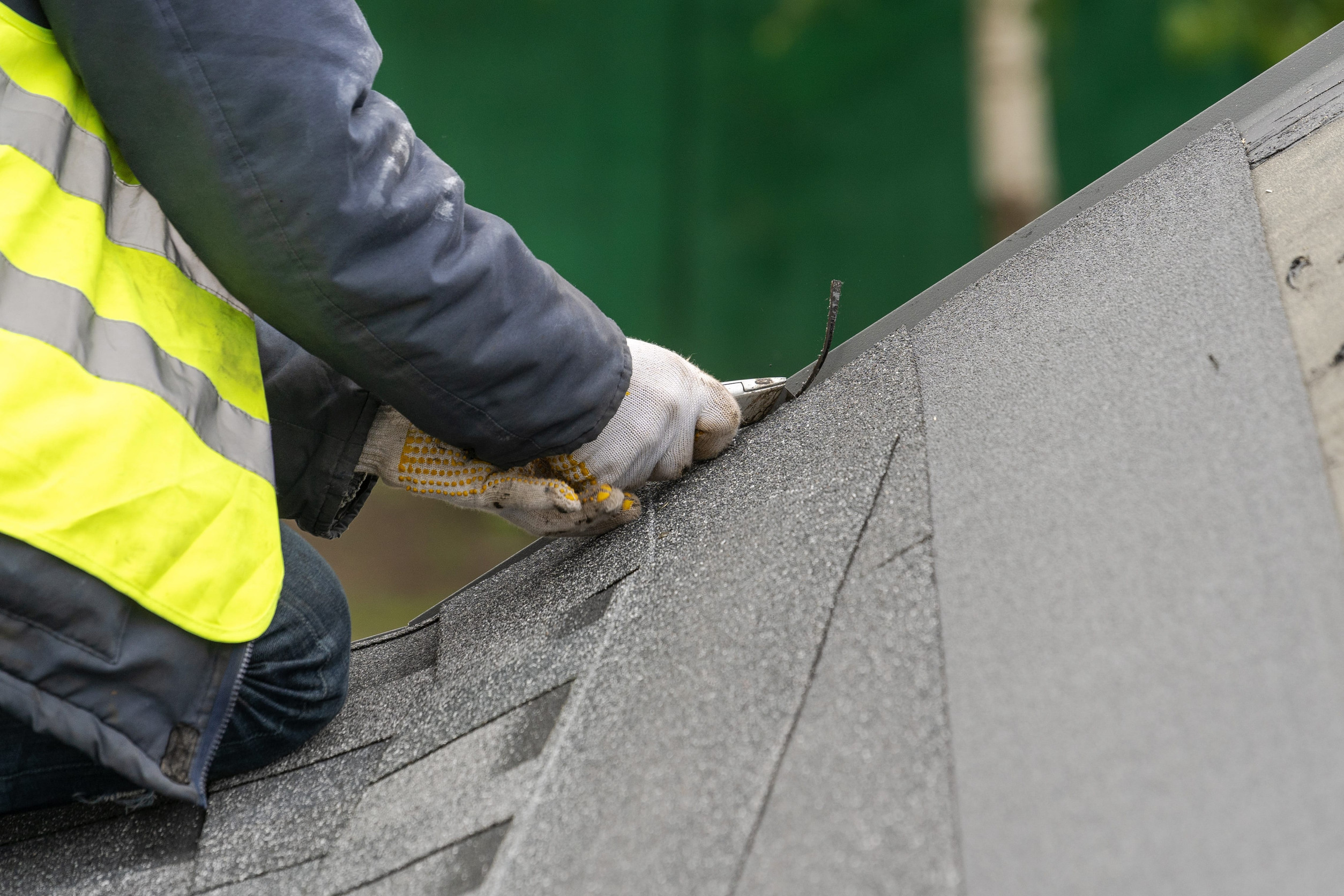
Upgrade 5: Replace Aging or Damaged Shingles
Old, brittle, cracked, or missing shingles can reduce comfort by allowing water intrusion, air leaks, and heat stress. Even small shingle problems can allow moisture into the roof assembly, damaging insulation and decking.
Signs your shingles may need replacement or repair
Watch for:
- Curling or lifting shingle edges
- Missing shingles after storms
- Cracked shingles
- Granules collecting in gutters
- Dark streaks or algae staining
- Repeated leaks in the same area
- Uneven roof appearance
Modern architectural shingles provide improved durability, curb appeal, wind resistance, and long-term performance compared to older three-tab shingles.
If you are unsure whether repair or replacement is the better option, RC Roofing LLC’s guide on roof repair or roof replacement decisions can help you understand the factors.
Upgrade 6: Consider Metal Roofing for Long-Term Comfort
Metal roofing can be an excellent comfort upgrade when properly installed. Metal reflects solar heat well, sheds rain efficiently, and can provide long-lasting protection.
However, not all metal roofs are the same.
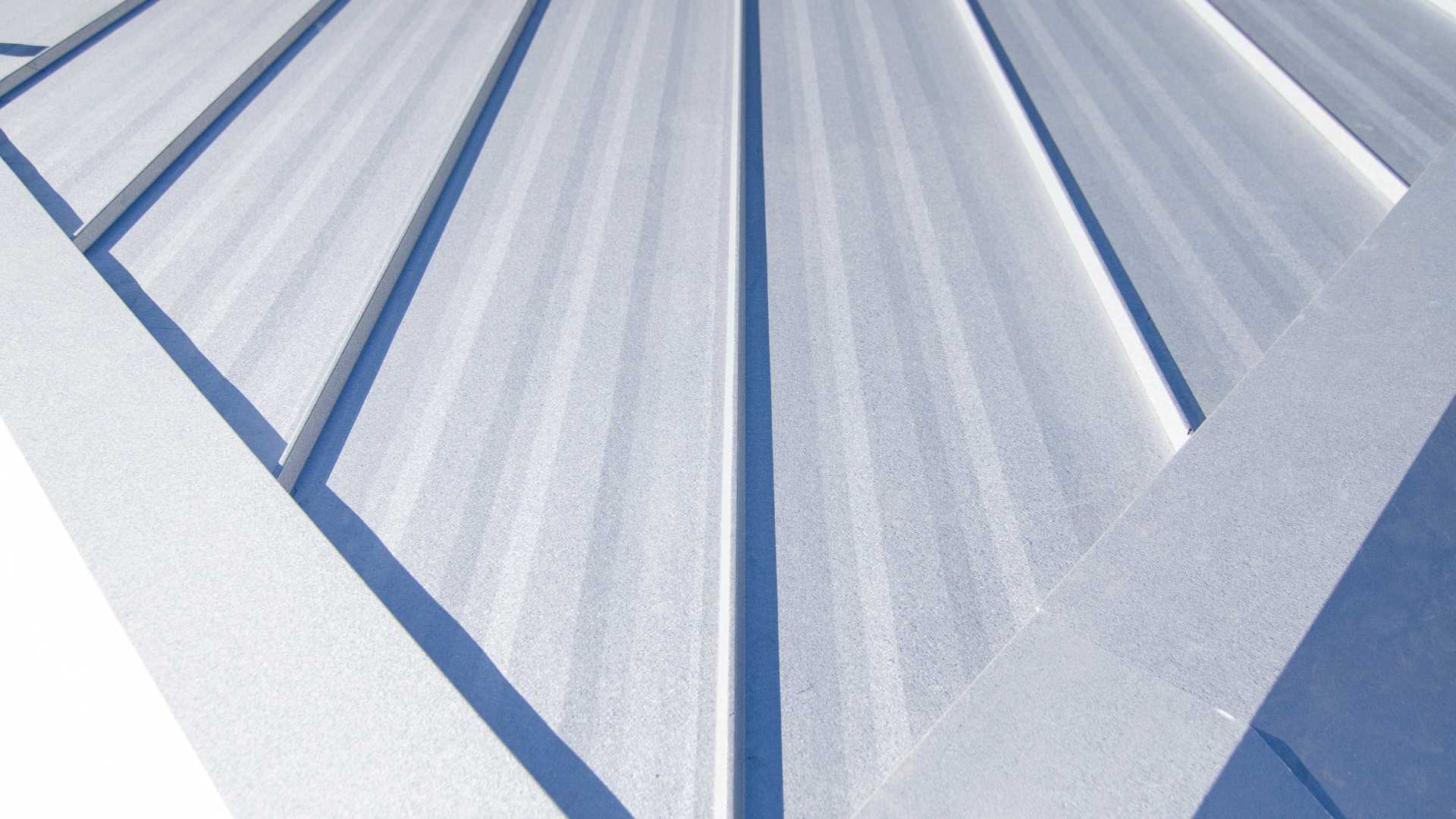
Standing seam metal roofing
Standing seam metal roofs use hidden fasteners, which helps reduce long-term leak risk and maintenance needs. These systems can provide excellent durability and energy performance.
Screw-down metal roofing
Screw-down metal roofs use exposed fasteners with washers. They can be a good fit for certain buildings, but they require more maintenance over time because screws and washers can loosen or wear.
To compare the two systems, review RC Roofing LLC’s article on hidden fastener versus screw-down metal roofing.
Comfort benefits of metal roofing
A quality metal roof can help with:
- Heat reflection
- Weather protection
- Long-term durability
- Storm resistance
- Reduced maintenance concerns when using hidden fasteners
For homeowners interested in metal roof lifespan, RC Roofing LLC also explains how long metal roofs last.
Upgrade 7: Repair or Replace Roof Flashing
Flashing protects the places where your roof meets walls, chimneys, skylights, valleys, vents, and other transitions. These areas are common sources of leaks.
When flashing fails, water can enter the roof system and damage insulation, drywall, framing, and ceiling finishes. Moisture problems often make homes feel humid, musty, and uncomfortable.
Flashing issues can appear near:
- Chimneys
- Skylights
- Roof valleys
- Plumbing vents
- Dormers
- Wall-to-roof intersections
If you see ceiling stains, damp attic areas, or recurring leaks near these locations, flashing may be the issue.
Why flashing upgrades improve comfort
Flashing repairs help prevent moisture intrusion. A dry roof system keeps insulation performing properly and reduces the risk of mold, odors, and humidity problems.
Upgrade 8: Improve Gutter Performance
Gutters are not usually viewed as comfort upgrades, but they directly affect roof health. When gutters clog or overflow, water can back up under shingles, soak fascia, damage soffits, and contribute to interior leaks.
A leaking roof can damage insulation, which leads to comfort problems indoors.
Gutter upgrades and maintenance may include:
- Cleaning gutters twice per year
- Installing properly sized downspouts
- Repairing sagging gutter sections
- Redirecting water away from the foundation
- Removing debris from roof valleys
- Installing gutter guards when appropriate
For a practical maintenance routine, see RC Roofing LLC’s guide on cleaning and maintaining gutters.
Upgrade 9: Seal Roof Leaks Quickly
A roof leak is not just a water problem. It is also a comfort problem. Wet insulation loses effectiveness, damp drywall can develop odors, and moisture can create unhealthy indoor conditions.
Early warning signs of a roof leak
Look for:
- Ceiling stains
- Bubbling paint
- Damp attic insulation
- Musty odors
- Water around skylights or vents
- Dripping during rain
- Soft spots in drywall
Why professional repairs matter
DIY roof patches often miss the true source of the leak. A professional roofer can inspect flashing, valleys, underlayment, and attic moisture patterns to find the root cause.
Upgrade 10: Add Skylights Carefully and Correctly
Skylights can improve comfort by increasing natural light and, in some cases, ventilation. A properly installed skylight can brighten dark rooms and reduce reliance on artificial lighting.
However, skylights must be installed correctly. Poor flashing, improper sealing, or low-quality installation can create leaks and comfort problems.
Skylights can improve:
- Natural light
- Indoor mood and openness
- Ventilation when using venting skylights
- Visual appeal
- Energy efficiency when using modern glass packages
If you are considering skylights, make sure they are integrated with the roof system by an experienced roofing contractor.
Upgrade 11: Improve Underlayment During Roof Replacement
Underlayment is the protective layer installed beneath shingles or metal panels. It acts as a secondary barrier against moisture.
Upgrading underlayment during replacement can improve comfort by helping prevent leaks that would otherwise damage insulation and interior spaces.
Underlayment upgrades may include:
- Synthetic underlayment
- Ice and water shield in vulnerable areas
- Enhanced valley protection
- Better protection around penetrations
- Improved eave and roof edge protection
The best time to improve underlayment is during roof replacement, because the roof covering is already being removed. If replacement is coming soon, RC Roofing LLC’s article on preparing for a roof replacement can help you plan.
Upgrade 12: Choose the Right Roof Color
Roof color affects curb appeal, heat absorption, and how visible stains appear over time. In warm climates, lighter or more reflective colors can help reduce roof surface heat, while blended shingles can help hide normal aging and algae staining.
Consider roof color factors like:
- Siding and brick undertones
- Heat absorption
- Neighborhood appearance
- Algae visibility
- Long-term resale appeal
- Gutter and trim coordination
If you are replacing shingles, read RC Roofing LLC’s guide on choosing shingle colors for your home.
A thoughtful color choice can make your home feel visually warmer, cooler, brighter, or more balanced.
Upgrade 13: Schedule Regular Professional Inspections
Comfort issues often begin as small roofing problems that go unnoticed. A professional inspection helps identify issues before they affect your living space.
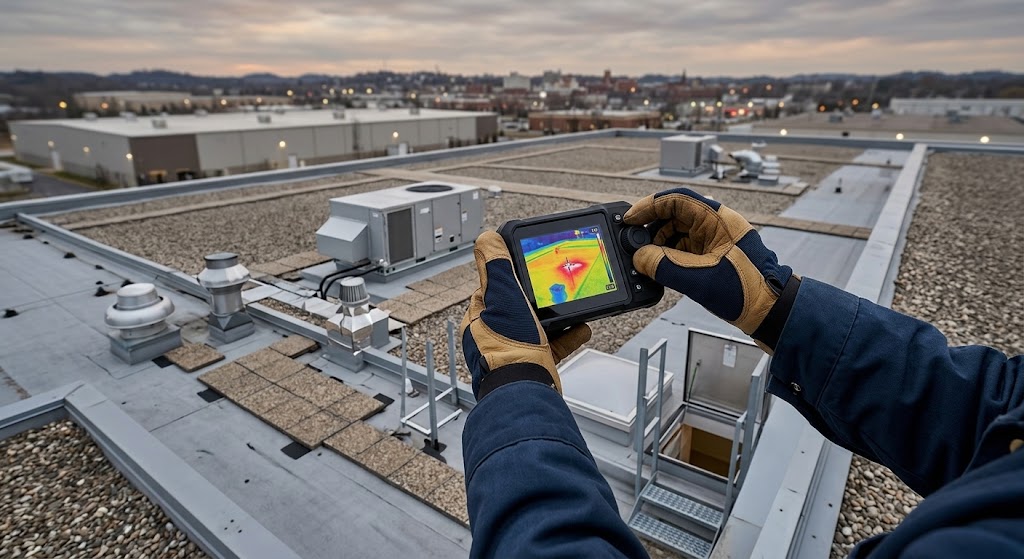
Inspections can reveal:
- Ventilation imbalance
- Damaged shingles
- Flashing gaps
- Moisture in attic spaces
- Gutter drainage problems
- Weak roof decking
- Early signs of leaks
- Storm damage
Regular inspections are one of the best ways to protect comfort year round because they help prevent problems before they become expensive and disruptive.
If you want to understand inspection value, read how often you should inspect your roof.
Upgrade 14: Replace Damaged Roof Decking When Needed
Roof decking is the structural surface beneath your roofing materials. If decking is rotten, soft, or moisture-damaged, the roof system cannot perform properly.
Damaged decking can contribute to:
- Uneven roof surfaces
- Leaks
- Poor fastener hold
- Insulation moisture
- Structural concerns
- Reduced comfort and indoor air quality
During roof replacement, decking should be inspected carefully and replaced where needed. RC Roofing LLC explains this process in when roof decking must be replaced during roofing.
Upgrade 15: Improve Storm Readiness
Storm damage can quickly undo comfort improvements. Missing shingles, punctured roofing materials, or damaged flashing can allow water into the home and ruin insulation.
Storm-focused upgrades include:
- Stronger shingles
- Better flashing details
- Improved underlayment
- Clean gutters
- Tree trimming
- Post-storm inspections
- Emergency tarping when needed
To reduce storm-related roof problems, use RC Roofing LLC’s guide on protecting your roof from storm damage.
How RC Roofing LLC Helps Improve Year-Round Comfort
Roofing upgrades work best when they are selected as part of a complete system. RC Roofing LLC helps homeowners and commercial property owners across East Tennessee evaluate roof condition, attic performance, ventilation, materials, and moisture risks.
A professional evaluation can help determine whether your comfort issues are caused by:
- Poor attic ventilation
- Inadequate insulation
- Aging shingles
- Roof leaks
- Flashing failure
- Drainage problems
- Storm damage
- Weak roof decking
If you need help deciding where to start, explore RC Roofing LLC’s residential roofing services or schedule a professional evaluation through a roof inspection and quote request.
For business properties, RC Roofing also provides commercial roofing services designed for flat roofs, low-slope systems, TPO, PVC, repairs, inspections, and maintenance.
Final Thoughts Roofing Upgrades That Improve Comfort Year Round
Your roof has a direct impact on how your home feels every season. If your upstairs rooms are too hot, your attic smells musty, your energy bills are high, or your roof is showing signs of wear, the issue may not be one simple problem. It may be the result of insulation, ventilation, roofing materials, flashing, and drainage all working together poorly.
The best roofing upgrades for comfort include:
- Improving attic insulation
- Balancing roof ventilation
- Choosing energy-efficient roofing materials
- Installing cool roof products when appropriate
- Repairing flashing and leaks quickly
- Maintaining gutters and drainage
- Considering metal roofing or upgraded shingles
- Replacing damaged decking during roof work
- Scheduling regular inspections
- Preparing your roof for storms and seasonal weather
A more comfortable home starts with a stronger roof system. If you want to identify which upgrades will make the biggest difference for your property, RC Roofing LLC can inspect your roof and provide clear recommendations based on your home, climate, and long-term goals.