Everything You Need to Know About Commercial PVC Roofing
Selecting the right roofing system for a commercial facility is one of the most critical capital expenditure decisions a property owner or facility manager will make. The roof is not just a protective cover; it is an active engineered barrier that impacts energy bills, structural longevity, and operational uptime.
Among the various low-slope and flat roofing options on the market, polyvinyl chloride—commonly known as PVC—has earned a reputation as a premium, high-performance solution. First introduced to the commercial market in Europe during the 1960s and widely adopted in North America by the 1970s, PVC roofing has decades of proven real-world performance.
This comprehensive guide covers everything you need to know about PVC roofing, including its chemical composition, structural benefits, installation methods, cost-to-value ratio, and how it compares to other single-ply alternatives.
1. What is Commercial PVC Roofing?
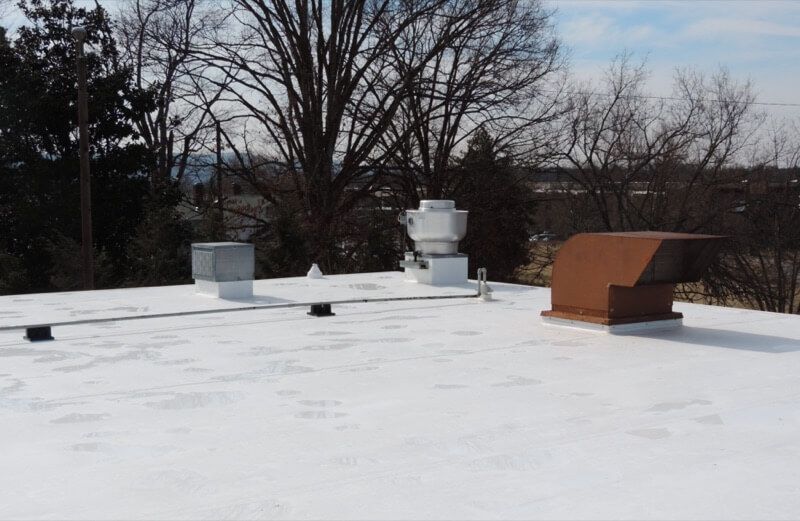
PVC is a single-ply, flexible thermoplastic membrane specifically engineered for low-slope and flat roof applications. Thermoplastic materials are unique because they soften when heated and harden when cooled. This allows installers to heat-weld individual sheets together, creating a continuous, monolithic surface.
+--------------------------------------------------------+
|          TOP PVC LAYER (UV Inhibitors & Color)         |
+--------------------------------------------------------+
|          REINFORCING SCRIM (Polyester / Fiberglass)     |
+--------------------------------------------------------+
|          BOTTOM PVC LAYER (Plasticizers & Polymers)    |
+--------------------------------------------------------+
A high-quality commercial PVC membrane is not a simple sheet of plastic. It is a composite material consisting of three distinct components:
- Top PVC Layer: Formulated with ultraviolet (UV) stabilizers, color pigments (usually highly reflective white), and flame-retardant additives. This layer bears the brunt of weather exposure.
- Reinforcing Scrim: A heavy-duty polyester or fiberglass woven matrix embedded in the center of the sheet. This scrim gives the membrane its dimensional stability, puncture resistance, and tensile strength.
- Bottom PVC Layer: Formulated with high-quality plasticizers to ensure flexibility, durability, and secure adhesion to the underlying roof assembly.
The Standard Specification (ASTM D4434)
To ensure structural safety, commercial PVC membranes must meet strict manufacturing standards defined by ASTM D4434. This standard classifies PVC sheets based on their reinforcement type and physical properties:
- Type II: Fiber-reinforced sheets.
- Type III: Fabric-reinforced sheets (the most common type used in high-performance commercial applications).
- Type IV: Reinforced sheets containing additional polymers or specialized backings for extreme environments.
2. Key Benefits of Commercial PVC Roofing
Commercial property owners choose PVC because of its exceptional performance under harsh environmental and chemical conditions. Here are the primary reasons PVC remains a leading choice for demanding industrial and commercial properties.
Exceptional Chemical and Grease Resistance
This is where PVC outshines almost every other roofing material. Many commercial buildings—especially restaurants, food processing plants, manufacturing facilities, and airport hangars—vent oils, animal fats, cooking greases, and chemical fumes directly onto the roof deck.
When organic fats and petroleum-based chemicals land on EPDM (rubber) or TPO roofs, they cause the membranes to swell, soften, and dissolve. PVC, thanks to its chlorinated chemical structure, is highly resistant to these corrosive agents. It stands up to oils, animal fats, jet fuel, and mild acids without structural degradation.
Heat-Welded Seam Integrity
The weakest point of any low-slope roof is its seams. While systems like EPDM rely on liquid adhesives or seam tapes that can dry out and delaminate over time, PVC seams are fused using specialized hot-air welding equipment.
[Two Separate PVC Sheets] ---> [Hot-Air Welding Tool (~1,000°F)] ---> [Single Fused Sheet]
During installation, a technician runs a hot-air welder along the overlapping seams at temperatures exceeding 1,000°F. The two separate sheets temporarily melt and fuse at the molecular level. Once cooled, the welded seam is actually stronger than the membrane itself, eliminating the risk of water bypassing adhesive joints.
Fire Retardancy
PVC is naturally flame-resistant. The chlorine molecules within the polyvinyl chloride polymer make the membrane hard to ignite.
If a fire starts on or below the roof deck, a PVC membrane will self-extinguish once the primary heat source is removed. This high level of fire resistance helps buildings achieve Class A fire ratings, which can lower commercial property insurance premiums.
Superior Wind Uplift Resistance
Because of its high tensile strength and heat-welded seams, PVC offers exceptional resistance to wind damage. In areas prone to heavy storms, a properly engineered and mechanically attached PVC roof system can withstand hurricane-force winds. The welded seams distribute wind-uplift pressures evenly across the structural roof deck, preventing ballooning or blow-offs.
3. How PVC Compares to Other Single-Ply Membranes
To make an informed investment, property managers must understand how PVC compares to alternative systems, such as EPDM (rubber) and TPO (thermoplastic polyolefin).
PVC vs. EPDM
EPDM is a synthetic rubber membrane that has been popular for decades. When comparing EPDM vs. PVC roofing, several critical operational differences emerge:
- Seam Construction: EPDM uses adhesive tapes; PVC uses molecularly fused hot-air welds.
- Chemical Exposure: EPDM degrades rapidly when exposed to animal fats and oils; PVC remains entirely stable.
- Reflectivity: Standard EPDM is black and absorbs solar heat, whereas PVC is typically white and highly reflective.
PVC vs. TPO
TPO is another popular thermoplastic membrane. While both systems utilize hot-air welded seams, they differ significantly in chemical formulation and track record. Reviewing the attributes of TPO thermoplastic polyolefin roofing systems shows that while TPO is often more budget-friendly, PVC offers superior flexibility, chemical resistance, and a much longer history of successful field performance.
+--------------------------+---------------------+---------------------+---------------------+
| Feature                  | PVC (Thermoplastic) | TPO (Thermoplastic) | EPDM (Rubber)       |
+--------------------------+---------------------+---------------------+---------------------+
| Seam Joining Method      | Hot-Air Welded      | Hot-Air Welded      | Adhesive Tape       |
+--------------------------+---------------------+---------------------+---------------------+
| Chemical/Grease Resistance| Excellent           | Fair                | Poor                |
+--------------------------+---------------------+---------------------+---------------------+
| Fire Resistance          | Excellent (Class A) | Moderate            | Low                 |
+--------------------------+---------------------+---------------------+---------------------+
| Relative Initial Cost    | High                | Moderate            | Low to Moderate     |
+--------------------------+---------------------+---------------------+---------------------+
| Lifespan Expectancy      | 20 to 30+ Years     | 15 to 20 Years      | 20 to 25 Years      |
+--------------------------+---------------------+---------------------+---------------------+
4. Ideal Commercial Applications for PVC Roofing
While PVC is an excellent choice for almost any flat or low-slope building, its specific properties make it the undisputed industry standard for certain types of commercial facilities.
Restaurants and Food Processing Facilities
Commercial kitchens vent massive amounts of vaporized grease, vegetable oils, and animal fats through rooftop exhaust hoods. This grease eventually settles on the surrounding roof membrane.
Using a non-resistant material like EPDM in these areas leads to rapid roof failure, often within just a few years of installation. A PVC roof easily handles this chemical exposure, keeping the facility secure.
Manufacturing and Chemical Plants
Industrial facilities that release acidic byproducts, chemical fumes, or petroleum vapors through roof vents require a membrane that will not soften or crack. PVC resists a wide array of industrial pollutants, making it a reliable option for heavy manufacturing plants.
Airports and Transportation Hubs
Roofs on airport terminals, hangars, and adjacent warehouses are continuously exposed to unburned jet fuel and diesel exhaust settling out of the atmosphere. PVC’s high resistance to hydrocarbons and petroleum fuels protects the building envelope from these airborne solvents.
High-Occupancy Retail and Office Spaces
Because PVC is highly reflective, it is classified as a "cool roof." It bounces over 80% of solar energy away from the building, keeping the underlying office spaces cooler and reducing the workload on rooftop HVAC systems. This makes it ideal for large-scale commercial roofing projects where energy efficiency is a high priority.
5. PVC Roof System Anatomy and Layers
A successful PVC installation relies on an integrated stack of compatible materials. The exact layout is engineered based on your building's structural frame, local wind-uplift requirements, and R-value goals.
+-------------------------------------------------------------+
| 1. PVC Waterproofing Membrane (40, 50, 60, or 80 mil)       |
+-------------------------------------------------------------+
| 2. Coverboard (Gypsum or High-Density Wood Fiber)           |
+-------------------------------------------------------------+
| 3. Thermal Insulation (Polyisocyanurate / Rigid Board)      |
+-------------------------------------------------------------+
| 4. Vapor Barrier (Self-Adhered or Polyethylene)             |
+-------------------------------------------------------------+
| 5. Structural Substrate (Corrugated Steel, Wood, or Concrete)|
+-------------------------------------------------------------+
- Structural Substrate: The building's deck, typically made of corrugated steel, poured concrete, or heavy wood decking.
- Vapor Barrier (Optional): Prevents moisture vapor from inside the building from migrating upward and condensing within the insulation layer.
- Thermal Insulation: Usually rigid polyisocyanurate (polyiso) boards, which provide thermal resistance (R-value).
- Coverboard: A high-density gypsum board (such as DensDeck) installed over the insulation. It protects the insulation from crushing under foot traffic and provides a flat, rigid substrate for the PVC membrane.
- PVC Membrane: The outer waterproofing shield, available in various thicknesses (typically 40, 50, 60, or 80 mils).
6. Installation Methodologies
Depending on your building’s location, structural frame, and budget, commercial roofers will install a PVC system using one of three primary methods.
1. Mechanically Attached System
This is the most common and cost-effective installation method for buildings with steel or wood decks.
- How It Works: Installers lay the PVC sheets across the roof and drive heavy-duty fasteners and stress plates directly through the membrane edge into the structural deck below. The next overlapping sheet is rolled out to cover the fasteners and is then hot-air welded to seal the seam.
- Best For: Large warehouses, manufacturing facilities, and buildings where rapid installation is required.
2. Fully Adhered System
In a fully adhered system, the membrane is bonded directly to the underlying coverboard using specialized adhesives.
- How It Works: Installers apply a low-VOC bonding adhesive to both the back of the PVC sheet and the top of the coverboard. The membrane is rolled out and pressed into place using a heavy steel roller to ensure 100% surface contact.
- Best For: Buildings with concrete decks, high-wind areas, or architectural designs with steep slopes where visible fasteners are undesirable. It also eliminates "billowing" in high winds.
3. Induction-Welded System (RhinoBond)
This modern installation method combines the speed of mechanical attachment with the even load distribution of a fully adhered system.
- How It Works: Technicians secure the insulation and coverboard to the deck using specialized plates coated with a thermoplastic adhesive. The PVC membrane is rolled over these plates. An induction-welding tool is placed on top of the membrane directly over each hidden plate, sending a magnetic field that heats and fuses the plate to the underside of the PVC sheet.
- Best For: Projects where installers want to reduce the number of membrane penetrations and distribute wind loads evenly without using liquid bonding adhesives.
7. Cost, Lifespan, and Lifecycle ROI
While a PVC roof requires a higher initial investment than basic materials like asphalt shingles or simple rubber, its long-term return on investment (ROI) is exceptional. When evaluating the best roofing options for flat roofs, PVC consistently ranks near the top for long-term value.
Initial Installation Costs
On average, a commercial PVC installation ranges from $8.50 to $14.00 per square foot, depending on:
- The thickness of the membrane (60-mil or 80-mil systems cost more but offer superior puncture resistance and longevity).
- The attachment method (fully adhered systems require more labor and adhesive materials than mechanically attached setups).
- The complexity of the roof profile (multiple HVAC penetrations, skylights, and parapet walls increase labor time).
Long-Term Energy Savings
Because white PVC roofs are highly reflective (often reflecting over 80% of solar radiation), they dramatically reduce the "urban heat island" effect. This reflectivity keeps roof surface temperatures up to 50°F cooler than dark roofs on hot summer days.
This drop in temperature lowers cooling energy use, helping facility owners recoup a portion of their initial investment through reduced monthly utility bills.
[Solar Radiation] ---> [Standard Black Roof: 160°F Surface Temp] ---> [High HVAC Bills]
[Solar Radiation] ---> [Reflective White PVC:  95°F Surface Temp] ---> [Lower Cooling Costs]
Lifespan Expectancy
A professionally installed and well-maintained PVC roof will easily last 20 to 30+ years. Its natural resistance to UV radiation, biological growth, and structural movement ensures it remains pliable and watertight long after other single-ply membranes begin to crack and delaminate.
8. Best Practices for Maintenance and Repairs
Although PVC is exceptionally durable, implementing a proactive maintenance plan is key to maximizing its service life.
1. Conduct Bi-Annual Inspections
Property managers should inspect the roof at least twice a year—once in the spring and once in the autumn—as well as after any severe weather events. During these walk-throughs, inspectors should look for:
- Physical punctures from dropped tools, HVAC maintenance debris, or hail.
- Blocked roof drains, gutters, or scuppers that could cause standing water.
- Damage to perimeter flashing metals or expansion joints.
2. Keep the Surface Clean
Over time, dirt, atmospheric soot, and biological growth can accumulate on the white PVC surface, reducing its solar reflectivity. Power-washing the roof with water and a mild, non-abrasive soap every few years restores its cool roof performance and keeps energy bills low.
3. Easy Patching and Repairs
One of the best design features of PVC is that even as it ages, the membrane remains thermoplastic. If a puncture occurs 15 years after installation, a technician can easily clean the area, lay down a new PVC patch, and hot-air weld it directly to the existing membrane. This makes repairs fast, reliable, and permanent, avoiding the messy, temporary patches associated with other roof types.
Conclusion: Protect Your Commercial Investment
Selecting a commercial roof is a major decision that directly affects your building's structural integrity and your company's bottom line. For facilities that demand high chemical resistance, excellent fire retardancy, secure heat-welded seams, and proven energy efficiency, PVC is one of the most reliable systems available.
By investing in a premium PVC roof, you protect your building from water damage, lower your monthly cooling costs, and ensure decades of reliable service.
When you are ready to explore your options, working with a certified commercial specialist ensures your installation is engineered to the highest industry standards. Contact our team to discuss your project and get a free quote today.