How to Identify and Fix Roof Flashing Issues
Roof flashing is one of the most important and least understood parts of a roofing system. Most homeowners focus on shingles or metal panels because those are the parts they see. But many roof leaks start in a different place. They start where the roof meets something else, such as a chimney, vent, wall, skylight, or valley. Flashing is what protects those vulnerable transition areas.
When flashing fails, water finds a path into your home. The leak might show up as a ceiling stain, a damp attic, bubbling paint, or moldy insulation. It can also stay hidden for months, slowly rotting decking and framing. The good news is that flashing issues can often be fixed if they are identified early. The risk is that quick patch jobs and DIY sealants rarely address the true problem, which is why hiring a professional roofing contractor like RC Roofing LLC is usually the best option.
This guide explains what roof flashing is, how to spot flashing problems, what causes them, and the safest, most effective ways to fix them before they lead to expensive damage.
What Is Roof Flashing and Why Does It Matter?
Roof flashing is usually made from metal, most commonly aluminum, galvanized steel, or copper. It is installed at roof joints, penetrations, and edges to direct water away from seams and toward areas where it can drain safely.
Flashing matters because shingles and roofing panels are not fully watertight on their own. Roofing materials are designed to shed water down the slope. But at a chimney, a vent, or a roof-to-wall intersection, water can run sideways, pool, or get pushed by wind. Flashing creates a protective barrier that guides water away from those weak points.
Common places you will find flashing include:
- Chimneys
- Skylights
- Plumbing vent pipes
- Roof valleys
- Sidewalls and dormers
- Roof edges at eaves and rakes
- Around HVAC curbs on commercial roofs
- Transitions between different roof planes
If flashing is installed incorrectly or deteriorates over time, leaks often follow.
Common Types of Roof Flashing
Understanding flashing types helps you recognize what may be wrong.
Step Flashing
Used where a roof meets a vertical wall, often along dormers or sidewalls. It is installed in layers, with each piece overlapping the next to shed water.
Counter Flashing
Often used on chimneys. It covers and protects step flashing, typically embedded into mortar joints or installed beneath a surface layer.
Valley Flashing
Installed in roof valleys where two roof slopes meet. Valleys carry large volumes of water during heavy rain, so proper flashing or valley lining is essential.
Drip Edge
Installed along roof edges to direct water into gutters and prevent it from wicking under shingles and into fascia boards.
Vent Pipe Flashing or Boot
A rubber or metal collar that seals around plumbing vent pipes. These often crack or dry out over time, especially in hot sun.
Skylight Flashing
A flashing system designed to integrate the skylight with the roof. Skylights are common leak points when flashing is poorly installed or aged.
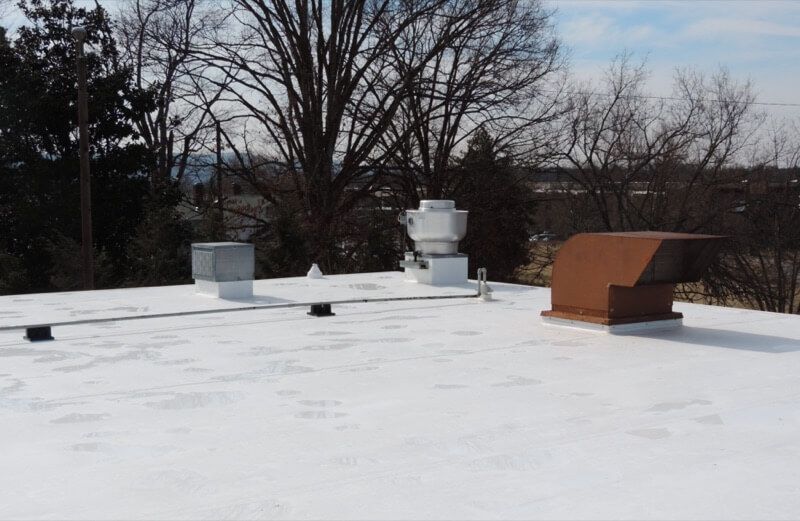
Commercial roof systems like TPO or PVC use specialized flashing methods around penetrations and edges, often involving membrane detailing and heat-welding.
How to Identify Roof Flashing Issues
Flashing issues often show up in predictable ways. Some signs are visible from the ground, and others appear inside your home or attic.
Exterior Signs of Flashing Problems
Look for:
- Rust, corrosion, or staining around flashing
- Loose flashing sections that appear lifted
- Cracked sealant or missing caulk around flashing edges
- Bent or damaged metal near chimneys or roof transitions
- Missing shingles near flashing areas, indicating wind-lift risk
- Exposed nail heads or fasteners near flashing
- Valley areas with debris buildup or visible deterioration
If you have a metal roof, look for separation at flashing seams, loose trim, or missing closures near ridges and walls.
Interior Signs of Flashing Problems
Inside the home, flashing failures often cause:
- Water stains on ceilings or upper walls
- Damp insulation in the attic near a chimney or vent
- Mold or mildew smell in attic spaces
- Drips around skylights during rain
- Peeling paint or bubbling drywall near rooflines
- Wet rafters or darkened wood near a penetration
Many homeowners assume these signs mean the shingles are failing. In reality, flashing is frequently the root cause.
If you are seeing these symptoms, it helps to understand the broader context of roofing issues. RC Roofing LLC explains additional warning signs in common roofing problems and how to fix them.
The Most Common Flashing Problems and What Causes Them
Flashing problems usually come from one of a few root causes.
Poor Installation
Incorrect flashing installation is one of the leading causes of roof leaks. Common mistakes include:
- Using continuous flashing instead of step flashing where required
- Incorrect overlap direction that traps water
- Nailing flashing in locations that create leak points
- Skipping underlayment integration
- Improper chimney flashing design
- Using low-grade sealants as a substitute for proper flashing
Age and Weather Exposure
Flashing experiences constant expansion and contraction due to temperature changes. Over time, metal can fatigue, and sealants can crack.
Wind-driven rain and storms also put stress on flashing edges, especially at chimneys and roof-to-wall intersections.
Corrosion and Material Breakdown
In humid environments, corrosion can occur, especially if flashing was not properly coated or if different metals were installed together, which can cause galvanic corrosion.
Physical Damage
Falling branches, foot traffic, or ladder placement can bend flashing. Even small bending can create gaps that allow water in.
Roof Movement and Settlement
Over time, homes settle. Roof framing shifts slightly. That movement can stress flashing joints, especially around chimneys and dormers.
Why Flashing Leaks Often Get Worse Fast
A flashing leak can start small, but water spreads quickly in roof assemblies. Once water enters behind flashing, it can soak decking and insulation and then travel along rafters before dripping into visible areas.
This leads to:
- Hidden wood rot
- Mold growth in insulation
- Compromised roof decking that cannot hold nails well
- Higher repair costs because the damage spreads beyond the initial entry point
If you suspect a leak, it is important to act quickly. RC Roofing LLC explains the risks of delay in the dangers of ignoring a roof leak.
How Roofers Diagnose Flashing Issues
Professional roofers do more than look at the stain inside your home. They trace water entry to the true source.
A professional diagnosis typically includes:
- Inspecting flashing seams and overlaps
- Checking for nail pops and exposed fasteners near flashing
- Evaluating underlayment condition around transitions
- Inspecting chimney joints and mortar condition
- Looking for gaps at roof-to-wall intersections
- Checking for debris buildup in valleys
- Inspecting attic spaces for moisture patterns
This systematic approach is what prevents misdiagnosis and recurring leaks.
Can You Fix Flashing Issues Yourself?
Homeowners often attempt to fix flashing leaks with caulk or roofing cement. This can be tempting because it feels fast. However, these repairs rarely last and can sometimes make the problem worse.
DIY patching risks include:
- Sealing water inside the assembly rather than directing it out
- Using incompatible sealants that fail quickly
- Creating new leak points by disturbing shingles or flashing
- Masking underlying damage that continues to rot the decking
- Voiding warranties if materials are altered improperly
RC Roofing LLC addresses this issue in detail in why DIY roof repairs can cost you more.
For most flashing problems, professional repair is the safer and more cost-effective option.
How Flashing Issues Are Fixed Correctly
The correct fix depends on the flashing type and severity of damage.
Re-sealing Small Gaps (Limited Situations)
If the flashing is intact and properly installed but has minor sealant cracking, a professional may clean and re-seal the area using appropriate materials. This is typically limited to certain areas and should never be used as the primary fix for poor flashing design.
Replacing Damaged Flashing
If flashing is rusted, bent, or improperly installed, replacement is often required. This may involve:
- Removing surrounding shingles or panels
- Installing new step flashing or counter flashing
- Ensuring correct overlap and integration with underlayment
- Reinstalling shingles correctly
Chimney Flashing Repair
Chimneys often require step flashing and counter flashing working together. Proper chimney flashing repair may involve:
- Replacing step flashing layers
- Installing new counter flashing embedded into mortar joints
- Repointing mortar if joints are deteriorated
- Ensuring a watertight seal without relying on surface caulk alone
Valley Flashing Repair
Valleys handle large water volume. Repair may involve:
- Clearing debris and inspecting valley lining
- Replacing damaged valley flashing or underlayment
- Reinstalling shingles with correct cut lines and sealing
Vent Boot Replacement
Rubber vent boots can crack with age. Replacing a vent boot typically involves removing surrounding shingles, installing a new boot, and resealing properly.
How Preventive Maintenance Reduces Flashing Problems
Flashing problems are easier and cheaper to fix when caught early. Regular inspections allow roofers to spot minor flashing separation, corrosion, or sealant failure before water enters the home.
Preventive maintenance steps include:
- Annual roof inspections
- Post-storm inspections after high wind events
- Clearing debris from valleys and roof edges
- Keeping gutters clean so water does not back up under roof edges
- Checking attic spaces for moisture indicators
If you want a full maintenance strategy, RC Roofing LLC provides a complete checklist in the ultimate guide to roof maintenance.
When Flashing Problems Suggest a Bigger Roofing Issue
Sometimes flashing repairs are not enough because the overall roof system is aging.
You may be approaching replacement if:
- Flashing repairs are frequent and recurring
- Shingles are brittle, curled, or near end-of-life
- Multiple leak points appear over time
- Decking shows soft spots and rot
- The roof is nearing typical lifespan
If replacement is on the table, it helps to understand the process and preparation. RC Roofing LLC explains planning steps in how to prepare for a roof replacement and details the job timeline in what to expect during a roof replacement.
Why RC Roofing LLC Is the Best Option for Flashing Repairs
Flashing repair is not a job for shortcuts. The repair must integrate correctly with shingles, underlayment, and roof transitions. A professional roofing contractor like RC Roofing LLC provides:
- Accurate diagnosis of leak sources
- Proper flashing design and installation methods
- High-quality materials suited to East Tennessee weather
- Repairs that address root causes, not symptoms
- Documentation and clear recommendations for long-term roof health
If you are seeing signs of flashing failure or roof leaks, the best next step is a professional inspection. You can request an evaluation here: request a roof inspection and quote from RC Roofing LLC.
If you want to explore service options, start with:
Final Thoughts: Fix Flashing Issues Before Water Damage Spreads
Roof flashing issues are one of the most common causes of roof leaks. They often start small but can cause major damage if ignored. The key is early identification, proper repair, and ongoing maintenance.
To protect your roof from flashing leaks:
- Watch for exterior signs like rust, lifted metal, and cracked sealant
- Pay attention to interior clues like stains, attic moisture, and musty odors
- Avoid DIY patching that can trap water and hide damage
- Schedule professional inspections and repairs to address root causes
- Maintain gutters, valleys, and flashing transitions year-round
If you suspect flashing issues, a professional inspection from RC Roofing LLC can help prevent bigger damage and protect your home long-term.
Start here: request a roof inspection and quote.