How to Stop Roof Algae Stains in Humid Climates
If you live in a humid climate, you have probably seen it. Dark streaks running down a roof, usually starting near the ridge and spreading in uneven lines. Many homeowners assume those streaks are dirt, soot, or mold. In most cases, they are caused by roof algae, and humid climates create the perfect conditions for it to thrive.
Roof algae stains are common in places like East Tennessee, where warm summers, high humidity, and frequent rainfall keep roofs damp for long stretches. While algae stains are usually more of a cosmetic problem than an immediate structural threat, they can still reduce curb appeal, shorten the life of some roofing materials, and make homeowners worry about hidden roof damage. The good news is that you can prevent algae growth and remove existing stains safely with the right approach.
This article explains what roof algae is, why it appears in humid climates, how to stop it from spreading, and how a professional roofing contractor like RC Roofing LLC can help you protect your roof long term.
What Causes Roof Algae Stains?
Most roof algae stains are caused by a type of airborne algae known as Gloeocapsa magma. This algae lands on roofs, especially in humid regions, and grows in streaks as it feeds on microscopic surface materials and remains damp after rain.
Algae stains tend to look like:
- Dark brown or black streaks
- Vertical lines that follow water runoff patterns
- Stains that begin near the ridge and spread downward
Algae is different from moss and lichen:
- Algae: Thin streaks, primarily cosmetic, spreads quickly in warm humidity
- Moss: Green, fuzzy growth that holds moisture and can damage shingles
- Lichen: Crusty, plant-like growth that can bond to roofing surfaces and be harder to remove
In humid climates, algae is often the first visible sign of moisture staying on the roof longer than it should.
Why Humid Climates Make Algae Worse
Humidity plays a huge role in roof algae growth. Algae needs moisture to survive and spread. When humidity is high, roofs dry more slowly after rain, morning dew, or shaded conditions.
Common humid-climate factors that increase algae staining include:
- Frequent rainfall and damp air
- Morning dew that lingers on roof surfaces
- Shade from trees or nearby structures
- Roof orientations that get less direct sun, such as north-facing slopes
- Poor attic ventilation that can contribute to roof surface temperature patterns
- Clogged gutters that cause water to overflow and dampen roof edges
If your roof stays damp for longer periods, algae has more opportunity to grow.
Is Roof Algae Harmful or Just Cosmetic?
In many cases, algae stains are primarily cosmetic. They usually do not cause immediate roof leaks the way broken shingles or flashing failures can. However, algae growth can still create problems over time.
Potential downsides include:
- Reduced curb appeal and resale appearance
- Increased heat absorption on dark-stained areas in sunny weather
- Accelerated aging on shingles that hold more heat and moisture
- Increased chance of moss growth since algae often indicates persistent dampness
- Higher likelihood of homeowners missing real damage because the roof looks “dirty” overall
If you are unsure whether roof staining is algae or something more serious, it is smart to schedule a professional inspection. If the stains are accompanied by lifted shingles, soft decking, or leaks, the problem may go beyond algae.
For broader warning signs, review common roofing problems and how to fix them.
How to Identify Roof Algae vs Other Roof Stains
Before you clean anything, you should confirm what you are dealing with.
Signs it is algae
- Dark streaks that run vertically with water flow
- More visible on shaded roof sections
- Appears mostly on asphalt shingles
- Stains may lighten slightly during dry seasons but return in humidity
Signs it may be mold inside the attic
- Stains accompanied by musty odors indoors
- Visible moisture in attic insulation
- Dark spotting on the underside of roof decking
If you suspect attic moisture issues, ventilation and insulation may need attention, since trapped moisture can create conditions for internal mold.
Signs it is moss
- Green, thick growth that can lift shingles
- Often grows near valleys or shaded areas
- Holds moisture against roofing materials
Moss is more physically damaging than algae and should be handled carefully.
Best Ways to Stop Roof Algae Stains in Humid Climates
Stopping algae requires preventing the conditions that allow it to grow and removing existing buildup safely.
1. Trim Back Overhanging Trees and Reduce Shade
Shade is one of the biggest drivers of algae stains because shaded roofs stay damp longer. If branches hang over your roof, you also get more debris buildup, which holds moisture.
Steps to take:
- Trim branches back so sunlight reaches the roof surface
- Remove limbs that rub against shingles in wind
- Reduce leaf and pine needle accumulation in valleys
If you cannot eliminate shade completely, you can still reduce it enough to improve drying time.
2. Keep Gutters Clean and Drainage Flowing
Overflowing gutters can keep roof edges wet and create an environment where algae and moss spread more easily.
A strong gutter routine includes:
- Clearing leaves and debris at least twice a year
- Making sure downspouts discharge properly
- Checking for sagging sections that trap water
3. Improve Attic Ventilation
Attic ventilation does not directly stop algae, but it helps your roof system manage moisture and temperature more effectively. In humid climates, ventilation reduces attic moisture that can contribute to roof system stress and uneven drying.
If your attic has:
- Excessive heat buildup
- Condensation or damp insulation
- Musty odors
It may be time for a ventilation assessment. Balanced ventilation supports overall roof health, which helps reduce the moisture patterns that contribute to staining.
4. Install Algae-Resistant Shingles When Replacing Your Roof
If your roof is nearing the end of its lifespan, choosing algae-resistant shingles during replacement is one of the best long-term solutions.
Algae-resistant shingles typically include copper-infused granules that inhibit algae growth. They do not make algae impossible, but they can dramatically slow staining, especially in humid climates.
If you are planning a replacement and want to understand timing and process, review what to expect during a roof replacement.
5. Use Zinc or Copper Strips as a Long-Term Prevention Tool
Many homeowners in humid regions use zinc or copper strips installed near the ridge. When rainwater runs over these metals, it carries trace amounts down the roof that can inhibit algae growth.
Important notes:
- Strips must be installed correctly to avoid leaks
- Results take time and depend on roof slope and rainfall patterns
- It is best done by a professional roofer to avoid flashing damage
This can be an effective tool for roofs that repeatedly develop algae stains.
How to Remove Roof Algae Stains Safely
If algae stains are already present, cleaning can restore appearance. The key is to avoid damaging shingles.
What not to do
- Do not pressure wash asphalt shingles. Pressure washing can strip protective granules and shorten roof lifespan.
- Do not use harsh chlorine concentrations that can damage landscaping and roofing components.
- Do not scrape shingles aggressively, which can remove granules and expose the base layer.
- Do not walk on steep roofs without safety training, especially when wet.
The safest general approach
Many professionals use a gentle cleaning method that involves applying a roof-safe solution and allowing it to rinse naturally over time. This avoids aggressive scrubbing and reduces shingle damage risk.
Because chemical mixes and application methods vary, it is best to have a professional roofer evaluate the safest cleaning option for your specific roof type and condition.
If your roof is already aging or fragile, improper cleaning can create leaks or accelerate wear, leading to costly repairs. For a clear explanation of why DIY roof work often backfires, review why DIY roof repairs can cost you more.
When Algae Stains Signal a Bigger Roof Issue
Algae itself may be cosmetic, but it can also indicate that your roof is staying wet longer than it should. In humid climates, that sometimes points to broader issues.
You may need a professional inspection if:
- Stains are paired with moss growth, especially in valleys
- Shingles are curling, lifting, or losing granules
- Gutters are overflowing and wetting roof edges
- You see interior ceiling stains or attic moisture
- Roof ventilation is poor and the attic feels damp
If you have any signs of leaks, address them quickly. A small leak can spread fast in humid environments.
Best Preventive Maintenance Habits for Humid Regions
Preventing algae stains long-term is easier when your roof maintenance routine supports drying and moisture control.
A simple routine includes:
- Cleaning gutters in spring and fall
- Removing roof debris after storms
- Trimming trees to reduce shade and debris
- Scheduling annual roof inspections
- Monitoring attic ventilation and moisture levels
- Addressing flashing issues promptly to avoid leaks
For a complete roof care checklist, use the ultimate guide to roof maintenance.
How Roofing Material Choice Affects Algae Staining
Some roofing materials are more prone to algae staining than others.
Asphalt shingles
Most algae staining occurs on asphalt shingles, especially if they do not include algae-resistant granules.
Metal roofing
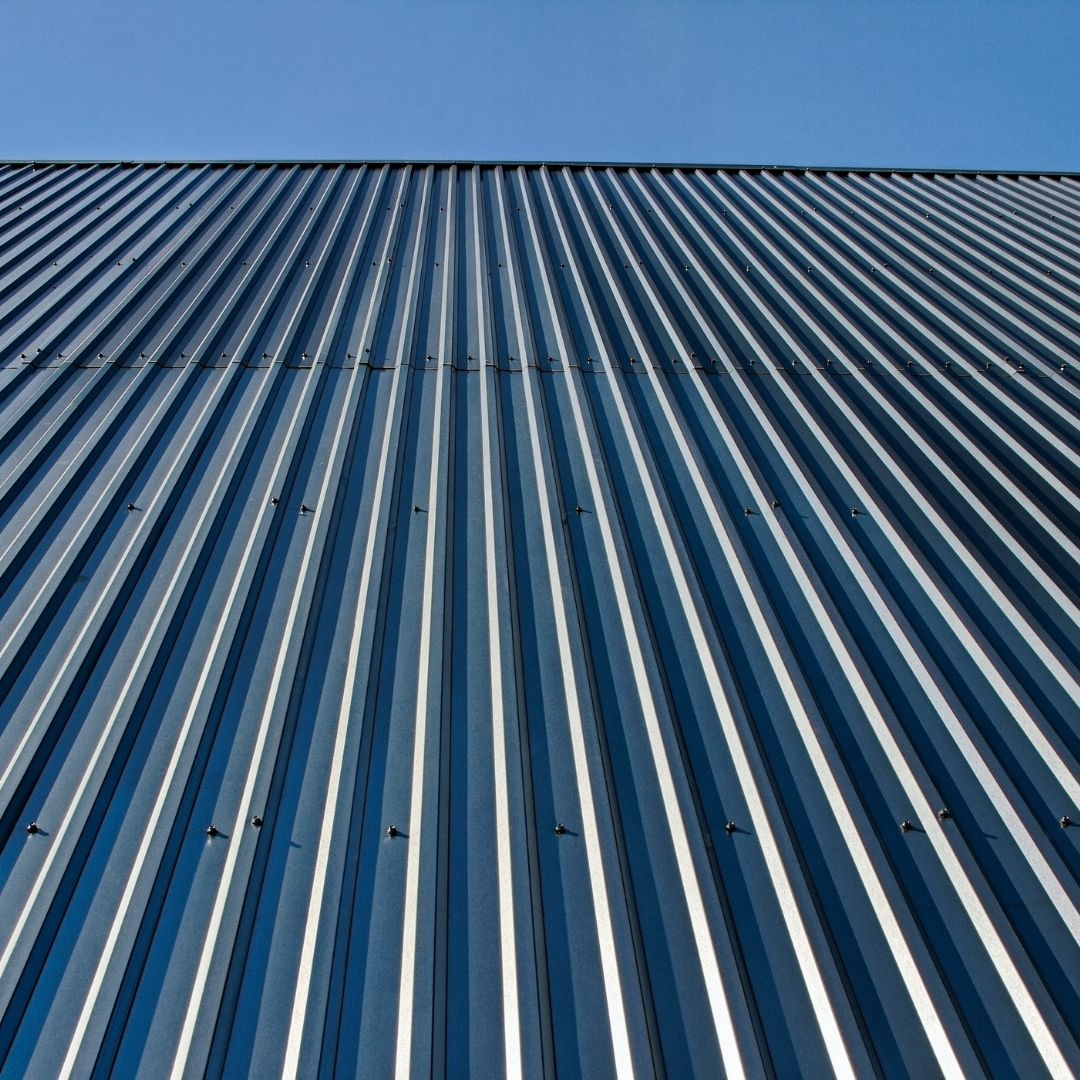
Metal roofs generally do not develop algae streaks the same way shingles do, although debris buildup and shade can still create staining or moss issues in certain conditions.
Low-slope commercial membranes
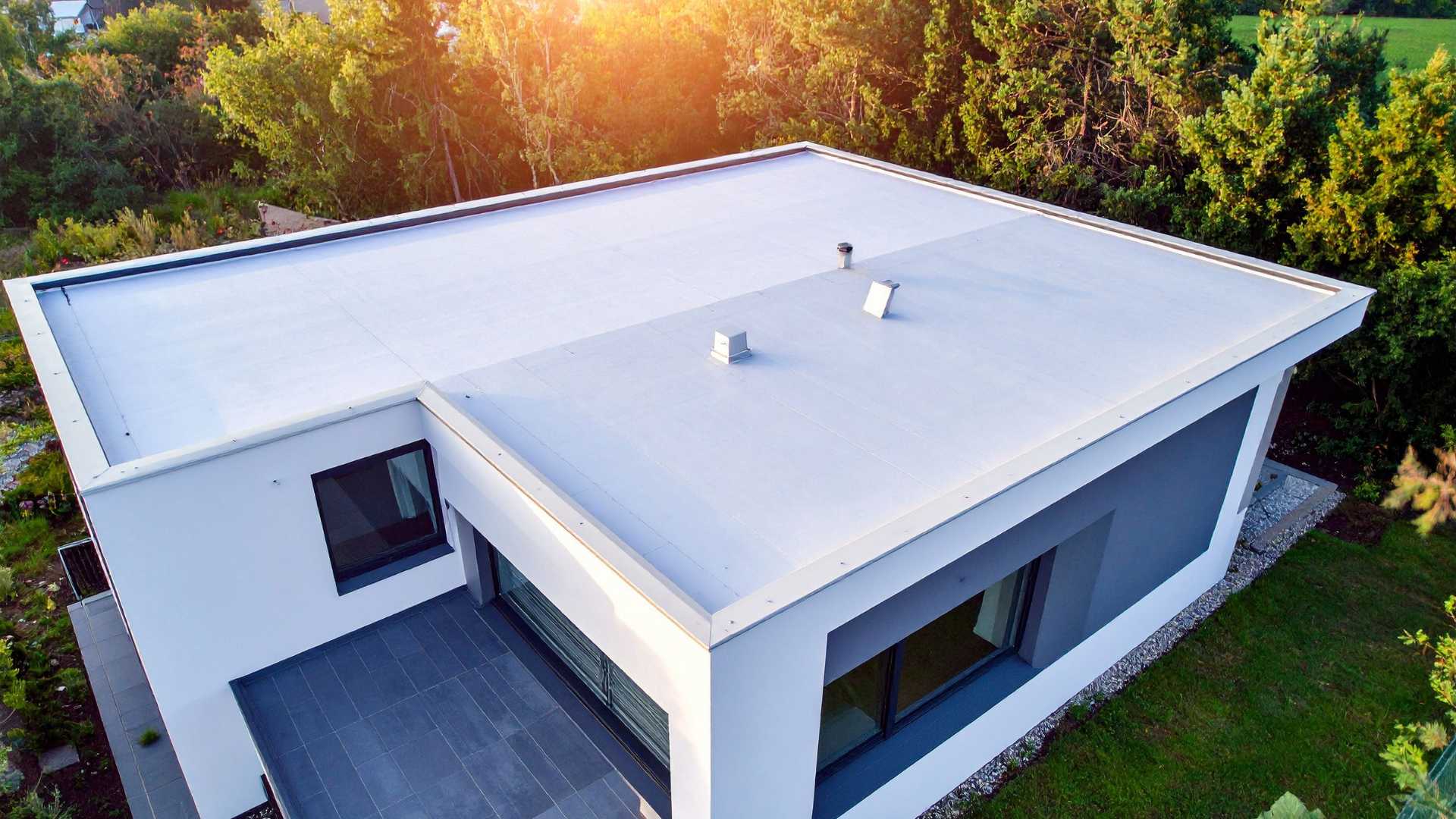
TPO and PVC systems are less likely to show algae streaks like shingles, but they can still accumulate dirt and biological growth if drainage is poor.
Why Professional Help Often Saves Time and Protects Your Roof
Roof algae removal and prevention seem simple, but it is easy to damage a roof by using the wrong cleaning method or walking on shingles unsafely. A professional roofing contractor can:
- Confirm whether stains are algae, moss, lichen, or another issue
- Recommend roof-safe cleaning options
- Identify drainage and ventilation issues that contribute to moisture buildup
- Suggest preventive solutions like algae-resistant shingles or metal strips
- Document roof condition and advise on repair needs
In humid climates, preventive strategy matters. Addressing the causes of roof dampness often does more than cleaning alone.
Why RC Roofing LLC Is the Best Option for Roof Inspections and Long-Term Protection
If you are dealing with roof algae stains in East Tennessee, the most reliable approach is to pair cleaning and prevention with a roof health evaluation. RC Roofing LLC helps homeowners and property managers identify root causes, correct vulnerabilities, and build a maintenance plan that protects roof performance long term.
If you want a professional inspection or advice on repair and replacement options, explore:
To schedule an inspection and get clear recommendations, start here: request a roof inspection and quote.
Final Thoughts: Stop Roof Algae by Reducing Moisture and Improving Prevention
In humid climates, roof algae stains are common, but they are also manageable. The best approach is to reduce roof dampness, improve drainage, and choose materials that resist algae growth over time.
Key steps to stop roof algae stains include:
- Reducing shade and debris buildup
- Keeping gutters clean and water moving off the roof
- Improving attic ventilation and moisture control
- Using algae-resistant shingles during replacement
- Considering zinc or copper strip solutions for long-term prevention
- Avoiding pressure washing and aggressive DIY cleaning that damages shingles
If you want a long-term solution rather than repeated cleanings, a professional inspection can help you identify why stains keep coming back and what upgrades will make the biggest difference. With the right plan, you can protect your roof, improve curb appeal, and avoid problems that humidity can quietly create.