Why Commercial Roofs Need Regular Inspections
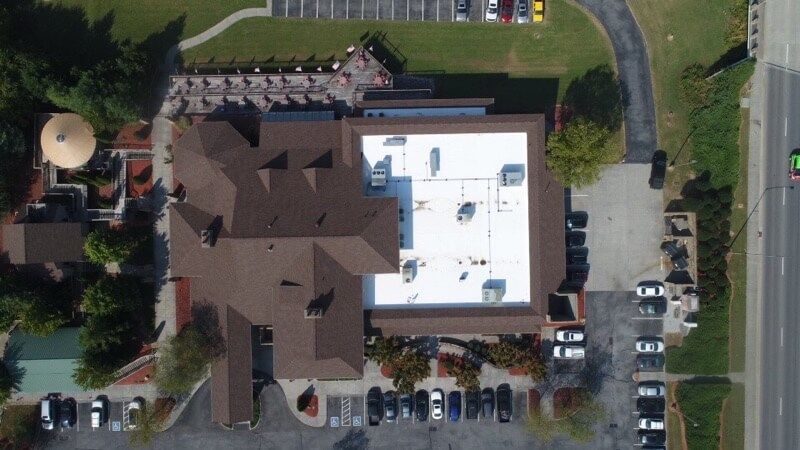
Commercial roofs are easy to ignore because you rarely see them up close. Unlike a residential roof you can view from the yard, many commercial roofs are flat or low-slope and out of sight. That “out of sight, out of mind” reality is one of the biggest reasons commercial properties develop expensive roof problems. By the time a leak becomes visible inside the building, water has often been infiltrating insulation, decking, and structural components for weeks or months.
Regular commercial roof inspections help prevent that scenario. They catch small issues before they turn into major failures, protect your building and inventory, and extend the service life of your roofing system. They also support documentation for warranties and insurance, reduce downtime risk, and help you budget for repairs or replacement at the right time.
In this article, we will explain why commercial roofs need regular inspections, what a professional inspection includes, how inspections reduce long-term costs, and why partnering with a contractor like RC Roofing LLC is the best way to protect your East Tennessee commercial property.
Commercial Roofs Face Different Risks Than Residential Roofs
Commercial roofs are not just bigger versions of residential roofs. They behave differently, wear differently, and fail differently.
Common commercial roof characteristics include:
- Flat or low-slope design that holds water longer
- Large surface area exposed to sun and storms
- Multiple penetrations from HVAC units, vents, drains, and rooftop equipment
- More foot traffic from maintenance crews and vendors
- Drainage systems that clog with leaves and debris
- Membrane seams that require specialized attention
These factors increase the likelihood of leaks and accelerate wear. That is why regular inspections are not optional for many commercial properties. They are part of responsible building management.
If you manage a facility in East Tennessee and want a professional partner for roof inspections, repairs, and replacement planning, RC Roofing LLC provides full service support through commercial roofing services in East Tennessee.
Inspections Catch Small Problems Before They Become Big Leaks
The most practical reason for regular inspections is that commercial roof problems usually start small.
Examples include:
- A small puncture in a membrane from foot traffic
- A seam that begins to separate slightly
- Sealant failure around a vent or pipe penetration
- A drain that clogs and causes water to pool
- Loose flashing at roof edges
- Minor storm damage that is not visible from the ground
Any one of these issues can lead to water infiltration. Once water gets into insulation, it spreads laterally and becomes difficult to locate. That is when you face the costly combination of leak repairs and interior remediation.
A routine inspection identifies these weak points early, when repairs are simpler and far less expensive.
Commercial Roof Leaks Can Shut Down Operations
For many businesses, the cost of a roof leak is not just the repair. It is the operational disruption.
Roof leaks can lead to:
- Damaged inventory and equipment
- Slippery floors and safety hazards
- Mold risk that affects indoor air quality
- Damage to electrical systems and lighting
- Customer experience issues in retail spaces
- Production downtime in warehouses and industrial facilities
- Tenant complaints and lease conflicts in multi-unit properties
Regular inspections reduce the chance of emergency leaks and help you plan repairs during off-hours or low-traffic periods.
Routine Inspections Extend the Life of the Roof System
Commercial roofing systems are designed to last, but only if they are maintained. Without inspections, small issues accumulate until the system fails prematurely.
Inspections help extend roof life by:
- Catching seam separation early
- Repairing punctures and scuffs before they widen
- Restoring failing sealants and flashing
- Reducing standing water issues through drainage maintenance
- Preventing moisture saturation in insulation
- Identifying areas of accelerated wear before system failure
Extending roof life even by a few years can deliver significant financial value for commercial property owners.
For broader maintenance strategies that apply to many roof types, RC Roofing LLC explains practical steps in the ultimate guide to roof maintenance.
Commercial Roof Inspections Help Protect Roof Warranties
Many commercial roofing systems come with manufacturer warranties. Those warranties often require:
- Regular documented inspections
- Proper maintenance and repairs
- Use of approved materials and methods
- Timely response to any identified issues
If you skip inspections and maintenance, you may risk losing warranty protection, especially if damage is traced to neglect or unaddressed issues.
A professional inspection program provides documentation that helps preserve warranty eligibility and supports warranty claims if a covered defect occurs.
Inspections Help With Insurance and Risk Management
Commercial insurance carriers evaluate risk. A roof that is poorly maintained increases the likelihood of claims and costly losses.
Inspections support risk management by:
- Documenting roof condition for underwriting or renewals
- Identifying storm damage early to avoid secondary losses
- Reducing the chances of interior water damage claims
- Supporting claim documentation when storm events occur
- Helping prevent damage that insurers may classify as neglect
Even if your insurer does not offer direct discounts, reducing claims and improving documentation can improve long-term insurance outcomes.
Flat Roof Drainage Problems Are One of the Biggest Leak Drivers
Many commercial roofs are flat or low-slope, and drainage is critical. Standing water, often called ponding, can degrade roofing systems faster and increase leak risk.
Drainage issues often come from:
- Clogged drains, scuppers, or downspouts
- Debris buildup in valleys and corners
- Improper slope or settling areas
- Blocked gutters or drainage channels
- Roof membrane defects that trap water
Inspections keep drainage systems clean and functioning. They also identify ponding patterns that might indicate a need for additional drains or slope correction.
For property owners with low-slope roof types, RC Roofing LLC shares helpful guidance in the best roofing options for flat roofs.
Rooftop Equipment Adds Penetrations and Leak Risk
Commercial roofs frequently include:
- HVAC units and curbs
- Exhaust vents
- Plumbing penetrations
- Electrical conduits
- Skylights and smoke hatches
- Satellite and communication equipment
Every penetration is a potential leak point if flashing or sealant fails. Equipment maintenance crews also create foot traffic that can puncture membranes or loosen seals.
Regular inspections check:
- Equipment curbs and flashing integrity
- Sealant condition around penetrations
- Signs of movement or vibration damage
- Membrane scuffs or punctures near equipment pathways
This is one of the most important inspection areas because small failures around penetrations often cause persistent leaks.
Storm Damage on Commercial Roofs Is Often Hidden
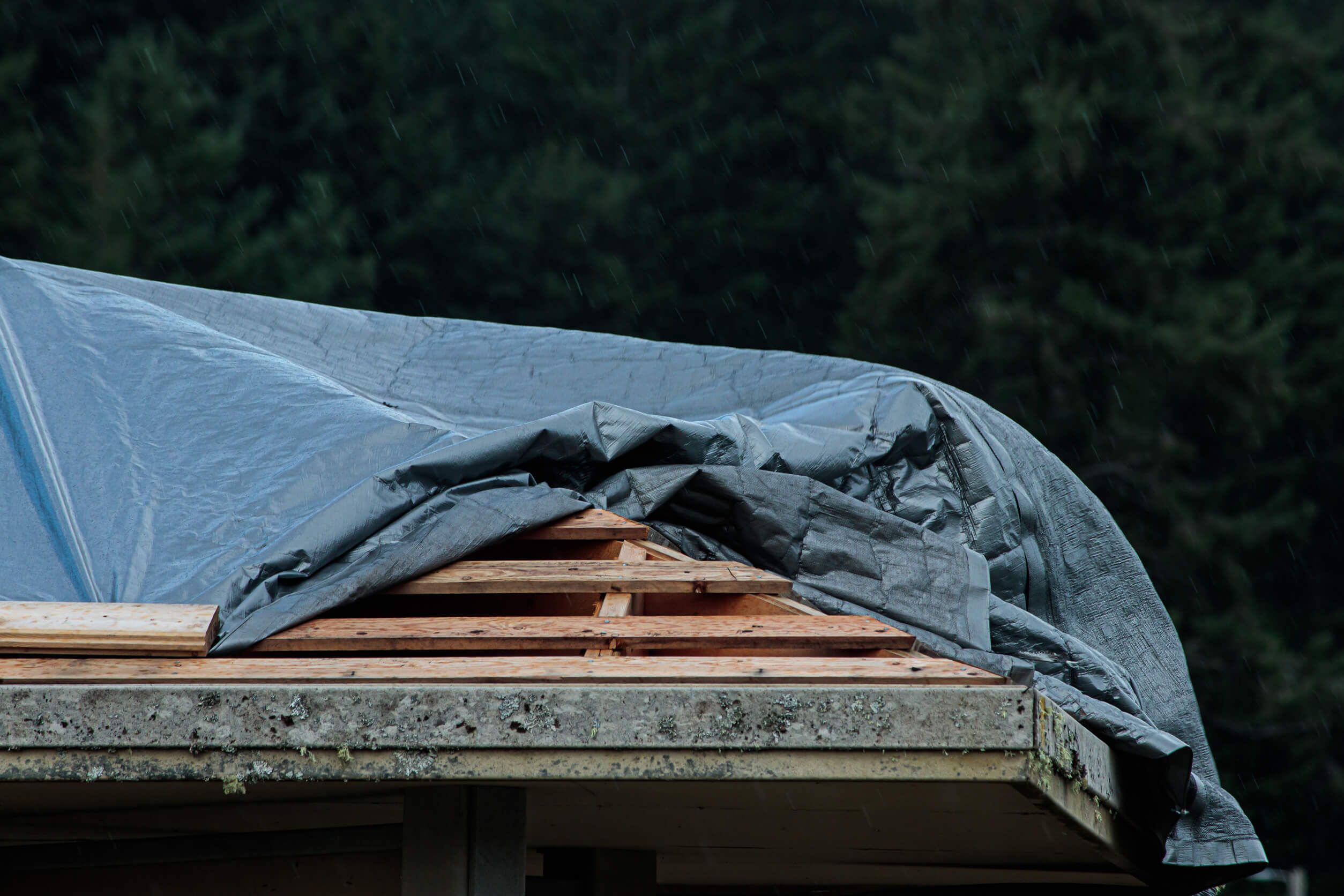
Commercial roofs can absorb storm damage that is not obvious. Wind can lift membrane edges or peel back flashing slightly. Hail can bruise membranes or damage roof coatings. Debris can puncture surfaces or clog drains.
A post-storm inspection helps identify:
- Punctures and tears
- Loose edge metal
- Lifted membrane sections
- Damaged flashing and seams
- Drain clogs and ponding risk
- Impact damage around HVAC units and vents
Catching this damage early helps prevent leaks and supports insurance documentation if needed.
If storm protection is a priority, review strategies in how to protect your roof from storm damage.
Inspection Frequency: How Often Should Commercial Roofs Be Checked?
Most commercial properties benefit from inspections at least twice per year, plus additional inspections after severe weather.
A common schedule is:
- One inspection in spring
- One inspection in fall
- Post-storm inspections after high wind or hail events
- Additional inspections for roofs with heavy foot traffic or known issues
Properties with older roofs, frequent rooftop equipment access, or flat drainage challenges may need more frequent checks.
A roofing contractor can help tailor the schedule based on roof type, building use, and risk exposure.
What a Professional Commercial Roof Inspection Should Include
A meaningful commercial roof inspection is systematic. It should not be a quick walk across the surface without documentation.
A professional inspection typically includes:
Surface condition assessment
- Membrane integrity and wear patterns
- Punctures, cracks, and surface damage
- Seams, laps, and heat-welded joints
- Blisters, wrinkles, or areas of deterioration
Flashing and penetration checks
- HVAC curb flashing
- Pipe penetrations and vent boots
- Wall terminations and parapet transitions
- Skylight and hatch flashing
Drainage and edge details
- Drain and scupper condition
- Ponding areas and water flow patterns
- Gutter and downspout performance
- Edge metal condition and securement
Interior indicators
- Water stains, odors, or ceiling damage
- Attic or deck underside moisture signs
- Insulation saturation indicators
Documentation and recommendations
- Photos of issues
- Repair priority list
- Preventive maintenance recommendations
- Budget forecasting notes if replacement may be approaching
This level of detail is what supports planning and reduces surprises.
Why DIY or In-House Repairs Can Create Bigger Problems
Many commercial buildings have maintenance teams, and it can be tempting to handle roof fixes internally. The challenge is that commercial roof systems often require specialized materials and techniques. Incorrect repairs can void warranties and fail quickly.
Common problems with DIY commercial roof repairs include:
- Using incompatible sealants
- Covering moisture without addressing the source
- Creating weak points at seams or edges
- Trapping water under patches
- Missing underlying insulation saturation
- Damaging membranes during foot traffic or tool use
Professional commercial roofing contractors have the training to repair the system correctly and preserve warranty requirements.
Regular Inspections Help You Budget and Plan Roof Replacement
Commercial roof replacement is a major capital expense. Regular inspections help you plan it strategically instead of reacting to a crisis.
With inspection data over time, you can:
- Track roof aging and deterioration patterns
- Forecast when replacement will be needed
- Compare repair cost trends year over year
- Avoid emergency replacement pricing and rushed decisions
- Plan replacement timing around business operations
Why Work With RC Roofing LLC for Commercial Roof Inspections in East TN
Commercial roof inspections should be done by professionals who understand low-slope systems, drainage behavior, and how commercial roofs fail. RC Roofing LLC supports East Tennessee business owners and property managers with inspection programs, repairs, preventive maintenance, and long-term replacement planning.
By working with RC Roofing LLC, you gain:
- Experienced commercial roof inspection expertise
- Clear documentation and repair recommendations
- Help prioritizing repairs for budget control
- Support after storms and severe weather events
- Full service commercial roof repair and replacement options
To explore commercial services, visit commercial roofing services in East Tennessee. If you want to schedule an inspection, start here: request a commercial roof inspection and quote.
Final Thoughts: Regular Inspections Are the Most Cost-Effective Commercial Roof Strategy
Commercial roofs protect far more than a building envelope. They protect your operations, your tenants, your inventory, and your long-term investment. Regular inspections reduce risk, prevent expensive emergency repairs, and extend roof lifespan. They also support warranties, insurance documentation, and strategic budgeting.
If you manage a commercial property in East Tennessee, a professional inspection program is one of the best decisions you can make.
Schedule your commercial roof inspection with RC Roofing LLC here: request a roofing inspection and quote.