Hidden Fastener vs Screw-Down Metal Roof
If you are considering metal roofing for your home or business in East Tennessee, you will quickly run into two main options: hidden fastener metal roofing and screw-down metal roofing (also called exposed fastener). Both are popular, both can perform well in the right setting, and both can be installed in ways that look great. But they are not the same system, and the difference matters because it directly affects leak risk, maintenance needs, appearance, and long-term durability.
Many homeowners hear that “metal roofs last 50 years” and assume all metal roofs fall into that category. In reality, that long lifespan is most often associated with standing seam, hidden fastener systems, not screw-down roofs. Screw-down systems can still be a strong choice, especially for certain buildings and budgets, but they require a more realistic understanding of long-term upkeep.
This article will compare hidden fastener vs screw-down metal roofs in a practical, real-world way, explain where each system shines, and help you decide which is right for your project. When you are ready for a professional recommendation specific to your roof design and goals, RC Roofing LLC can help you choose the best system and install it correctly.
What Is a Hidden Fastener Metal Roof?
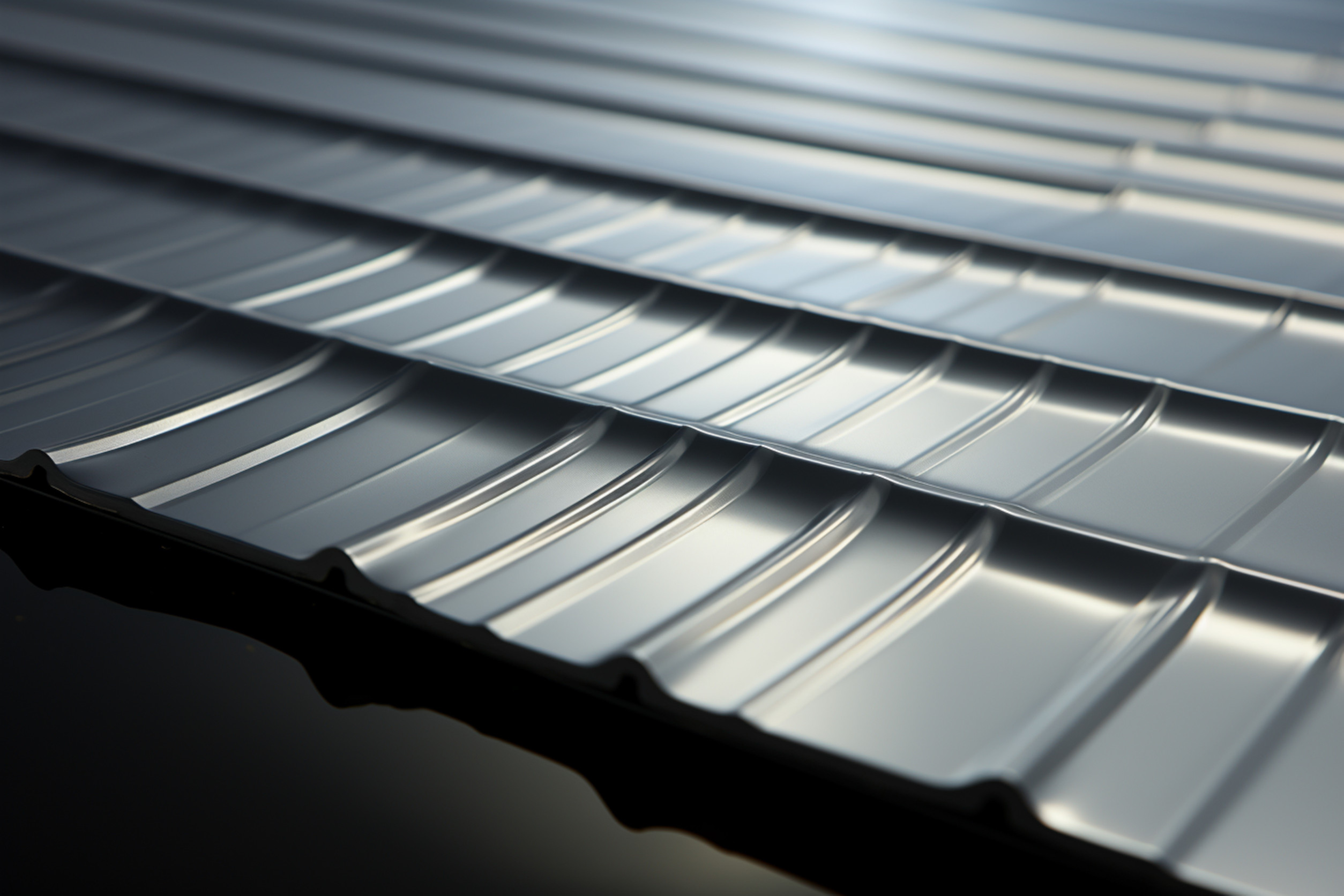
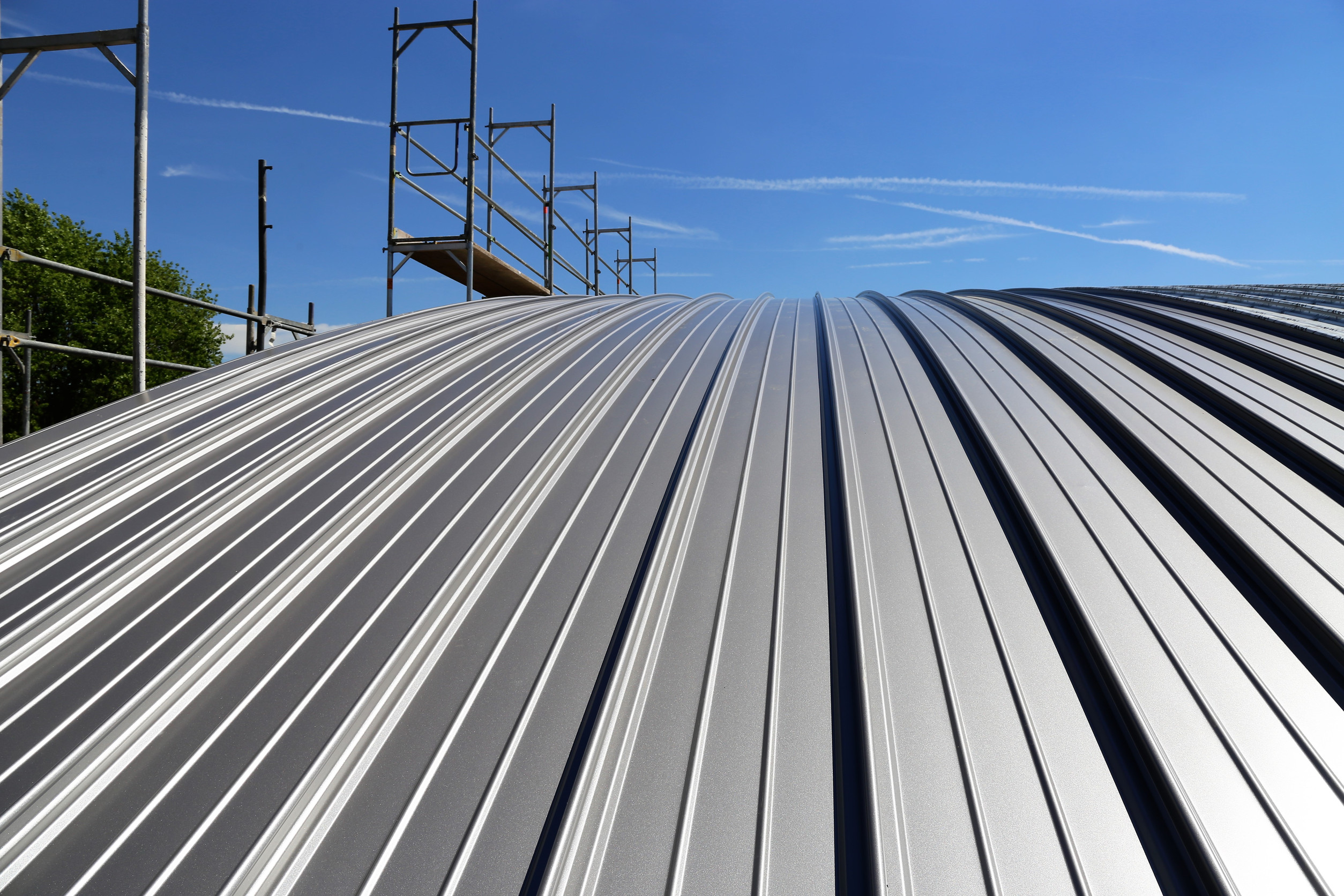
A hidden fastener metal roof is most commonly a standing seam system, where metal panels run vertically from the ridge to the eave and connect with raised seams. The key feature is that the screws and clips are concealed beneath the seams or panels, so the fasteners are protected from direct exposure to sun, rain, and temperature extremes.
Key characteristics of hidden fastener roofing
- Fasteners are concealed beneath seams or clips
- Seams are raised above the panel surface
- Panels are designed to manage thermal expansion and contraction
- Fewer exposed penetrations across the roof surface
- Clean, modern appearance with long straight panel lines
Hidden fastener systems are commonly used on:
- Residential homes seeking long-term value and premium appearance
- Commercial buildings needing low-maintenance performance
- Architectural projects where aesthetics matter
- Properties in areas with high wind or frequent storms
If you want to explore professional installation and local expertise, start with RC Roofing LLC’s page on metal roofing specialists serving East Tennessee.
What Is a Screw-Down Metal Roof?
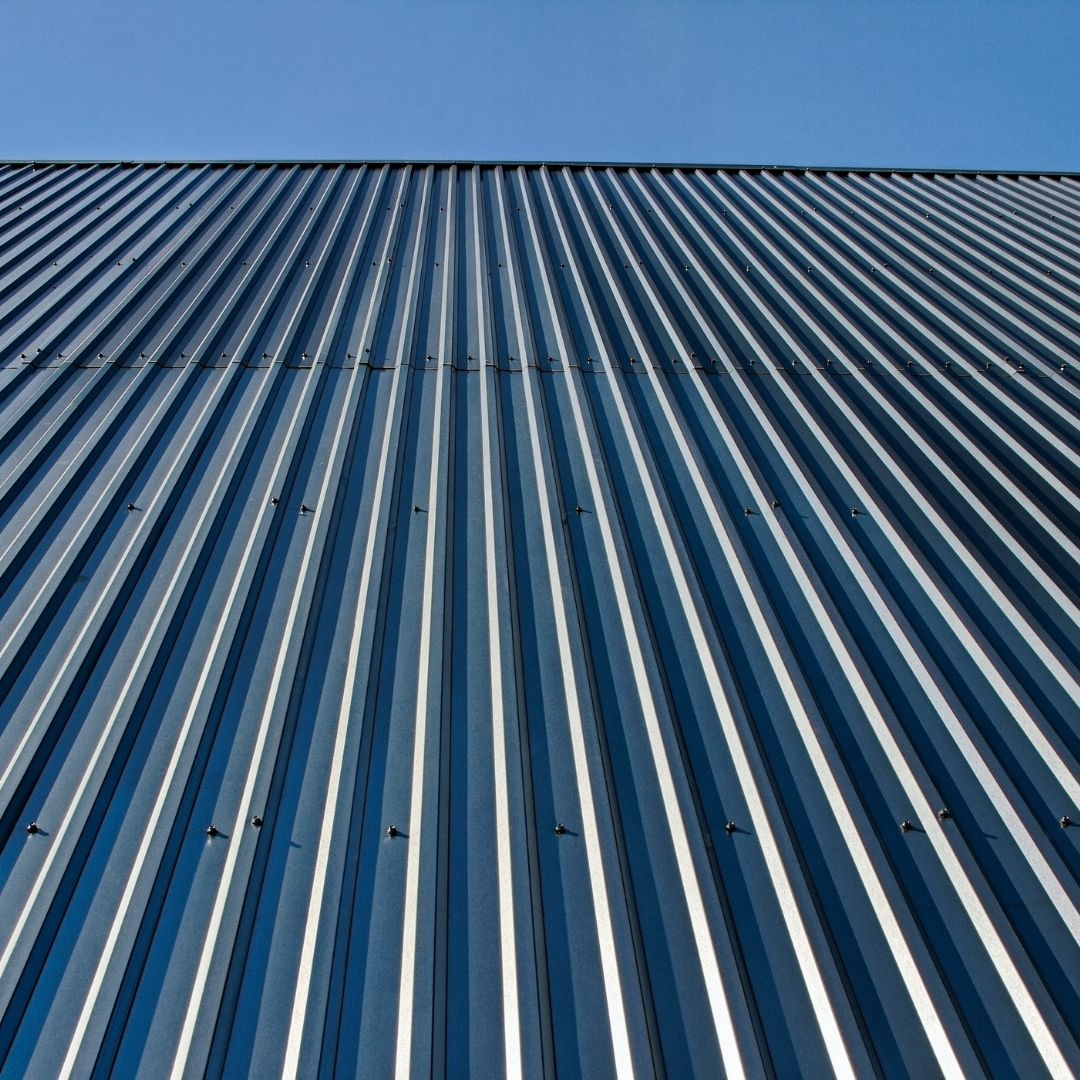
A screw-down metal roof uses overlapping metal panels that are fastened directly through the panel face into the roof deck or purlins with screws. Those screws include rubber washers designed to create a water seal around each fastener hole.
This is called an exposed fastener roof because you can see the screws across the panel surface.
Key characteristics of screw-down roofing
- Screws and washers are visible on the panel surface
- Each screw creates a roof penetration
- Panels overlap to shed water
- Typically lower upfront cost than standing seam
- Common on agricultural and light commercial buildings
Screw-down metal roofing is commonly used on:
- Barns, workshops, sheds, and garages
- Warehouses and certain commercial properties
- Budget-driven projects
- Roofs where appearance is less critical
Screw-down roofs can still look great, but they require an honest understanding of maintenance and expected lifespan.
The Core Difference: How Water and Weather Interact With Fasteners
The biggest difference between these systems comes down to this: Where are the fasteners, and what happens to them over time?
Hidden fastener systems
Fasteners are protected. They are not sitting in the sun. They are not exposed to UV breakdown. They are not constantly getting wet. This dramatically reduces one of the most common causes of metal roof leaks.
Screw-down systems
Fasteners are exposed. Rubber washers dry out and crack over time. Screws can loosen due to thermal cycling. Each exposed screw is a potential leak point if the washer fails or the screw backs out.
This does not mean screw-down roofs are “bad.” It means their long-term performance depends heavily on:
- Installation quality
- Fastener type and placement
- Ongoing inspection and maintenance
Lifespan Comparison: How Long Each Roof Type Lasts
Metal roofs are long-lasting, but not all metal roof systems share the same lifespan range.
Hidden fastener metal roof lifespan
A properly installed standing seam or hidden fastener roof often lasts 40 to 70 years. Many systems reach the upper end of that range when:
- Panels are properly installed to handle thermal movement
- Flashing details are done correctly
- Roof ventilation and underlayment are properly planned
- Routine inspections catch small issues early
Screw-down metal roof lifespan
A well-installed screw-down roof often lasts 20 to 30 years, and in some cases longer, but only with periodic maintenance. The primary limiter is the fastener system. Washers and screws typically require attention over time.
If a screw-down roof is neglected, leaks can develop much sooner than expected.
If you want a deeper overview of lifespan factors and maintenance realities, see the RC Roofing LLC article how long does a metal roof last.
Cost and Value: How to Think About the Investment
It is natural to compare the cost of hidden fastener vs screw-down metal roofing. In most cases:
- Hidden fastener roofs cost more upfront
- Screw-down roofs cost less upfront
But a better way to evaluate the decision is to consider total ownership value, including:
- Expected service life
- Maintenance requirements
- Likelihood of repairs
- Energy performance
- Aesthetic impact and resale appeal
Hidden fastener value profile
Hidden fastener roofs often deliver strong long-term value because:
- Maintenance is typically lower
- Leak risk is reduced
- Lifespan is longer
- Resale and curb appeal benefits can be higher
Screw-down value profile
Screw-down roofs can deliver strong value when:
- The building type fits the system
- The owner expects maintenance and plans for it
- The roof is installed with proper fasteners and spacing
- The project goal is lower upfront cost
The best choice is not just about price. It is about matching the roof type to the building and the owner’s expectations.
Maintenance Differences: What You Should Expect Over Time
Maintenance is one of the biggest decision points between these systems.
Hidden fastener maintenance
Hidden fastener metal roofs typically require:
- Periodic inspection of flashing and penetrations
- Clearing debris from valleys, gutters, and roof edges
- Checking for storm damage after major events
Because fasteners are protected, you usually do not face widespread screw maintenance.
Screw-down maintenance
Screw-down roofs typically require:
- Regular inspection of exposed screws and washers
- Replacement of fasteners and washers as they age
- Checking for screws backing out
- Monitoring for sealant failures at penetrations
- Addressing small leaks early before they spread
Fastener maintenance is not optional if you want the roof to reach its expected lifespan.
For general maintenance best practices that support roof longevity, see the ultimate guide to roof maintenance.
Leak Risk: Which System Is Less Likely to Leak?
Both systems can leak if installed poorly, but the leak pathways differ.
Hidden fastener leak risks
Leaks most commonly occur at:
- Flashing failures around chimneys, vents, and skylights
- Improper seam detailing or incorrect panel installation
- Poorly integrated underlayment
- Incorrect edge metal details
The roof surface itself has fewer penetration points, which helps reduce leak risk.
Screw-down leak risks
Leaks commonly occur at:
- Deteriorated washers and failed screw seals
- Screws backing out, creating gaps
- Incorrect screw placement or overdriven screws
- Panel overlap issues or improperly sealed laps
- Fastener corrosion in certain environments
A screw-down roof can stay watertight for many years, but it requires ongoing attention to the fastener system.
Appearance and Architectural Style
Aesthetic preference plays a big role in metal roof selection.
Hidden fastener appearance
Hidden fastener systems are often chosen for:
- Clean lines and modern design
- High-end residential curb appeal
- Architectural consistency on premium properties
The lack of visible screws creates a smooth, uniform look.
Screw-down appearance
Screw-down roofs have visible screws across the panel surface. Many property owners like the look, especially for:
- Rustic or agricultural-style buildings
- Workshops and barns
- Industrial and warehouse settings
Screw-down systems can still be attractive, especially with proper color selection and professional installation.
If you are choosing colors for a roof upgrade, you may also find value in choosing the best color for your new roof.
Performance in East Tennessee Weather
East Tennessee weather includes heavy rains, humidity, wind events, and temperature swings. Both systems can perform well here, but their strengths differ.
Hidden fastener advantages in storms
- Better long-term watertight performance due to protected fasteners
- Strong wind resistance when installed correctly
- Fewer entry points for wind-driven rain
Screw-down considerations in storms
- Panels can perform well in wind when properly fastened
- Fasteners must be maintained to prevent loosening and leaks
- Washers are exposed to UV and weather, which speeds aging
If storm protection is a priority, it helps to understand proactive steps beyond roofing material choice. See how to protect your roof from storm damage.
Best Use Cases for Each Metal Roof Type
This is where the decision becomes clearer. The “best” system depends on how the building is used.
Hidden fastener is often best for
- Primary residences where long-term performance matters
- High-end homes where curb appeal is a priority
- Commercial properties aiming for low maintenance
- Buildings where leaks would be costly or disruptive
- Owners planning to stay long-term and want maximum durability
Screw-down is often best for
- Barns, workshops, garages, and sheds
- Budget-focused projects where maintenance is acceptable
- Certain commercial buildings where periodic fastener service is planned
- Buildings where aesthetics are less critical than cost and function
Installation Quality Matters More Than Most People Expect
A metal roof is only as good as the crew installing it. Many premature failures happen because of:
- Incorrect flashing details
- Poor fastener placement or overdriving screws
- Incorrect underlayment or moisture management
- Improper seam and edge termination methods
- Inadequate ventilation planning
Choosing the right contractor is critical. If you want a checklist for vetting roofers, see how to choose the right roofing contractor.
Why RC Roofing LLC Is a Smart Partner for Metal Roofing
RC Roofing LLC installs and repairs metal roofing systems across East Tennessee and helps property owners choose the right system for their building, budget, and long-term goals. A professional evaluation ensures you understand:
- Which metal roof type fits your structure and roof pitch
- What maintenance to expect based on the system
- How flashing and ventilation impact long-term performance
- How to avoid costly mistakes during installation
To explore metal roofing expertise and service areas, visit metal roofing contractors serving East Tennessee.
If you are ready to discuss your project, start here: request a roof inspection and quote.
Final Thoughts: Hidden Fastener vs Screw-Down Metal Roof
If you want the longest lifespan and lowest long-term leak risk, hidden fastener metal roofing is usually the better choice, especially for primary homes and premium projects. It costs more upfront, but it tends to deliver stronger value over decades through reduced maintenance and longer service life.
Screw-down metal roofing can still be a solid choice for the right building and budget, especially when the owner understands that fasteners and washers will require maintenance over time. It can perform well, but it is not the same “set it and forget it” system as standing seam.
The best next step is a professional evaluation. Every building is different, and the right recommendation depends on roof pitch, design, exposure, and owner goals. RC Roofing LLC can help you choose the right metal roof system and install it properly so it performs the way it should.