How Long Does a Metal Roof Last?
Metal roofing has a strong reputation for durability, longevity, and weather resistance. But when homeowners ask, “How long does a metal roof last?” the real answer depends on the type of metal roof you install, how it is fastened, the quality of the installation, and how well it is maintained over time.
In East Tennessee, metal roofs can perform exceptionally well because they handle heavy rain, humidity, and wind better than many other roofing materials. However, not all metal roof systems have the same lifespan. A premium standing seam system can last decades longer than a lower-cost exposed fastener roof, and that difference matters when you are comparing value.
In this article, we will break down the typical lifespan of metal roofing, explain the two main metal roof types, highlight what causes metal roofs to fail early, and help you decide whether metal is the right long-term investment for your home or business. We will also explain why working with a professional roofing contractor like RC Roofing LLC is the best way to get the full lifespan you are paying for.
The Short Answer: Typical Metal Roof Lifespan Ranges
A properly installed metal roof can last anywhere from 20 to 70 years, depending on the system.
Here are the most common lifespan ranges:
- Standing seam or hidden fastener metal roof: 40 to 70 years
- Exposed fastener or screw-down metal roof: 20 to 30 years, sometimes less without maintenance
- Metal shingles or stone-coated steel: often 40 to 60 years depending on product and installation
These are general ranges. Some roofs exceed them, while others fail early due to poor installation, inadequate maintenance, or environmental factors.
The most important takeaway is this: the fastening system and installation quality often matter as much as the metal itself.
What Type of Metal Roof Do You Have?
When someone says “metal roof,” they might be talking about very different systems. To accurately estimate lifespan, you need to know which type you have or plan to install.
Standing Seam Metal Roofing (Hidden Fasteners)
Standing seam is the premium option for residential and commercial properties. Panels run vertically from ridge to eave, and seams are raised above the flat surface of the panel. Fasteners are hidden beneath the seams or clips, which protects them from constant exposure to rain and UV.
Why standing seam lasts longer:
- Fasteners are not exposed to weather
- Fewer penetration points for water
- Strong seam design for wind resistance
- Expansion and contraction are better managed
- Coatings and finishes are often higher quality
Expected lifespan: 40 to 70 years, sometimes longer with excellent installation and maintenance.
Standing seam is the metal roof type most people think of when they hear “a 50-year roof.”
If you want a deeper look at standing seam and why it is considered the best long-term system, review RC Roofing LLC’s resource page on best metal roofing contractors in Maryville and Townsend serving East TN.
Exposed Fastener Metal Roofing (Screw-Down Systems)
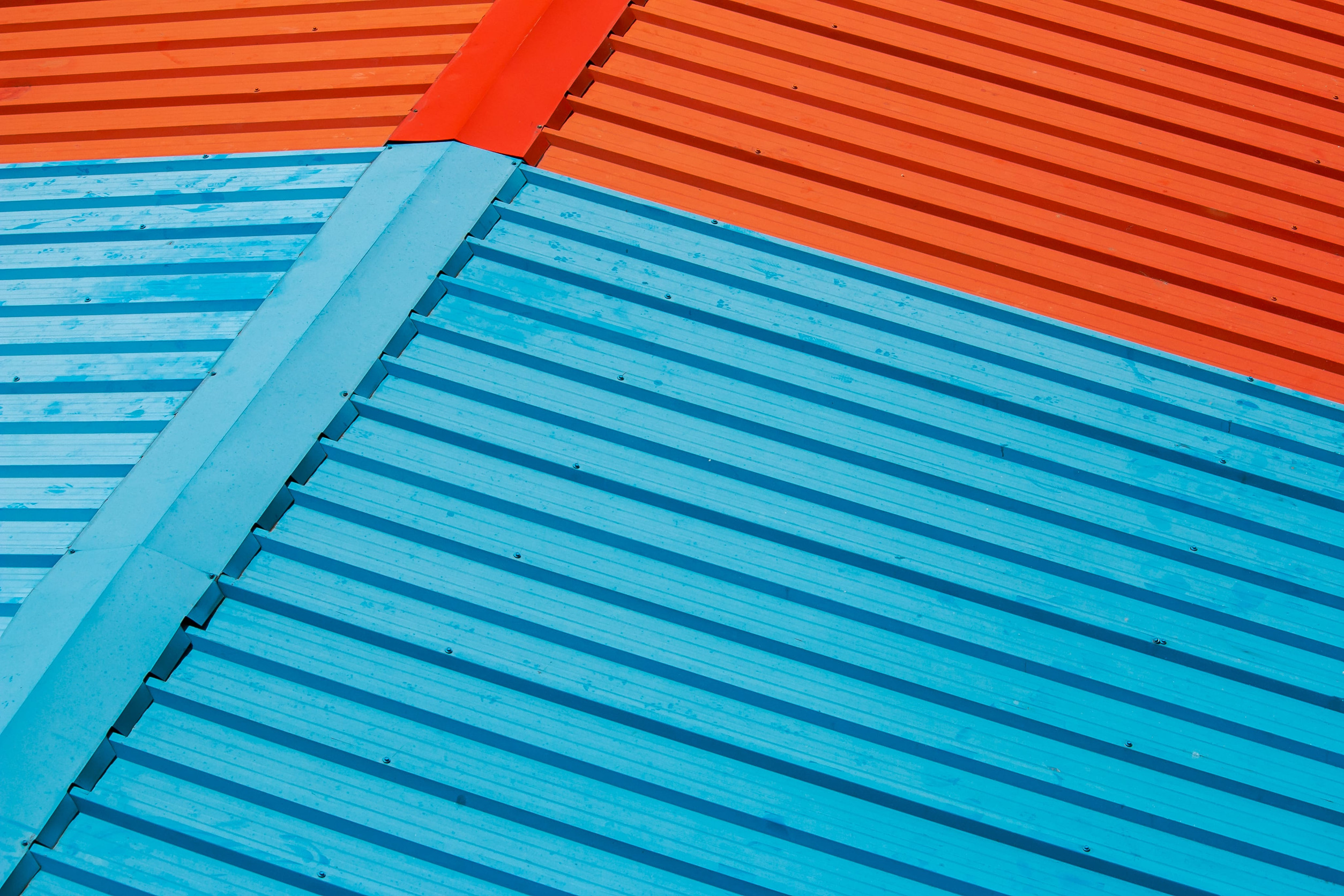
Exposed fastener metal is a common lower-cost system often used on barns, workshops, sheds, and some commercial buildings. The panels are screwed directly into the roof deck using fasteners with rubber washers. These washers create a seal around the screw hole.
Why exposed fastener roofs often do not last as long:
- Screws and rubber washers are exposed to sun, heat, and weather
- Washers dry out, crack, and lose seal integrity
- Screws can back out due to temperature cycling
- Each screw hole is a potential leak point over time
- Maintenance is required to replace fasteners and washers
Expected lifespan: Often 20 to 30 years, but performance depends heavily on maintenance and installation quality.
In real-world conditions, an exposed fastener roof can develop leak issues if fasteners are neglected, especially after years of expansion and contraction.
What About Metal Shingles and Stone-Coated Steel?
Metal roofing is not only panel systems. Metal shingles and stone-coated steel roofing provide a different look and can mimic slate, shake, or traditional shingles while offering metal durability.
Expected lifespan: Many products fall in the 40 to 60 year range, depending on quality, coating, and installation.
These systems can be an excellent choice for homeowners who want the durability of metal but prefer a more traditional appearance.
Key Factors That Determine How Long a Metal Roof Lasts
Even within the same roof type, lifespan varies. Here are the biggest factors that influence longevity.
1. Installation Quality
A metal roof is only as good as the way it is installed. Poor workmanship can cut decades off a roof’s life.
Common installation issues include:
- Incorrect flashing around chimneys, skylights, and valleys
- Improper underlayment selection
- Poor fastening patterns or incorrect fastener type
- Improper seam detailing or panel alignment
- Inadequate ventilation and moisture control
This is why choosing an experienced contractor matters. A professional roofing company like RC Roofing LLC helps ensure your system is installed to manufacturer requirements and built for long-term performance.
If you are comparing contractors, RC Roofing LLC shares practical tips in how to choose the right roofing contractor.
2. Roof Pitch and Design
Metal performs best on slopes that allow water to shed efficiently. Low-slope designs require special detailing to avoid water intrusion.
Complex roof shapes also increase the number of penetrations and flashing details, which can affect long-term performance.
3. Coating and Finish Quality
Metal roofs rely on protective coatings to resist:
- Rust and corrosion
- UV damage and fading
- Chalky residue on painted surfaces
Higher-end coatings generally last longer and protect the metal substrate better.
4. Weather and Environmental Exposure
East Tennessee weather includes humidity, frequent rain, and storm cycles. These conditions are manageable for metal roofs, but they require:
- Proper ventilation to reduce condensation
- Correct flashing to prevent wind-driven rain intrusion
- Regular inspection after storms
Coastal environments tend to be harder on metal due to salt exposure, but even inland moisture can contribute to corrosion if water is trapped.
5. Maintenance and Inspection Schedule
Metal roofs are often marketed as “maintenance free,” but no roof is truly maintenance free.
Metal roof maintenance usually includes:
- Checking fasteners on exposed fastener systems
- Inspecting flashing and sealants around penetrations
- Clearing debris from valleys and gutters
- Checking for panel movement or seam separation
- Inspecting coating condition
Regular inspections help catch issues early. For general roofing upkeep, RC Roofing LLC outlines best practices in the ultimate guide to roof maintenance.
What Causes Metal Roofs to Fail Early?
A metal roof can last decades, but certain problems can shorten its lifespan significantly.
Loose or Failing Fasteners
This is the most common issue on exposed fastener roofs. When screws back out or washers degrade, leaks can develop.
Poor Flashing Details
Flashing failures are a common leak source on any roof system, including metal. Improper chimney flashing, skylight flashing, or vent boot installation can cause recurring leaks.
Trapped Moisture and Condensation
If ventilation is poor, moisture can accumulate under the roof system. Over time, trapped moisture can damage underlayment, decking, and fasteners.
Coating Breakdown
Fading and chalking are common as coatings age. Eventually, metal can become more vulnerable to rust and corrosion if coatings fail.
Storm Damage and Debris Impact
Metal roofs can handle storms well, but severe hail, fallen branches, or flying debris can dent panels or damage seams and flashing.
If you want practical steps to strengthen your roof before storm season, see how to protect your roof from storm damage if this blog exists on your site, or consider publishing it as a companion topic.
How Do Metal Roofs Compare to Shingles in Lifespan?
In East Tennessee, most roofs are either metal or shingles. Shingles generally offer a lower upfront cost and good performance, while metal offers longer lifespan and durability in many cases.
Typical lifespans:
- Architectural shingles: often 25 to 40 years
- Standing seam metal: often 40 to 70 years
- Exposed fastener metal: often 20 to 30 years with maintenance
For many homeowners, shingles remain the best overall value. For long-term owners who want minimal maintenance and a long service life, standing seam metal can be a smart investment.
Signs Your Metal Roof May Need Repair or Replacement
Metal roofs do not usually fail overnight. They show warning signs.
Watch for:
- Persistent leaks or water stains
- Loose panels or rattling in high wind
- Rust spots or corrosion
- Fasteners backing out on screw-down roofs
- Damaged flashing around penetrations
- Separated seams or failed sealants
- Significant denting or storm impact damage
If you see these signs, it is a good time to schedule a professional inspection.
How to Extend the Life of a Metal Roof
A well-installed metal roof can last decades. These steps help you maximize its lifespan.
Inspect After Major Storms
Wind and debris can loosen panels, damage flashing, or dent surfaces. A quick inspection prevents small issues from becoming major leaks.
Keep Gutters and Valleys Clear
Debris buildup traps moisture, which can lead to corrosion or water backup.
Address Sealant and Flashing Wear Early
Sealants around penetrations do not last forever. Early replacement of worn seals can prevent leaks.
Maintain Fasteners if You Have an Exposed Fastener Roof
This is essential. Replacing screws and washers as they age can prevent recurring leaks and extend roof life.
Schedule Routine Professional Maintenance
Professional roofers know what to look for, especially on complex roof designs. Routine maintenance helps your roof reach its full expected lifespan.
Why Professional Installation Matters for Metal Roof Longevity
If you are investing in metal roofing, you want it to last as long as possible. The biggest difference between a roof that lasts 25 years and a roof that lasts 60 years is often installation quality and detailing, not just material choice.
RC Roofing LLC helps homeowners and businesses throughout East Tennessee choose the right metal roof system and install it correctly. Whether you are considering standing seam, metal panels, or another metal roofing option, professional guidance helps you avoid costly mistakes and get the durability you are paying for.
To learn more about RC Roofing’s metal roofing expertise, visit best metal roofing contractors in Maryville and Townsend serving East TN.
If you are ready to discuss your project, you can request an estimate through get a roofing quote from RC Roofing LLC.
Final Thoughts: So How Long Does a Metal Roof Last?
A metal roof can be one of the longest-lasting roofing systems available, but lifespan depends on the type of metal roof you install and how well it is installed and maintained.
Key takeaways:
- Standing seam metal roofs with hidden fasteners often last 40 to 70 years
- Exposed fastener metal roofs typically last 20 to 30 years and require ongoing fastener maintenance
- Installation quality, flashing, coatings, and ventilation play a major role in performance
- Professional installation and routine inspections help a metal roof reach its full lifespan
If you want to know what type of metal roof is best for your home or business in East Tennessee, the most reliable next step is a professional roof inspection and consultation.
Schedule yours here: request a roofing inspection and estimate.
Frequently Asked Questions About Metal Roof Lifespan
How long does a metal roof typically last?
A metal roof can last anywhere from 20 to 70 years depending on the system type, installation quality, and maintenance. Standing seam or hidden fastener metal roofs commonly last 40 to 70 years, while exposed fastener screw-down metal roofs often last 20 to 30 years and may require more upkeep to reach that range.
What type of metal roof lasts the longest?
Standing seam or hidden fastener metal roofing generally lasts the longest. Because the fasteners are concealed and the seams are engineered for strength and weather resistance, these systems tend to outperform exposed fastener roofs in both lifespan and leak prevention.
Why do exposed fastener metal roofs not last as long?
Exposed fastener roofs rely on screws and rubber washers to seal each penetration point. Over time, washers can dry out and crack, screws can loosen due to temperature changes, and each fastener hole becomes a potential leak point. Without routine maintenance and fastener replacement, these roofs can develop leak issues sooner.
How do I know if I have standing seam or exposed fastener metal roofing?
Standing seam roofs have raised seams and typically no visible screws on the panels. Exposed fastener roofs have visible screws across the surface of the panels. If you are unsure, a professional roofing inspection can confirm the roof type and assess its condition.
Does metal roofing require maintenance?
Yes. Metal roofs are low maintenance compared to many systems, but they are not maintenance free. Regular inspections, debris removal, flashing checks, and sealant evaluation help prevent leaks and corrosion. Exposed fastener roofs require additional maintenance because fasteners and washers may need periodic replacement.
What causes a metal roof to fail early?
Early failure is commonly caused by poor installation, improper flashing, inadequate underlayment, trapped moisture, lack of ventilation, coating breakdown, and neglected maintenance on exposed fastener systems. Severe storm damage and debris impacts can also shorten roof life if repairs are delayed.
Can a metal roof be repaired instead of replaced?
Often yes. Many issues, such as damaged flashing, loose panels, seam concerns, and minor corrosion, can be repaired if caught early. Replacement becomes more likely when damage is widespread, leaks are recurring, or the roof system has reached the end of its service life.
Do metal roofs leak over time?
Metal roofs can leak if flashing fails, sealants wear out, seams separate, or fasteners loosen. Standing seam roofs tend to have fewer leak points because fasteners are concealed, while exposed fastener roofs are more dependent on ongoing fastener condition. Regular inspections help prevent leaks from becoming major problems.
How does a metal roof compare to shingles for lifespan?
High-quality architectural shingles often last 25 to 40 years, while standing seam metal roofs often last 40 to 70 years. Exposed fastener metal roofs may fall closer to the shingle range but often require more maintenance. The best choice depends on budget, roof design, and how long you plan to own the property.
How can I extend the lifespan of my metal roof?
You can extend metal roof lifespan by scheduling regular inspections, cleaning gutters and roof valleys, addressing flashing and sealant wear early, repairing storm damage promptly, and maintaining fasteners if you have an exposed fastener roof. Professional maintenance helps catch small issues before they become costly repairs.