The Benefits of Installing a Cool Roof
If you are looking for a way to lower energy costs, improve indoor comfort, and extend the life of your roofing system, a cool roof is one of the smartest upgrades you can make. Cool roofs are designed to reflect more sunlight and absorb less heat than traditional roofing systems. That means your home or commercial building stays cooler during hot weather, your air conditioning works less, and your roof materials experience less thermal stress over time.
In East Tennessee, where summer heat and humidity can push HVAC systems hard, cool roofing is especially valuable. It is also a strong choice for property owners who want practical improvements that pay off month after month. Whether you are considering asphalt shingles, metal roofing, or a flat roof system like TPO or PVC, many cool roof options are available today.
This guide explains what a cool roof is, how it works, who benefits most, and how professional installation from RC Roofing LLC can help you get the most value from the upgrade.
What Is a Cool Roof?
A cool roof is not a single material. It is a roof system designed to reduce heat buildup by using one or both of the following features:
- High solar reflectance, meaning it reflects more sunlight instead of absorbing it
- High thermal emittance, meaning it releases absorbed heat more efficiently
In simple terms, a cool roof stays cooler in the sun. This can reduce the surface temperature of the roof dramatically compared to darker or less reflective roofing systems.
Cool roofing is available across multiple roof types, including:
- Reflective shingles
- Metal roofing with reflective coatings
- Single-ply membranes such as TPO and PVC commonly used on flat and low-slope roofs
The best cool roof solution depends on your roof shape, building type, and goals.
Why Roof Heat Matters More Than Most People Realize
When sunlight hits a roof, heat builds rapidly. That heat transfers into the attic and upper levels of your home or building. Even with good insulation, a super-heated roof surface increases the load on your HVAC system and creates uneven temperatures indoors.
This heat can also accelerate wear on roofing materials. Repeated expansion and contraction, along with higher surface temperatures, can shorten the life of shingles and contribute to premature aging of sealants, flashing, and underlayment.
Cool roofing helps address both issues by reducing peak roof temperatures.
Benefit 1: Lower Cooling Costs and Better Energy Efficiency
One of the biggest benefits of a cool roof is reduced cooling demand. When a roof reflects more sunlight, less heat enters the building. That means your air conditioner does not have to work as hard during hot months.
For many homeowners and business owners, this can lead to:
- Lower monthly energy bills during summer
- Reduced strain on HVAC equipment
- More consistent indoor temperatures
Commercial properties often see a noticeable impact because of large roof surface areas and long operating hours. Homes can benefit too, especially those with limited shade or older attic ventilation.
If you are planning a roof replacement, upgrading to a cool roof system can be a practical way to improve efficiency without changing anything else about the home.
Benefit 2: Improved Indoor Comfort
A cool roof can make a building feel noticeably more comfortable, particularly in spaces near the roofline.
Many property owners notice:
- Cooler upstairs rooms during summer
- Less temperature difference between floors
- Reduced hot spots in areas under attic spaces
- Better comfort in rooms with vaulted ceilings
This benefit can be especially important for older homes that struggle with uneven temperatures or buildings with long sun exposure during the afternoon.
Benefit 3: Longer Roof Lifespan Through Reduced Thermal Stress
Roofing materials expand and contract as they heat up and cool down. This daily temperature cycling can cause materials to fatigue over time. Extreme heat accelerates that wear.
Cool roofs reduce surface temperatures, which can help:
- Slow down aging of shingles and membranes
- Reduce cracking and brittleness caused by heat
- Improve the long-term performance of sealants and flashing
- Reduce the chance of heat-related distortion and warping
While no roof lasts forever, reducing thermal stress is one way to help your roofing system reach its full expected lifespan.
For long-term roof performance, routine care still matters. RC Roofing LLC covers maintenance best practices in the article ultimate guide to roof maintenance.
Benefit 4: Better Performance for Flat and Low-Slope Roofs
Flat and low-slope roofs are common on commercial properties and some modern residential designs. These roofs receive direct sun exposure with minimal airflow, which makes heat buildup a bigger issue.
Cool roofing systems are especially effective on these buildings because reflective membranes reduce surface temperature and protect the roof assembly.
Two common cool roof materials for low-slope roofs include:
- TPO roofing
- PVC roofing
Both systems can offer strong reflectivity, seam strength, and durability when installed correctly.
If your building has a commercial roof, it can help to explore professional installation and repair support through commercial roofing services in East Tennessee.
Benefit 5: Potential Utility and Environmental Benefits
Cool roofs can help reduce the overall heat buildup across communities during summer, especially in areas with high concentrations of buildings and pavement. When many roofs reflect sunlight, it can contribute to reduced ambient temperatures in dense areas.
For individual property owners, the practical impact is energy savings and comfort. For larger facilities or multi-building properties, cool roofing can support sustainability goals and building performance targets.
Even if you are not focused on environmental benefits, it is useful to know cool roofing aligns with modern efficiency standards.
Benefit 6: More Roofing Options Than Ever Before
In the past, cool roofs were often associated with bright white commercial roofing. Today, there are more options, including:
- Reflective asphalt shingles in lighter or more advanced color blends
- Metal roofs with reflective finishes and coatings
- Cool roof-rated membranes for low-slope roofs
That means you can often improve reflectivity without sacrificing curb appeal.
If you are evaluating materials, RC Roofing LLC explains decision factors in how to choose the right roofing material.
Cool Roof Options by Roofing Type
Choosing the right cool roof depends on your roof style and the type of building.
Cool Roof Shingles for Homes
Many homeowners prefer shingles because of cost, style variety, and performance. Cool roof shingle options may include:
- Lighter color shingles that reflect more sunlight
- Shingles with reflective granules designed to improve solar reflectance
- Architectural shingles that combine curb appeal with improved performance
Shingle selection should also consider durability, wind rating, and algae resistance, especially in humid regions.
If you are planning a replacement, RC Roofing LLC supports homeowners with full system installation through residential roofing services in East Tennessee.
Cool Metal Roofing
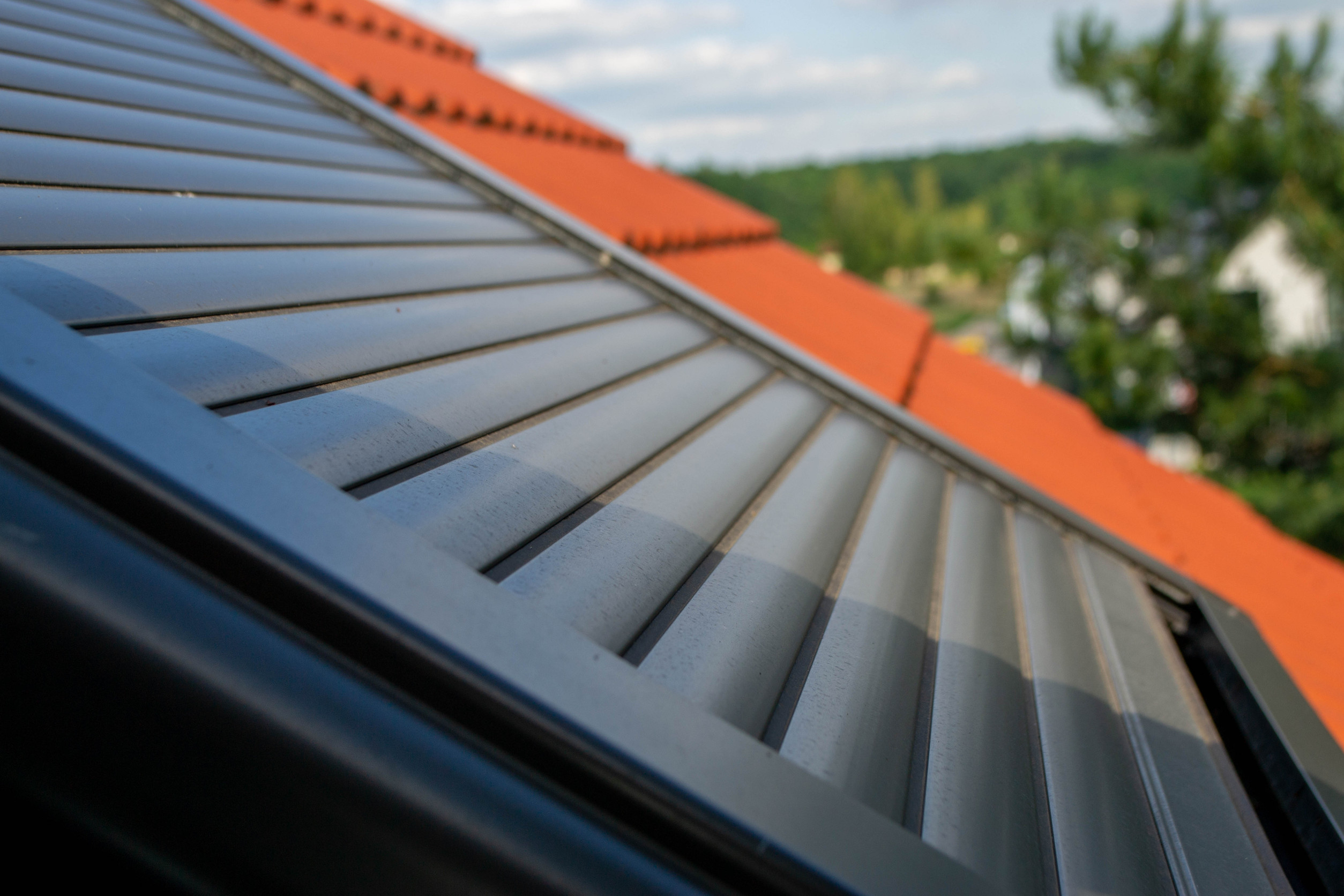
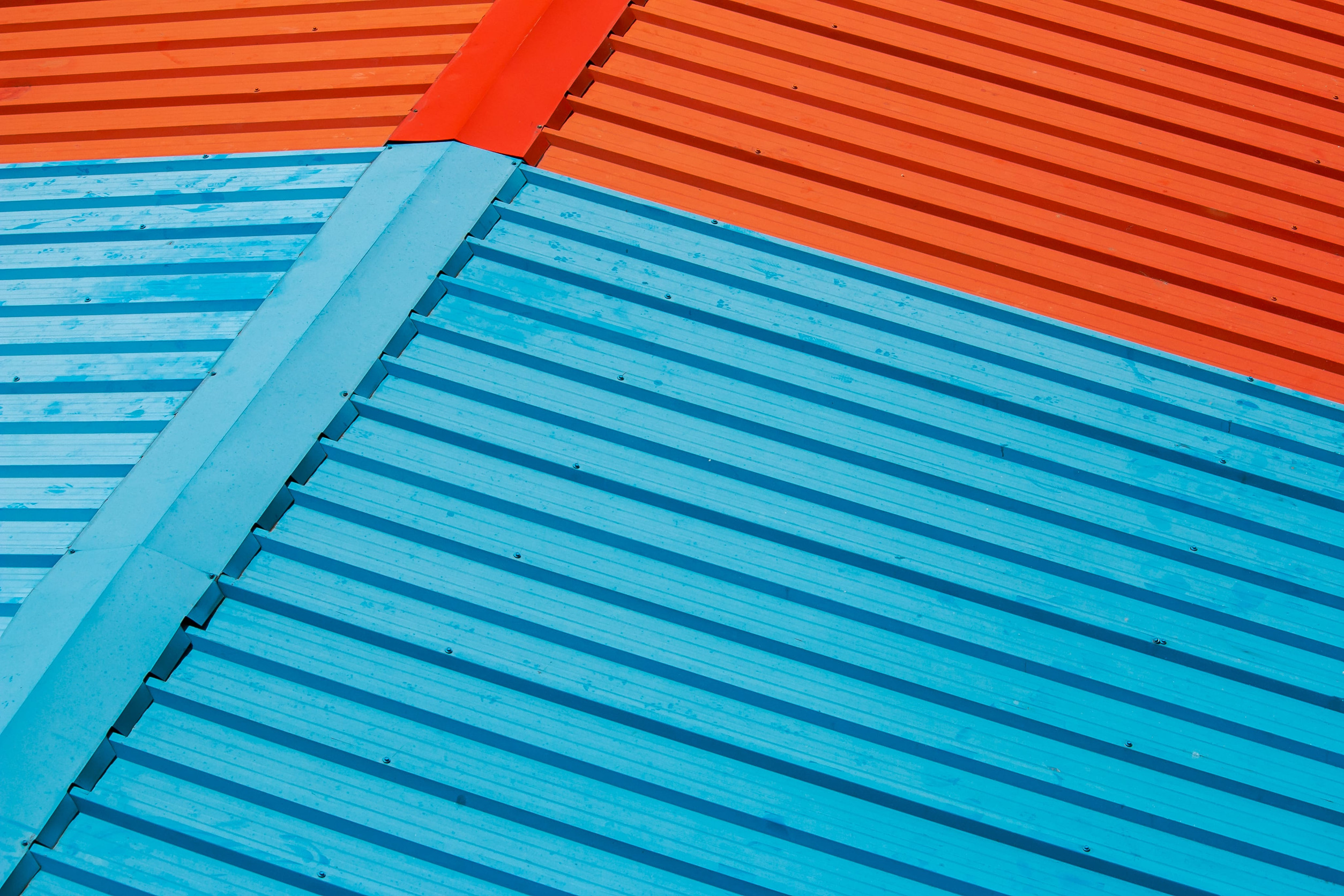
Metal roofing is a strong cool roof option because many metal systems naturally reflect sunlight, and reflective coatings can enhance that benefit.
Metal roofs can help reduce heat absorption, especially:
- Standing seam metal roofs with high-quality coatings
- Lighter color metal finishes designed for reflectivity
If you are researching metal roofing and want a specialist’s input, explore metal roofing contractors serving East Tennessee.
Cool Roof Membranes for Flat Roofs
For flat or low-slope roofs, reflective membranes like TPO and PVC are common cool roofing solutions. These systems can offer:
- Strong reflectance
- Durable heat-welded seams
- Excellent waterproofing performance
They are often chosen for commercial buildings, but can also work for certain residential flat roof sections.
Common Misunderstandings About Cool Roofs
“Cool roofs are only for commercial buildings”
Cool roofs are common on commercial properties, but many residential homes can benefit as well, especially those with hot upper floors, minimal shade, or older insulation.
“A cool roof means you have to choose white”
Not necessarily. While white membranes are common, many cool roof products come in a range of colors designed for reflectivity.
“Cool roofs solve all energy problems”
A cool roof helps reduce heat absorption, but ventilation and insulation still matter. A roofing contractor should evaluate the entire roof system to make sure you get full benefit.
When a Cool Roof Is a Smart Upgrade
Cool roofing can be especially valuable if:
- Your home has a hot upper floor during summer
- Your building gets direct afternoon sun with limited shade
- Your HVAC system runs constantly during warm months
- You own a commercial building with a large roof surface area
- You are replacing an aging roof and want better long-term value
- You want to improve comfort without major interior renovations
In many cases, the best time to choose cool roofing is during replacement, when you are already investing in new materials and labor.
To understand replacement timing and process, RC Roofing LLC provides a helpful overview in what to expect during a roof replacement.
Installation Quality Matters More Than Marketing Claims
Cool roof benefits only show up when the roof is installed correctly and built as a complete system. That includes:
- Proper underlayment selection
- Correct ventilation and airflow
- Proper flashing and sealing
- Correct fastening and alignment
- Appropriate insulation and drainage planning
This is where working with an experienced roofing contractor makes a real difference. A cool roof installed poorly will still leak, still age prematurely, and still require repairs.
If you want to understand why professional roofing work prevents long-term issues, RC Roofing LLC explains it well in why DIY roof repairs can cost you more.
How RC Roofing LLC Helps You Choose and Install the Right Cool Roof
RC Roofing LLC helps East Tennessee property owners choose a roofing system that fits their structure, style preferences, and efficiency goals. A professional evaluation includes:
- Roof and attic assessment
- Material recommendation based on roof slope and building type
- Ventilation and insulation review
- Installation planning for long-term durability
- Clear estimates and project expectations
Whether your project is residential or commercial, RC Roofing LLC can help you install a roofing system designed for comfort, efficiency, and long-term performance.
You can request an inspection and estimate here: request a roofing quote from RC Roofing LLC.
Final Thoughts: A Cool Roof Is a Practical Upgrade With Real Payoff
Installing a cool roof can provide meaningful benefits for both homes and commercial buildings in East Tennessee. By reflecting sunlight and reducing heat absorption, a cool roof can lower cooling costs, improve indoor comfort, and reduce thermal stress on roofing materials.
Key benefits of installing a cool roof include:
- Improved energy efficiency and reduced cooling demand
- Better indoor comfort, especially in upper levels
- Longer roof lifespan through reduced heat-related wear
- Strong performance on flat and low-slope roofs
- Modern material options that maintain curb appeal
If you are considering a cool roof for your home or business, the best next step is to talk with a professional roofing contractor who can evaluate your roof and recommend the right solution.
To get started, schedule an estimate through RC Roofing LLC roof inspection and quote request.