Where to Get Commercial Roofing in Athens, TN
Finding the right partner for your commercial facility is a critical step in long-term asset management. If you are wondering where to get commercial roofing in Athens, TN, it helps to understand the unique challenges of the region and what makes a low-slope roofing system last. Athens serves as a vital and growing hub for business, manufacturing, and logistics in Southeast Tennessee. Located conveniently between the major economic engines of Knoxville and Chattanooga, this vibrant city hosts a dense and varied commercial real estate landscape.
From historic downtown retail shops and civic buildings to expansive manufacturing facilities, distribution centers, and corporate office parks, the commercial structures in Athens require specialized attention. For property owners, real estate investors, and facility managers operating in McMinn County, maintaining these physical assets is a top financial priority. The most critical aspect of facility management is ensuring that the building envelope remains absolutely secure. Investing in top-tier commercial roofing is an essential task for anyone looking to protect their business operations, expensive interior inventory, sensitive mechanical equipment, and personnel from the unpredictable East Tennessee weather.
The Environmental Challenges for Athens Commercial Roofs
Understanding the specific climate stressors in Athens is the first step in recognizing why high-quality commercial roofing is a requirement rather than a luxury. East Tennessee experiences a full range of demanding seasonal weather extremes, each bringing unique threats to low-slope and flat roofing membranes.
Extreme Heat and Thermal Shock
Summers in Athens are characterized by intense heat and high humidity, which can rapidly accelerate the chemical degradation of standard roofing materials. Ultraviolet radiation from the sun constantly beats down on flat commercial roofs. On a 90-degree summer day, a dark-colored commercial roof can easily reach surface temperatures exceeding 160 degrees Fahrenheit. When sudden afternoon thunderstorms roll through the valley, the sudden downpour rapidly cools the roof surface.
This dramatic shift causes the roofing membrane to rapidly contract, a physical phenomenon known as thermal shock. Over years of exposure, continuous expansion and contraction will pull at the seams, flashings, and mechanical fasteners of a poorly installed roof, eventually causing the watertight seals to fail.
Severe Storms and Wind Uplift
Spring and summer storm seasons bring severe thunderstorms accompanied by high wind uplift forces, torrential downpours, and occasional hail events. Wind uplift occurs when high-velocity air moves over the edge of a building, creating a negative pressure vacuum that pulls upward on the roofing membrane. If a commercial roof is not engineered and fastened correctly along the perimeter edges, these wind forces can literally peel the roof off the structural deck.
Winter Freeze-Thaw Cycles
During the winter months, temperatures in Athens frequently drop below freezing. When rain or melting snow enters microscopic cracks or compromised seams in an aging roof, the water expands as it freezes overnight. This expansion widens the existing gaps. When the ice melts the following day, the water penetrates even deeper into the roofing system. This continuous freeze-thaw cycle will silently destroy a roof from the inside out, leading to saturated insulation and rusted structural decking. A commercial roof in Athens must be engineered specifically to withstand all these compounding environmental stressors year after year.
Selecting the Right Commercial Roofing System
When searching for reliable commercial roofing solutions, building owners need to evaluate the different types of roofing materials available on the market today. Not every roof is suitable for every building. The optimal choice depends heavily on the slope of the roof deck, the type of daily operations happening inside the building, the available capital budget, and the long-term energy efficiency goals of the organization.
TPO (Thermoplastic Polyolefin) Systems
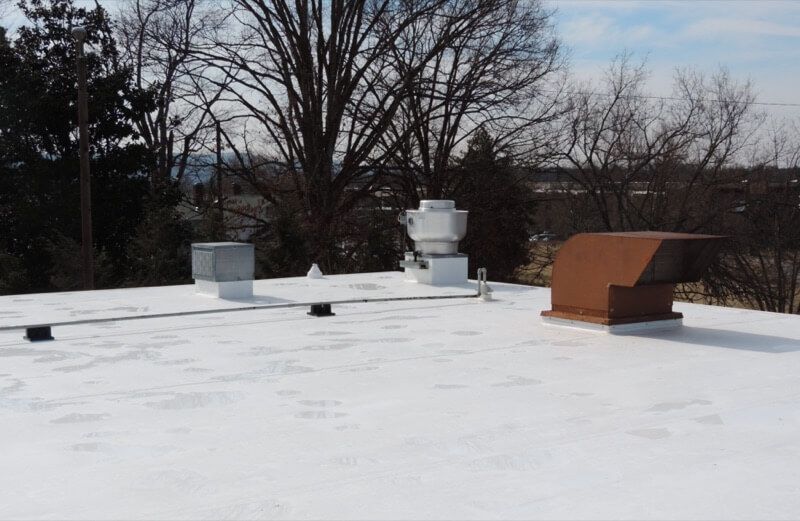
One of the most popular and cost-effective choices for flat or low-slope commercial buildings in Athens is Thermoplastic Polyolefin, commonly known as TPO. TPO is a highly engineered single-ply roofing membrane that offers exceptional waterproofing performance and outstanding upfront value.
TPO is naturally highly reflective, typically manufactured in a bright white finish. This reflective surface bounces a significant percentage of solar radiation away from the building, drastically reducing the cooling costs for large, air-conditioned commercial spaces like warehouses, distribution centers, supermarkets, and big-box retail stores.
Furthermore, TPO seams are sealed using robotic hot-air welders that operate at extreme temperatures. This welding process literally melts the overlapping sheets of plastic together, creating a monolithic, watertight bond that is often stronger than the membrane itself. The result is an incredibly durable surface that is highly resistant to wind uplift and moisture intrusion. If you are considering a single-ply system for your facility, you can explore comprehensive TPO thermoplastic polyolefin roofing systems designed specifically for flat and low-slope commercial structures.
EPDM (Ethylene Propylene Diene Monomer) Systems
Another excellent and time-tested option for commercial properties is Ethylene Propylene Diene Monomer, more commonly referred to as EPDM. EPDM is a durable synthetic rubber roofing membrane that has been a staple in the commercial roofing industry for over sixty years.
It is particularly well-suited for facilities that experience extreme temperature fluctuations because it is highly elastic. EPDM can stretch and contract significantly without tearing, cracking, or losing its structural integrity. While EPDM is traditionally manufactured in black, which can absorb solar heat, it is often installed with a stone ballast covering or finished with a reflective elastomeric coating to improve its energy profile. Many building owners in Athens choose EPDM for its proven multi-decade longevity and exceptional resistance to physical impact from hail and fallen tree branches.
PVC (Polyvinyl Chloride) Systems
For industrial manufacturing facilities, commercial restaurants, food processing plants, or any operations that exhaust harsh chemicals, industrial oils, or animal fats onto the rooftop, Polyvinyl Chloride (PVC) is heavily recommended. PVC is another heat-welded single-ply membrane, but it features a highly specialized chemical formulation engineered to resist harsh contaminants and fire.
Standard rubber or TPO roofs will swell, blister, and dissolve when exposed to animal greases and certain industrial exhausts. PVC remains chemically stable and unaffected. It shares the reflective and energy-efficient properties of TPO but provides an indispensable layer of specialized protection for roofs exposed to harsh environmental pollutants.
Standing Seam Metal Roofing
Commercial metal roofing remains a highly sought-after waterproofing system in Athens, especially for civic buildings, schools, churches, and facilities looking for a traditional architectural aesthetic combined with rugged performance. Standing seam metal roofs feature concealed fasteners that are elevated above the water line, preventing the leaks commonly associated with exposed-fastener metal panels.
These architectural metal roofs offer unparalleled durability and a remarkable lifespan that can easily exceed fifty years with proper routine maintenance. Metal roofs are highly resistant to high winds, fire, and severe impact. They shed heavy rain and snow efficiently and can be finished in highly reflective "cool roof" paint formulations to enhance overall energy efficiency. While the initial capital investment for a standing seam metal roof is higher than a single-ply membrane, the long-term lifecycle cost is often the lowest due to its extended longevity and minimal maintenance requirements.
The Importance of a Certified Commercial Roofing Contractor
Knowing what materials are available is only one piece of the puzzle. The most critical factor determining the success or failure of a commercial roofing project is the contractor you choose to install it. Commercial roofing is vastly different from residential shingle roofing. It requires heavily specialized heavy equipment, rigorous factory training, strict OSHA safety protocols, and a deep, working understanding of municipal commercial building codes and energy requirements.
When determining where to get commercial roofing in Athens, TN, property owners must thoroughly vet their prospective contractors. A reputable commercial roofing contractor should possess a proven track record of successful, large-scale installations in the East Tennessee region. They must be fully licensed by the state, deeply bonded, and heavily insured. A professional company will carry substantial workers' compensation and general liability insurance policies specifically coded for commercial roofing to protect your business assets during the construction phase.
Furthermore, top-tier contractors invest heavily in becoming certified by the major manufacturers of the roofing materials they install. This manufacturer certification is crucial. It is the only way a contractor is authorized to offer extended No-Dollar-Limit (NDL) warranties. An NDL warranty provides ultimate peace of mind, as the manufacturer guarantees to cover all labor and material costs to repair leaks caused by defective materials or poor workmanship for up to twenty or thirty years, regardless of inflation.
This is precisely where you need a dedicated professional team. Partnering with a company that focuses heavily on commercial building envelopes ensures that your project will meet the exact technical specifications required for TPO, EPDM, PVC, and architectural metal roofing systems. By focusing on uncompromising quality craftsmanship and transparent daily communication, professional commercial roofers ensure that every complex project is completed on time, strictly within budget, and to the highest modern industry standards. You can learn more about our company and our ongoing commitment to long-term client satisfaction and commercial excellence.
The Process: From Initial Inspection to Final Installation
The process of replacing or installing a new commercial roof must begin with a comprehensive, physical inspection. A true professional commercial roofing contractor will never offer a blind quote based solely on satellite imagery or the raw square footage of the building.
Instead, they will conduct a thorough on-site diagnostic evaluation. This intensive process includes walking the entire roof surface to assess the current condition of the waterproofing membrane, inspecting all intricate flashing details around HVAC units, plumbing vents, and parapet walls, and heavily analyzing the internal drainage systems to ensure water is flowing off the roof properly without ponding.
In many reroofing scenarios, specialized contractors will perform a non-destructive infrared moisture survey or take physical core samples of the roof deck. This determines if the underlying polyisocyanurate insulation has become wet or damaged over the years. If the insulation is saturated, it is mandatory that it be fully removed and replaced to prevent structural deck corrosion, dry rot, and harmful indoor mold growth.
Once the extensive diagnostic inspection is complete, the contractor will present a highly detailed, itemized proposal outlining the exact scope of work, the recommended material assemblies, the logistical timeline, and the total financial investment. Transparency at this critical stage is vital for corporate budgeting. Building owners and facility managers should fully understand exactly what they are paying for and what the final manufacturer warranty covers. If you are ready to initiate this vital process for your facility, you can quickly get a quote to have a specialized commercial roofing expert evaluate your property.
During the active installation phase, a professional commercial roofing company will prioritize job site safety and your operational continuity. For many active businesses, retail stores, and manufacturing plants in Athens, shutting down daily operations during a roof replacement is completely impossible. Experienced commercial contractors work closely with internal facility managers to stage heavy materials safely, minimize internal noise disruption, and tightly protect the interior of the building from falling dust and construction debris.
Maximizing Lifespan Through Preventative Maintenance
After the new roof is expertly installed, the relationship with your chosen roofing contractor should just be beginning. The real secret to maximizing the financial lifespan of any commercial roofing system is proactive, routine preventative maintenance. Even the absolute highest quality materials installed by master craftsmen can suffer premature failure if they are abandoned and neglected.
Over the changing seasons, autumn leaves, blowing dirt, and general environmental debris will eventually accumulate in internal roof drains, primary scuppers, and gutter systems, leading to severe standing water. Over time, heavy standing water will actively break down roofing membranes, void manufacturer warranties, and add thousands of pounds of unbudgeted structural weight to the building deck.
A proactive commercial roof maintenance program typically involves scheduled, documented inspections, usually performed in the spring after the winter freeze and in the fall before winter arrives. During these detailed visits, roofing technicians will clear all debris from drainage pathways, mechanically probe the welded seams for any signs of microscopic separation, meticulously check the perimeter edge metal for wind looseness, and strategically re-seal any areas where the temporary caulking or pitch pockets have dried out, shrunk, or cracked under the sun.
By catching these minor maintenance issues early, building owners can entirely prevent catastrophic water intrusion that could disrupt vital business operations and lead to incredibly costly interior drywall, electrical, and inventory repairs. A maintained roof is a reliable roof.
Energy Efficiency, Building Value, and Next Steps
Another major financial aspect to consider when investing in commercial roofing in Athens is the incredible potential for massive energy savings. Upgrading an old, dark-colored built-up roof to a highly reflective white TPO or PVC single-ply membrane allows business owners to drastically reduce their HVAC operational loads during the sweltering East Tennessee summers.
This not only lowers expensive monthly utility bills but also significantly reduces the mechanical wear and tear on expensive rooftop air conditioning units, extending their operational life. The tangible return on investment for an energy-efficient commercial roof can often be realized much faster than many property owners initially anticipate.
Furthermore, a structurally sound, fully warrantied, and aesthetically pleasing roof directly increases the overall appraisal value of a commercial property. Whether you plan to hold onto the building for decades as a legacy asset or sell it in the near future, a documented history of professional roof installation and routine maintenance is a massive selling point. Prospective buyers and premium corporate tenants demand the absolute peace of mind that comes with knowing the facility is fully protected from the elements.
Choosing the right roofing partner is a significant corporate decision. You need a dedicated team that is highly responsive, technically knowledgeable, and deeply rooted in the local Tennessee community. If you ever experience a roofing emergency, such as severe storm damage, a fallen tree limb, or a sudden active leak over critical internal equipment, you want a trusted contractor who can mobilize a service crew quickly to mitigate the damage before it spreads. Local presence truly matters when time is money. For immediate professional assistance, to discuss maintenance options, or to schedule a comprehensive facility evaluation, do not hesitate to contact us and speak directly with a commercial roofing specialist today.
In summary, securing elite commercial roofing services in Athens, TN, does not have to be a stressful or complicated corporate endeavor. By intimately understanding your specific building's environmental needs, educating yourself and your board on the various modern roofing systems available, and successfully partnering with a reputable, factory-certified commercial contractor, you can secure a watertight roofing solution that offers decades of reliable asset protection. From the initial diagnostic consultation and precise material installation to the ongoing preventative maintenance programs, the right commercial roofing company will treat your commercial property with the exact same care and priority as if it were their own. Protect your business operations, significantly lower your monthly energy costs, and gain ultimate facility peace of mind by investing in high-quality commercial roofing services today.
Frequently Asked Questions
1. What is the best commercial roofing material for flat roofs in Athens, TN?
The most highly recommended material for flat and low-slope commercial roofs in the East Tennessee area is generally Thermoplastic Polyolefin (TPO). TPO offers a fantastic balance of extreme durability, exceptional cost-effectiveness, and high solar reflectivity, which directly helps lower expensive cooling costs during hot Tennessee summers. EPDM synthetic rubber is also a very popular and highly durable choice, particularly for buildings subjected to severe weather, frequent hail, or heavy rooftop foot traffic from mechanical servicing.
2. How much does a commercial roof replacement cost in Athens, TN?
The cost of a commercial roof replacement varies widely based on several distinct factors. These include the total square footage of the roof surface, the specific type of roofing system selected, the thickness of the membrane, the current condition of the underlying insulation and structural deck, and the logistical complexity of the installation. A complete structural tear-off and replacement will inherently cost more than a simple roof overlay. The most accurate way to determine the exact cost for your specific building is to request a professional on-site core inspection and a customized written quote.
3. How long does a commercial roof typically last in East Tennessee?
When properly installed by a factory-certified commercial contractor and maintained regularly through a preventative maintenance program, a single-ply commercial roof like TPO, PVC, or EPDM can reliably last between twenty and thirty years. Architectural standing seam metal commercial roofs have the absolute longest lifespan, often lasting forty to sixty years or more with routine basic care and sealant maintenance.
4. Do I have to tear off my old commercial roof, or can I roof over it?
Local municipal building codes generally allow for a maximum of two roofing layers on any commercial building structure. If your building currently has only one single roofing layer, and a professional moisture survey confirms that the underlying insulation is completely dry and the deck is structurally sound, you may be eligible for a cost-saving roof overlay. However, if there are already multiple existing layers, or if the moisture survey reveals heavily saturated insulation, a complete structural tear-off is legally and structurally required to pass code inspections.
5. How often should I have my commercial roof professionally inspected?
Industry standards and major roofing material manufacturers strictly recommend that commercial roofs be professionally inspected at least twice a year, ideally in the early spring and late fall. It is also highly advised to schedule an immediate diagnostic inspection following any severe regional weather events, such as high-velocity wind storms, tornadic activity, or heavy hail, to identify and actively address minor surface damage before it turns into a major interior leak.