Commercial Roof Maintenance Plans That Prevent Leaks
Commercial roof leaks are rarely sudden, random events. Most leaks start as small, preventable issues: a seam that begins to separate, a drain that slowly clogs, a flashing detail that loosens after repeated temperature swings, or a puncture from rooftop foot traffic that goes unnoticed. Over time, those minor problems turn into wet insulation, damaged decking, interior water stains, mold risk, and operational disruption.
A well-designed commercial roof maintenance plan prevents those surprises. It creates a routine for inspections, cleaning, minor repairs, and documentation. It also helps you budget more predictably and extend the life of your roof system. Whether you manage a retail building, warehouse, office, restaurant, apartment complex, or municipal facility in East Tennessee, a proactive roof maintenance program is one of the most cost-effective ways to protect your property.
In this article, you will learn what a commercial roof maintenance plan should include, why certain buildings need more frequent service, how maintenance prevents leaks, and how RC Roofing LLC can help you build a plan that fits your property and reduces long-term risk.
Why Commercial Roofs Leak More Often Than Owners Expect
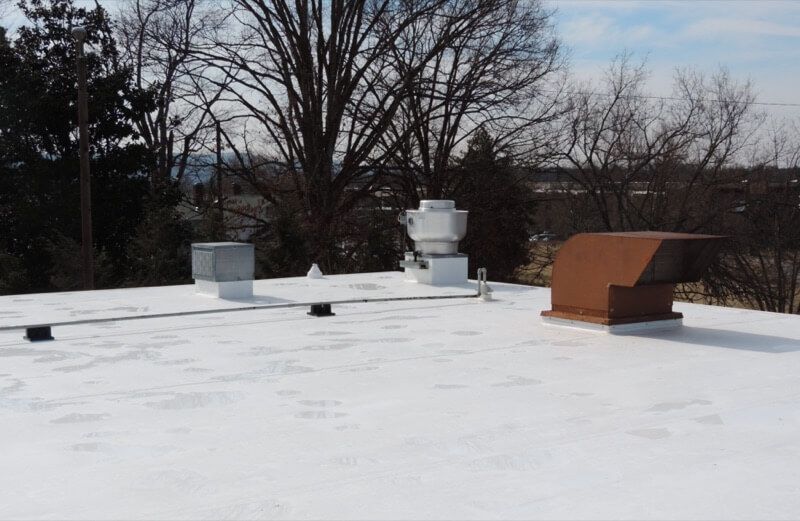
Commercial roofs are different from steep-slope residential roofs. Many commercial systems are flat or low-slope, which means water moves more slowly and ponding can occur if drainage is not maintained. Commercial roofs also have more penetrations and more rooftop equipment, which increases leak risk.
Common commercial roof leak drivers include:
- Flat or low-slope areas that hold water longer
- Clogged drains, scuppers, or downspouts
- Seams that expand and contract with temperature changes
- Flashing failure around vents, pipes, and HVAC curbs
- Foot traffic from maintenance crews
- Debris accumulation in corners, valleys, and behind equipment
- Storm damage that is subtle and easy to miss
A roof maintenance plan works because it addresses these issues early, before they become interior problems.
If you are deciding whether your building is a good candidate for a flat roof system, read is a flat roof right for your commercial building.
What a Commercial Roof Maintenance Plan Is
A commercial roof maintenance plan is a structured program that includes:
- Scheduled inspections (typically at least twice per year)
- Routine cleaning and drainage maintenance
- Minor repairs and sealing to stop small issues early
- Post-storm inspections after major weather events
- Documentation and condition reports
- Replacement planning based on roof age and performance
The best plans are not “one size fits all.” A restaurant roof with grease exposure, a warehouse roof with frequent HVAC service visits, and a medical building with sensitive interiors should not all follow the same schedule. The plan should match the risk profile of the building.
How Maintenance Plans Prevent Leaks
Leak prevention is about controlling the top causes of water intrusion. Maintenance reduces leak risk by focusing on a few key categories.
Drainage control
When drains and scuppers are clear, water leaves the roof as intended. When they are clogged, ponding water increases the chance of seepage and seam stress.
Seam and membrane integrity
Most commercial membrane leaks start at seams, transitions, and edge terminations. Early seam repairs prevent progressive failure.
Flashing and penetration protection
Penetrations are common leak points. Maintenance keeps sealants and flashing systems intact around vents, pipes, skylights, and HVAC curbs.
Puncture and impact detection
Foot traffic, dropped tools, and debris can puncture membranes. Maintenance finds punctures early while they are still small and easy to repair.
Moisture management
A slow leak that saturates insulation can spread widely before it becomes visible inside. Maintenance catches early signs and prevents widespread moisture damage.
The Most Important Part of Any Plan Scheduled Inspections
Routine inspections are the foundation of leak prevention. Most commercial roofs should be inspected at least twice per year.
Recommended inspection schedule for most buildings
- Spring inspection to assess winter wear and prepare for storm season
- Fall inspection to clear debris and prepare for cooler weather
- Additional inspections after major storms, hail, or high wind events
Buildings with higher risk profiles often benefit from quarterly inspections.
Buildings that often need more frequent inspections
- Restaurants with grease vents and rooftop exhaust
- Properties with frequent rooftop equipment servicing
- Large flat roofs where ponding is more likely
- Older roofs nearing the end of their lifespan
- Multi-tenant buildings where interior disruptions are costly
- Industrial buildings with rooftop chemical exposure
If you want more context on why inspections matter, see why commercial roofs need regular inspections if it exists in your blog lineup, or consider it as a companion topic.
What a Professional Commercial Roof Inspection Should Include
A meaningful inspection is not a quick walk across the roof. A professional inspection should be systematic and documented.
Membrane and surface checks
- Seam integrity and heat-welded lap condition
- Blisters, wrinkles, or membrane shrinkage
- Punctures, cuts, and abrasion zones
- Signs of aging, brittleness, or surface deterioration
- Areas of ponding or water staining patterns
Flashing and penetration checks
- Pipe penetrations and vent boots
- HVAC curbs and equipment platforms
- Wall terminations and parapet transitions
- Skylights, hatches, and edge details
- Sealant condition and metal securement
Drainage system checks
- Drains, strainers, scuppers, and downspouts
- Gutters and drainage channels
- Debris accumulation points and roof corners
- Water flow patterns and slope concerns
Interior indicators when needed
- Ceiling stains, wet tiles, or wall discoloration
- Musty odors or humidity issues
- Signs of insulation saturation and spread patterns
Documentation
- Photos of findings and areas of concern
- Repair recommendations prioritized by urgency
- Preventive actions to reduce future risk
- Notes that support warranty and insurance documentation
Routine Cleaning The Leak Prevention Work Most Owners Underestimate
Many commercial roof leaks start because water cannot drain properly. Routine cleaning is one of the most effective and least expensive leak prevention steps.
Cleaning tasks that should be part of most plans
- Remove leaves, branches, and debris from roof surface
- Clear debris around drains, scuppers, and strainers
- Remove buildup behind HVAC units and rooftop equipment
- Clean roof valleys and transition points
- Ensure gutters and downspouts are clear and intact
A fall cleaning is especially important in East Tennessee, where leaves and pine needles can quickly clog drainage pathways.
Minor Repairs That Prevent Major Leaks
The difference between a minor maintenance plan and a truly leak-preventing plan is whether it includes minor repairs as part of routine service. Identifying issues is not enough if they are not fixed promptly.
Common minor repairs that stop leaks early
- Reinforcing seams showing early separation
- Re-sealing small flashing gaps before water intrusion begins
- Repairing punctures and scuffs from foot traffic
- Replacing deteriorated sealant at penetrations
- Securing loose edge metal and termination bars
- Correcting minor drainage blockages and restoring proper flow
Minor repairs are often the best return on maintenance investment because they prevent expensive interior damage.
Post Storm Inspections A Critical Part of a Strong Plan
A roof can look fine from the ground after a storm and still have damage. High winds can lift membrane edges. Hail can bruise roof surfaces. Debris can puncture the membrane or clog drains.
A post-storm inspection should focus on:
- Membrane punctures and impact marks
- Lifted edges or loosened termination bars
- Damage to edge metal and flashing
- Debris accumulation and drain clogs
- Damage around HVAC curbs and penetrations
- Signs of water infiltration beginning under the system
Post-storm inspections help prevent secondary damage, which is often more costly than the original roof issue.
If storm damage has occurred, use what to do after a storm damages your roof as a step-by-step response guide.
Maintenance Plans for Different Commercial Roof Types
Your maintenance plan should reflect your roof system.
TPO roof maintenance priorities
- Inspect heat-welded seams and transitions
- Check flashing and penetration boots for movement
- Inspect for punctures from foot traffic
- Monitor ponding areas and drainage flow
PVC roof maintenance priorities
- Watch seams and detail work around penetrations
- Pay special attention to chemical or grease exposure areas
- Inspect flashing at equipment curbs and roof edges
- Keep roof clean to prevent buildup and staining
EPDM roof maintenance priorities
- Inspect seams and tape adhesion
- Monitor for shrinkage around edges and penetrations
- Check for punctures and surface cracking over time
- Ensure drains remain clear to prevent ponding
If you are selecting a system or evaluating your current flat roof, review the best roofing options for flat roofs to compare materials in a practical way.
Roof Penetrations The Most Common Leak Source
Commercial roofs often have many penetrations, and each one is a potential leak point.
Penetrations that require routine checks
- HVAC curbs and supports
- Plumbing and exhaust vents
- Electrical conduits
- Skylights and smoke hatches
- Roof drains and overflow drains
- Antennas and communication mounts
Maintenance plans should include detailed checks and documented photos of penetration conditions. Even small sealant cracks can become leak pathways during heavy rain.
If your building has recurring issues around penetrations, it may be related to flashing failures. The same principles apply across roof types.
Documentation and Reporting Why It Matters
A professional maintenance plan should include documentation. This is not just for your records. It supports:
- Warranty requirements and proof of maintenance
- Capital planning and budgeting
- Insurance documentation after severe storms
- Clear prioritization of repairs
- Proof of diligence for property management
A good report should include:
- Inspection date and weather conditions
- Photos of issues and repairs
- Priority repair list
- Notes on areas to monitor
- Recommendations for future maintenance schedule
Documentation turns maintenance into a measurable program instead of a vague activity.
If you want to understand the financial side of inspections and documentation, see how roof inspections can lower insurance costs if that article exists on your site.
Maintenance Plans Help You Budget and Avoid Emergency Replacement
Commercial roof replacement is a major project. Maintenance helps you avoid rushed decisions and emergency pricing by giving you time to plan.
A strong plan helps you:
- Extend roof service life
- Reduce leak frequency and interior damage
- Forecast replacement timing based on condition
- Prepare for replacement in a controlled schedule
- Avoid business disruption and emergency shutdowns
If replacement planning becomes necessary, use what to expect during a roof replacement to understand timeline and process.
What a Practical Maintenance Plan Looks Like
Below is a common structure for a commercial roof maintenance plan designed to prevent leaks. Exact schedules vary based on roof type and building risk.
Semiannual plan for many commercial properties
- Spring inspection and minor repairs
- Drain and scupper cleaning
- Seam and flashing checks
- Fall inspection and repairs
- Debris clearing and drainage preparation for winter
Quarterly plan for higher risk buildings
- Quarterly inspections with detailed documentation
- Drainage maintenance each visit
- More frequent sealant and penetration checks
- Immediate repair recommendations after storms
Post-storm plan add-ons
- Inspections after severe storms, hail, or high winds
- Emergency tarping support if exposure occurs
- Fast documentation for claim support if needed
Why RC Roofing LLC Is the Right Partner for Commercial Maintenance
A maintenance plan only works when inspections are thorough and repairs are done correctly. Commercial roofing systems require trained professionals with the right materials and techniques.
RC Roofing LLC supports East Tennessee commercial properties with:
- Routine inspection programs and documentation
- Leak-preventing repairs and seam work
- Drainage maintenance and debris removal
- Storm response and post-storm inspections
- Long-term replacement planning for aging roofs
If you manage a commercial building and want dependable maintenance support, start with commercial roofing services in East Tennessee.
Final Thoughts Commercial Roof Maintenance Plans That Prevent Leaks
Commercial roof leaks are expensive, disruptive, and often preventable. The best way to stop leaks is not waiting for damage inside the building. It is implementing a maintenance plan that keeps drainage clear, seams intact, flashing secure, and small problems repaired before they spread.
A strong commercial roof maintenance plan should include:
- Scheduled inspections at least twice per year
- Drain and debris cleaning to prevent ponding
- Minor repairs as part of routine service
- Post-storm inspections after severe weather
- Documentation that supports warranties and planning
- A replacement strategy based on roof condition, not emergencies
If you want fewer surprises and better roof performance, a professional maintenance plan is one of the smartest investments you can make as a building owner or property manager.
For East Tennessee commercial properties, RC Roofing LLC can build a maintenance plan that fits your roof system and helps prevent leaks long-term. Start here: request a roof inspection and quote.