Explaining East TN Commercial Roofing Financing Options
Replacing or restoring a commercial roof is one of the largest capital investments many business owners and property managers will make. Whether you own a retail center in Knoxville, a warehouse in Maryville, an apartment complex in Sevierville, a church in Alcoa, or an industrial facility anywhere in East Tennessee, the cost of commercial roofing can significantly impact your operating budget.
Fortunately, paying for a commercial roofing project doesn't always require using cash reserves or delaying necessary work until funds become available. Today's building owners have access to a variety of commercial roofing financing options that can make major roofing projects more affordable while helping protect their properties from costly damage caused by aging or failing roofing systems.
This guide explains the most common commercial roofing financing options available in East Tennessee, how they work, and what business owners should consider before choosing a financing solution.
Why Financing a Commercial Roof Makes Sense
Many property owners initially hesitate when faced with the cost of replacing a commercial roof. However, postponing necessary roofing work often leads to much larger expenses over time.
A deteriorating roof can result in:
- Interior water damage
- Mold and mildew growth
- Damaged insulation
- Increased energy costs
- Business interruptions
- Inventory damage
- Structural deterioration
- Frequent repair expenses
Instead of waiting until emergency repairs become unavoidable, financing allows property owners to complete roofing projects proactively while spreading the investment over manageable monthly payments. For many businesses, preserving cash flow is just as important as protecting the building itself. Property managers often consult a specialized Knoxville commercial roofing cost guide to build accurate financial forecasts before applying for loans.
Commercial Roofing Is a Long-Term Investment
Unlike many routine maintenance expenses, a commercial roof is considered a long-term capital improvement. Depending on the roofing system selected, a new commercial roof may last:
- TPO Roofing: 20–30 years
- PVC Roofing: 20–30 years
- EPDM Roofing: 20–35 years
- Modified Bitumen: 15–25 years
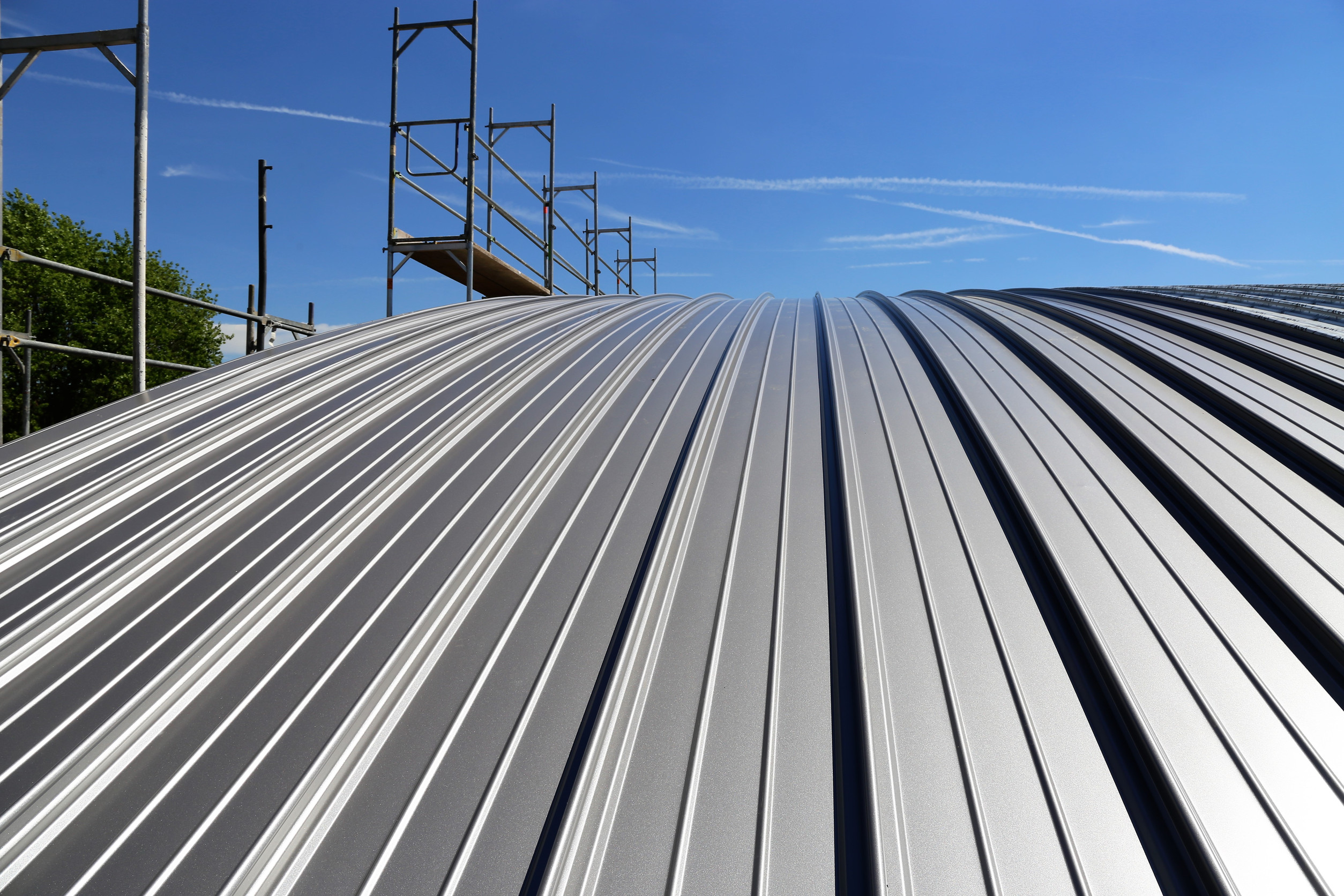
- Standing Seam Metal Roofing: 40–70+ years
- Roof Coating Systems: 10–20 years with proper maintenance
Because these systems provide decades of protection, many business owners find financing to be a practical method of matching the cost of the roof with its useful lifespan. When comparing single-ply membranes for low-slope applications, it helps to weigh the specifics of EPDM vs. PVC roofing pros and cons to determine which option brings the best return on investment.
Common Commercial Roofing Financing Options
Commercial roofing contractors often work with multiple financing providers, giving customers flexibility based on their financial situation. Below are the most common financing methods available in East Tennessee.
Traditional Commercial Loans
One of the most common financing methods is a traditional commercial loan obtained through a bank or credit union. These loans may offer fixed monthly payments, competitive interest rates, flexible repayment terms, and predictable budgeting.
Commercial loans are often well suited for office buildings, apartment complexes, retail centers, industrial properties, churches, and medical facilities. Approval typically depends on business financials, credit history, and the property's value.
Equipment Financing
Although roofing isn't technically equipment, some lenders offer financing programs specifically for commercial property improvements. These financing products may allow building owners to fund roof replacements, roof restoration systems, insulation upgrades, drainage improvements, and energy-efficient roofing systems. Equipment-style financing can sometimes offer streamlined approval processes compared to traditional business loans.
Lines of Credit
Many established businesses maintain commercial lines of credit. Rather than obtaining a new loan, property owners may use existing available credit to complete roofing projects.
Advantages include immediate access to funds, flexible borrowing, interest charged only on amounts used, and the ability to repay and reuse credit. A line of credit may be especially helpful when roofing needs arise unexpectedly after storms or sudden roof failures.
Contractor Financing Programs
Many commercial roofing contractors partner with financing companies to provide customers with convenient payment options. These programs often include simple application processes, fast approvals, multiple repayment terms, competitive financing offers, and flexible payment structures. For many business owners, contractor-arranged financing eliminates the need to secure outside funding independently.
SBA Loans
The U.S. Small Business Administration (SBA) offers loan programs that may help qualifying businesses finance commercial property improvements. Depending on eligibility, SBA-backed loans may provide longer repayment terms, lower down payments, competitive interest rates, and flexible financing amounts.
Many East Tennessee business owners explore SBA financing for larger capital improvement projects, including roofing. Applicants should work with participating lenders to determine program eligibility and available options.
Commercial Mortgages and Refinancing
Property owners with significant equity in their buildings may choose to refinance their commercial mortgage to fund major improvements. Benefits may include lower interest rates, consolidated debt, larger available funding, and extended repayment schedules. Mortgage refinancing is generally more appropriate for substantial renovation projects rather than smaller roofing repairs.
Property Improvement Loans
Some financial institutions offer loans designed specifically for commercial building improvements. These loans may finance roof replacement, exterior renovations, HVAC upgrades, parking lot improvements, and energy efficiency upgrades. Because roofing significantly improves the value and functionality of a building, it often qualifies under these financing programs.
Roof Restoration as a Cost-Saving Alternative
Not every commercial roof requires complete replacement. In many cases, roof restoration systems provide a lower-cost alternative. Restoration options may include silicone coatings, acrylic coatings, polyurethane systems, seam reinforcement, and waterproof membrane restoration.
Since restoration typically costs less than full replacement, financing requirements may also be lower. A professional roof inspection can determine whether restoration is a viable option.
Insurance and Financing Together
Storm damage frequently creates unexpected roofing expenses. When insurance covers only part of the project, financing can bridge the gap between insurance proceeds and total project cost.
This approach allows building owners to complete the entire project immediately, upgrade roofing materials, meet current building codes, and avoid delaying repairs. Property owners can find an in-depth breakdown of how insurance adjusters assess storm damage by reading our guide on filing a Tennessee roofing insurance claim.
Financing Energy-Efficient Roofing Systems
Energy-efficient roofing systems may reduce long-term operating costs through lower heating and cooling expenses. Popular options include reflective TPO roofing, PVC roofing, cool roof coatings, insulated roofing assemblies, and standing seam metal roofing.
Because these systems often lower utility costs, some businesses view financing as an investment that may partially offset monthly payments through future energy savings. Utilizing dark or highly reflective materials changes building performance, making it critical to review metal vs. asphalt roofing for commercial buildings to align operational efficiency with your business's financial goals.
Factors That Influence Financing Approval
Several variables affect commercial financing approval. These commonly include business credit history, time in business, annual revenue, existing debt, property value, project size, financial statements, and personal guarantees (when required). Each lender uses its own underwriting guidelines. Property owners should compare multiple financing options before making a decision.
Understanding Interest Rates
Interest rates vary depending on credit profile, loan amount, repayment length, market conditions, type of financing, and required collateral. While obtaining the lowest interest rate is desirable, business owners should also consider approval speed, repayment flexibility, and overall financing structure.
Choosing the Right Loan Term
Longer loan terms generally result in lower monthly payments but a higher total interest cost over time. Conversely, shorter loan terms often provide higher monthly payments, lower overall financing costs, and faster debt repayment. Selecting the appropriate repayment schedule depends on business cash flow and long-term financial goals.
Cash Flow Considerations
Many successful businesses finance roofing projects even when cash reserves are available. Preserving working capital allows businesses to maintain flexibility for payroll, inventory, equipment purchases, marketing, business expansion, and emergency expenses. Rather than tying up significant cash in one project, financing distributes the investment over time.
Budgeting for Commercial Roofing
Roof replacement should rarely come as a surprise. Building owners should develop long-term roofing budgets that include annual inspections, preventive maintenance, repair reserves, replacement planning, and financing evaluations. Planning ahead allows businesses to choose financing on favorable terms rather than under emergency conditions.
The Importance of Roof Inspections
Professional roof inspections play an important role in financing decisions. An inspection identifies the roof's age, current condition, moisture intrusion, drainage issues, structural concerns, and remaining service life.
Accurate assessments help determine whether financing should support minor repairs, membrane restoration, or a full system replacement. Property managers should note why commercial roofs need regular inspections to establish a clear paper trail of structural health before requesting financing approval from underwriters.
Comparing Multiple Financing Offers
Not all financing programs are identical. Business owners should look beyond the monthly payment alone to compare interest rates, total repayment cost, loan terms, origination fees, early payoff options, approval timelines, and payment flexibility.
Questions to Ask Before Financing
Before signing any financing agreement, consider asking:
- What is the total repayment amount? The total cost includes both principal and interest.
- Are there any prepayment penalties? Some financing programs charge fees for paying off loans early.
- Is the interest rate fixed or variable? Fixed rates provide predictable monthly payments, whereas variable rates may fluctuate over time.
- What happens if additional repairs are discovered? Unexpected structural damage occasionally increases project costs. Discuss how financing adjustments would be handled.
- Is financing available for future maintenance? Some lenders offer additional funding for maintenance or future improvements.
Financing Different Commercial Roofing Systems
Different roofing systems may influence financing needs:
- TPO Roofing: Often selected for retail buildings, schools, medical offices, and churches, TPO offers an excellent balance between affordability and long-term performance.
- PVC Roofing: Popular for restaurants, manufacturing, food processing, and hospitality properties, PVC provides exceptional chemical resistance.
- EPDM Roofing: Often installed on warehouses, distribution centers, and industrial buildings, EPDM is known for its extreme durability and cost-effectiveness.
- Standing Seam Metal Roofing: Frequently chosen for industrial facilities, educational campuses, and municipal buildings, its higher initial investment delivers exceptional long-term value through decades of service.
- Roof Coatings: Restoration coatings may significantly reduce overall financing requirements while safely extending the existing roof's life.
Avoid Delaying Necessary Roofing Projects
Waiting to replace a failing roof often increases total project costs. Delays may lead to larger leaks, deck deterioration, mold remediation, interior reconstruction, tenant complaints, and operational disruptions. Financing allows property owners to address roofing issues before they escalate into more expensive structural problems. For properties with complex roof profiles, establishing whether a flat roof is right for your commercial building early on helps you secure the correct loan tier before problems worsen.
Partnering With an Experienced Commercial Roofing Contractor
A knowledgeable commercial roofing contractor does more than install roofing materials. They also help property owners evaluate roofing options, compare restoration versus replacement, prepare accurate project estimates, coordinate inspections, explain available financing programs, and schedule projects with minimal business disruption. Working with an experienced contractor ensures both the roofing system and financing solution align with the property's long-term goals.
Conclusion
Commercial roofing is one of the most important investments a business owner can make, and financing can make that investment more manageable without compromising quality or delaying essential work. From traditional commercial loans and contractor financing programs to SBA-backed loans, lines of credit, and property improvement financing, East Tennessee property owners have a variety of options available to fit different budgets and business needs.
The right financing solution depends on factors such as project scope, cash flow, credit profile, and long-term ownership goals. By understanding the available options, comparing lenders carefully, and working with an experienced commercial roofing contractor, business owners can confidently move forward with projects that protect their buildings, improve energy efficiency, reduce long-term maintenance costs, and preserve valuable capital. A well-planned commercial roofing investment not only safeguards your property today but also supports the long-term success and value of your business for decades to come.