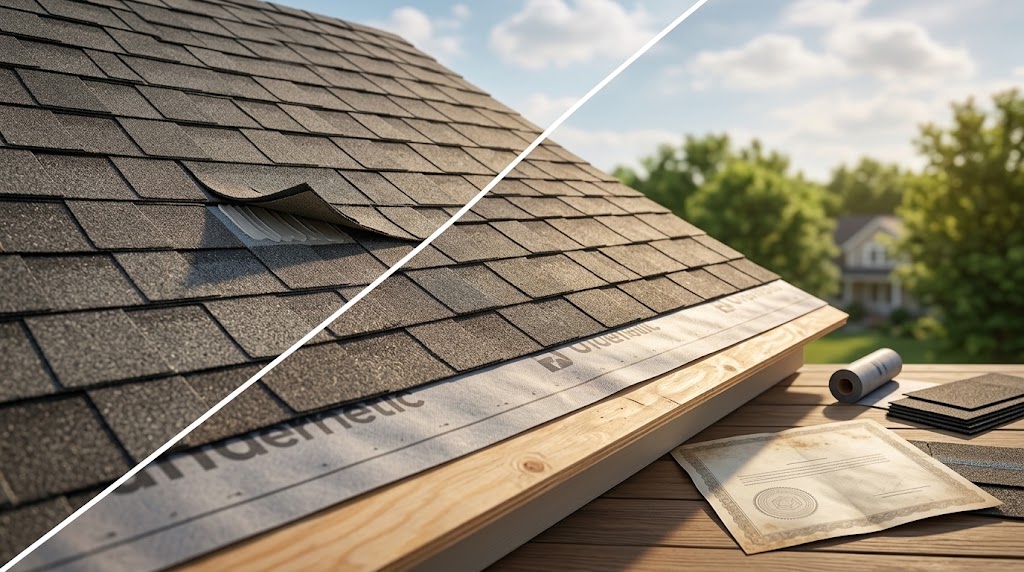
Guide on Filing a Tennessee Roofing Insurance Claim
Roof damage can occur when you least expect it. Severe thunderstorms, hail, high winds, falling tree limbs, and other weather-related events can cause significant damage to residential and commercial roofing systems throughout Tennessee. When damage occurs, many property owners rely on their insurance coverage to help pay for repairs or replacement. However, navigating the roofing insurance claims process can feel overwhelming, especially for homeowners who have never filed a claim before.
Understanding how roofing insurance claims work in Tennessee can help you avoid delays, reduce frustration, and improve the likelihood of a successful outcome. From documenting storm damage to working with insurance adjusters and roofing contractors, each step plays an important role in protecting your investment.
This guide explains the Tennessee roofing insurance claim process, common mistakes to avoid, and what property owners should know before filing a claim.
Understanding Roofing Insurance Claims
A roofing insurance claim is a request submitted to your insurance company after your roof has suffered damage from a covered event. The purpose of the claim is to receive compensation for repairs or replacement costs that fall within the terms of your insurance policy.
Most roofing claims arise from:
- Wind damage
- Hail damage
- Fallen trees
- Severe storms
- Lightning strikes
- Tornadoes
- Fire damage
- Sudden accidental events
Insurance companies generally distinguish between sudden damage and normal wear and tear. For example, a roof damaged during a hailstorm may qualify for coverage, while an aging roof that has deteriorated over time may not. Property owners frequently ask does home insurance cover roof repairs when encountering these unexpected issues. Understanding this distinction is critical before beginning the claims process.
Common Causes of Roof Damage in Tennessee
Tennessee experiences a wide range of weather conditions throughout the year, creating several potential threats to roofing systems.
Severe Thunderstorms
Strong thunderstorms frequently affect Tennessee during spring and summer months. These storms can produce:
- High winds
- Heavy rainfall
- Wind-driven debris
- Falling branches
Even a short-duration storm can loosen shingles, damage flashing, and create leak vulnerabilities.
Hail Damage
Hail is one of the most common reasons homeowners file roofing insurance claims. Depending on the size and velocity of hailstones, damage may include shingle bruising, granule loss, cracked shingles, punctured roofing materials, and damaged flashing. Knowing how to spot hail damage on your roof early is essential since it is rarely visible from the ground.
Wind Damage
Strong winds can lift shingles, tear roofing membranes, and expose underlying materials to moisture intrusion. Wind damage may be particularly common after thunderstorms, tornadoes, tropical storm remnants, and severe weather outbreaks.
Falling Trees and Branches
Tennessee's heavily wooded landscape creates additional risks. Tree limbs may fall during storms and cause structural roof damage, punctures, cracked decking, and gutter damage. Large impacts often require immediate professional attention.
Review Your Insurance Policy First
Before filing a roofing insurance claim, review your homeowner's or commercial property insurance policy. Key areas to review include:
Covered Perils
Determine which events are covered under your policy. Common covered events may include wind, hail, fire, and falling objects. Coverage varies between insurers and policy types.
Deductible Amount
Your deductible represents the amount you must pay before insurance coverage applies. For example:
- Roof repair cost: $12,000
- Deductible: $2,000
- Insurance contribution: $10,000
Understanding your deductible helps establish realistic expectations.
Actual Cash Value vs. Replacement Cost
Policies often use one of two settlement methods:
- Actual Cash Value (ACV): Actual Cash Value considers depreciation. Older roofs may receive reduced payouts due to age and wear.
- Replacement Cost Value (RCV): Replacement Cost Value generally covers the cost of replacing damaged roofing materials with similar new materials, subject to policy terms. RCV policies often provide more comprehensive protection.
Step 1: Document the Damage
The first action after discovering roof damage is documentation. Gather as much evidence as possible before temporary repairs or cleanup occur. Take photographs from multiple angles of missing shingles, damaged flashing, fallen trees, interior leaks, ceiling stains, gutters, and downspouts.
Date-stamped photos can be particularly helpful during the claims process. If a severe storm occurred, remember to review a clear checklist of what to do after a storm damages your roof so you can accurately note the date of loss, approximate time, weather conditions, and local storm reports. The more evidence you have, the stronger your claim documentation becomes.
Step 2: Prevent Further Damage
Most insurance policies require property owners to take reasonable steps to prevent additional damage after an incident. Examples include:
- Emergency tarping
- Temporary leak protection
- Removing fallen debris
- Securing exposed areas
Failure to mitigate additional damage may complicate portions of a claim. Keep all receipts associated with emergency measures. Insurance companies may reimburse reasonable mitigation expenses.
Step 3: Schedule a Professional Roof Inspection
A professional roofing inspection is one of the most important parts of the process. Experienced roofing contractors can identify damage that may not be visible from the ground. An inspection may reveal wind damage, hail impacts, lifted shingles, flashing failures, hidden leaks, and structural concerns. Professional documentation often includes photographs, damage reports, repair recommendations, and replacement recommendations to support your insurance claim.
Step 4: Contact Your Insurance Company
Once preliminary documentation has been gathered, contact your insurance carrier. Most insurers allow claims to be filed through phone, online portals, mobile apps, or local insurance agents. Provide your policy number, date of loss, description of damage, and contact information. After filing, you will receive a claim number and instructions regarding next steps. Keep this information organized for future reference.
Step 5: Meet with the Insurance Adjuster
After the claim is filed, the insurance company typically assigns an adjuster. The adjuster's role is to evaluate damage and determine whether coverage applies. During the inspection, the adjuster may examine roofing materials, flashing, gutters, siding, interior water damage, and structural components. Many property owners choose to have their roofing contractor present during the adjuster meeting. This can help ensure that all visible damage is properly identified and documented.
Step 6: Review the Insurance Estimate
Following the inspection, the insurance company will provide a claim determination. This typically includes the scope of damage, approved repairs, replacement recommendations, estimated costs, and deductible calculations. Carefully review the estimate and pay attention to missing damage items, material specifications, labor allowances, and building code considerations. Do not assume the initial estimate is automatically final. Mistakes occasionally occur and may require clarification.
Understanding Supplemental Claims
Sometimes additional damage is discovered after roofing work begins. Examples include rotten decking, hidden moisture damage, structural deterioration, and code-required upgrades. When this occurs, contractors may submit supplemental documentation to the insurance company. Supplemental claims help ensure all legitimate damage is addressed properly.
Step 7: Select a Qualified Roofing Contractor
Choosing the right contractor is critical. A qualified professional should be properly licensed when required, carry insurance, have local experience, provide detailed proposals, and understand insurance restoration work. Take your time to research and know how to choose the right roofing contractor for your home instead of relying on high-pressure sales groups that appear immediately after storms. Reputable contractors focus on documentation, quality workmanship, and transparency.
Common Roofing Insurance Claim Mistakes
Many claim problems arise from avoidable mistakes.
- Waiting Too Long: Delays can make damage harder to verify. Most policies contain reporting deadlines. Prompt action is important.
- Insufficient Documentation: Poor documentation weakens claims. Photographs and inspection reports provide valuable evidence.
- Ignoring Small Damage: Minor damage may worsen over time. Early inspections often prevent larger issues.
- Choosing the Cheapest Contractor: Low bids can result in inferior materials, poor workmanship, and warranty problems. Roof replacement should be viewed as a long-term investment.
What Insurance May Not Cover
Many homeowners assume all roof damage is covered. Unfortunately, exclusions exist. Common exclusions may include:
- Normal Wear and Tear: Insurance generally does not cover roofs simply reaching the end of their lifespan.
- Lack of Maintenance: Neglected maintenance issues may result in denied claims. Knowing why regular roof inspections save you money can keep your home verified and compliant under policy terms.
- Improper Installation: Damage resulting from poor workmanship may not qualify for coverage.
- Pre-Existing Damage: Damage that existed before the reported event may not be covered.
Review your policy carefully for specific exclusions.
How Long Does a Roofing Insurance Claim Take?
Claim timelines vary. Factors affecting duration include storm severity, claim volume, adjuster availability, contractor schedules, supplemental claims, and material availability. Simple claims may resolve within a few weeks, whereas more complex claims can take several months. Patience and consistent communication often help move the process forward.
Tips for a Smoother Tennessee Roofing Claim
Property owners can improve the process by following several best practices.
- Keep Detailed Records: Maintain photos, emails, estimates, receipts, and inspection reports.
- Communicate Promptly: Respond quickly to requests from insurance adjusters, contractors, and agents.
- Understand Your Coverage: Knowing your policy helps avoid misunderstandings.
- Schedule Regular Roof Inspections: Routine inspections create documentation of roof condition before storm events occur, which simplifies future claims.
Commercial Roofing Insurance Claims
Commercial property owners face additional considerations. Commercial claims often involve larger roofing systems, business interruption concerns, tenant considerations, specialized roofing materials, and strict building code requirements. Because commercial roofs represent substantial structural investments, professional inspections and detailed documentation become even more critical.
When a Claim Is Denied
A denial does not always mean the process is over. If you believe damage was incorrectly evaluated, you may request clarification, submit additional evidence, obtain independent inspections, or pursue supplemental reviews. Professional documentation can often help resolve disputed findings. Remain organized and professional throughout the process.
The Importance of Roof Maintenance Before and After Claims
Insurance companies expect property owners to maintain their roofs. Routine maintenance can help extend roof lifespan, reduce repair costs, minimize claim disputes, and identify problems early. Recommended maintenance includes annual inspections, gutter cleaning, flashing inspections, debris removal, and prompt repairs. Well-maintained roofs experience far fewer claim complications.
Conclusion
Filing a Tennessee roofing insurance claim can seem intimidating, but understanding the process makes it far more manageable. From documenting damage and scheduling professional inspections to meeting with adjusters and reviewing estimates, each step plays an important role in achieving a successful outcome.
Whether your roof has suffered damage from hail, wind, falling trees, or severe storms, acting quickly and maintaining detailed documentation can significantly improve the claims experience. Property owners should understand their policy coverage, work with reputable roofing professionals, and carefully review all insurance estimates before proceeding with repairs. By taking a proactive and informed approach, Tennessee homeowners and commercial property owners can navigate the roofing insurance claim process with greater confidence and protect one of the most valuable components of their property.