Standing Seam Metal Roofing for Commercial Buildings
Commercial building owners, facility managers, and architects constantly seek roofing systems that balance structural performance, architectural appeal, energy efficiency, and long-term financial return. While single-ply membranes and asphalt assemblies dominate low-slope industrial real estate, standing seam metal roofing (SSMR) has established itself as the premium standard for sloped commercial buildings, municipal centers, educational facilities, office parks, and retail developments.
Unlike conventional roofing products that rely on exposed screws or adhesive seams vulnerable to weathering, standing seam systems utilize concealed fastener technology and elevated mechanical interlocks. This engineering approach eliminates common leak pathways while providing decades of low-maintenance service.
This guide explores the design, engineering benefits, material choices, climate considerations, and installation requirements of commercial standing seam metal roofing systems.
What Is Standing Seam Metal Roofing?
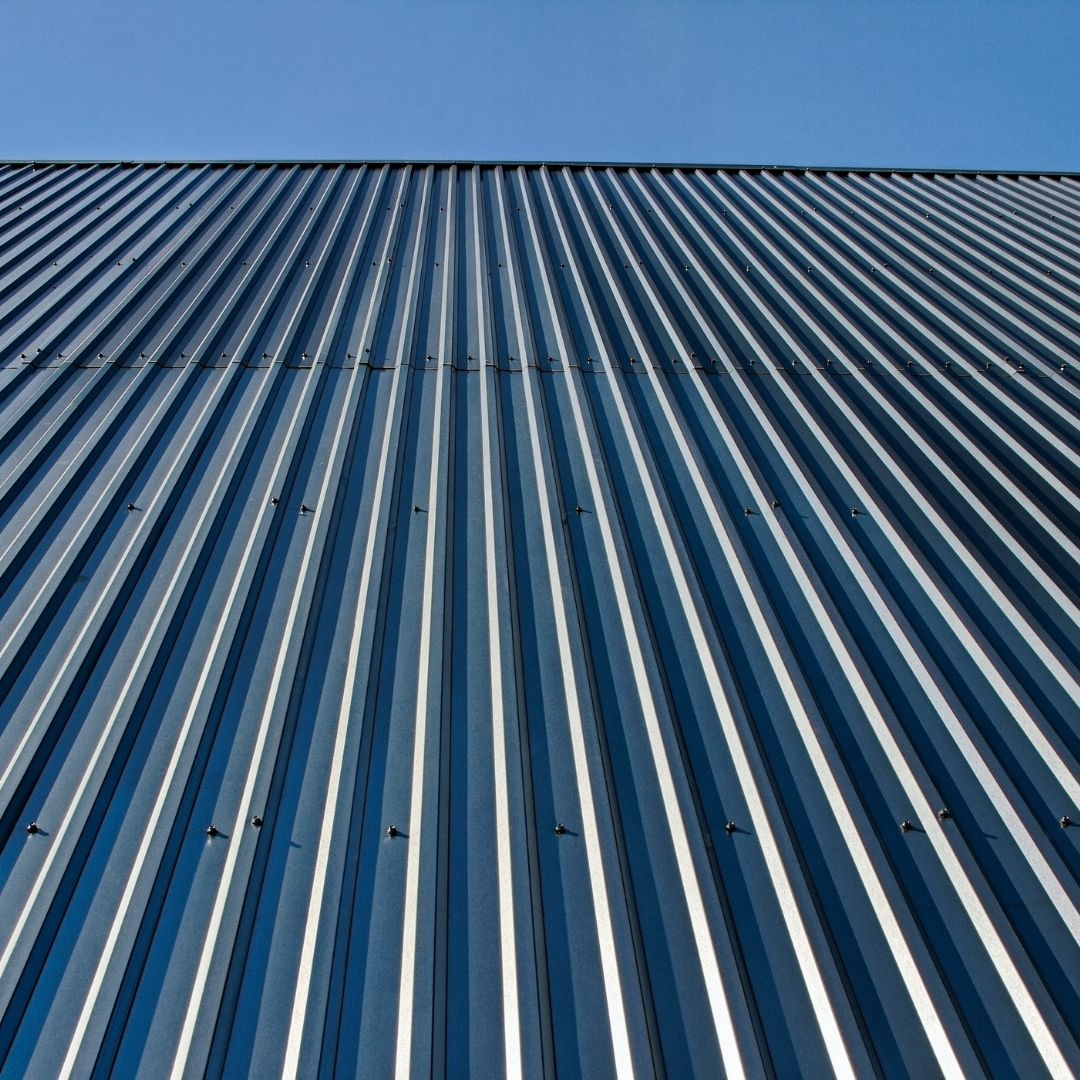
Standing seam metal roofing is a architectural and structural panel system characterized by raised vertical seams that rise 1 inch to 3 inches above the flat panel deck. The defining characteristic of a true standing seam roof is its concealed fastener design.
+-----------------------------------------------------------------------------------+
|                     STANDING SEAM PANEL PROFILE (CROSS-SECTION)                   |
+-----------------------------------------------------------------------------------+
|            [ Raised Seam ]                          [ Raised Seam ]               |
|               /\                                       /\                         |
|              /  \======= [ Concealed Clip ] ========== /  \                        |
|             /    \  |                                 /    \                      |
|            /      \ |                                /      \                     |
|  ==========        ==================================        ==========           |
|  [ Flat Panel Deck ]                                [ Flat Panel Deck ]           |
|  -------------------------------------------------------------------------------  |
|  [ Substrate / High-Temp Underlayment / Roof Decking ]                             |
+-----------------------------------------------------------------------------------+
Instead of driving screws directly through the face of the metal panel where they are exposed to sun, rain, and ice, the panels are secured to the roof deck using specialized concealed clips. These clips are fastened inside the vertical seam, and the adjacent panel is snapped or mechanically seamed over the joint.
Understanding the difference between exposed-fastener panel systems and concealed-fastener systems is critical when evaluating life-cycle costs. Building owners comparing panel options can review our guide on a hidden fastener vs. screw-down metal roof to examine fastener wear patterns and long-term maintenance requirements.
Standing Seam Panel Types: Snap-Lock vs. Mechanically Seamed
Commercial standing seam systems are engineered in two primary mechanical configurations, each suited to specific roof slopes, architectural profiles, and weather exposure levels.
+-----------------------------------------------------------------------------------+
|                        SNAP-LOCK VS. MECHANICALLY SEAMED                          |
+------------------------------------+----------------------------------------------+
| SNAP-LOCK PANELS                   | MECHANICALLY SEAMED PANELS                   |
+------------------------------------+----------------------------------------------+
| Factory-formed male/female legs    | Panel legs folded together on-site with seam |
| Snaps together without power seam  | Available in Single-Lock (90°) & Double (180°|
| Ideal for slopes 3:12 and greater  | Essential for low slopes (0.5:12 to 2.12:12) |
| Faster, lower-labor installation   | Superior wind-uplift and watertight protection|
+------------------------------------+----------------------------------------------+
1. Snap-Lock Panels
Snap-lock panels feature factory-engineered male and female leg profiles that press together during installation, snapping firmly into place over the concealed clips.
- Minimum Slope: Typically installed on roof pitches of 3:12 or steeper.
- Best Applications: Architectural commercial buildings, retail storefronts, mansards, and suburban office complexes.
- Advantages: Faster installation timelines and lower labor costs compared to field-seamed systems.
2. Mechanically Seamed Panels
Mechanically seamed panels require specialized power-seaming equipment that runs down the vertical legs on-site, crimping the metal panels together into a permanent lock.
- Single-Lock (90-Degree Seam): A single fold where panel legs are crimped 90 degrees around the clip. Suitable for moderate slopes and high-wind zones.
- Double-Lock (180-Degree Seam): A double fold where panel legs are folded twice (360 degrees total). This creates a watertight, structural joint capable of retaining water under head pressure.
- Minimum Slope: Can be installed on extremely low slopes down to 0.5:12 when combined with factory-applied butyl sealant inside the seam.
- Best Applications: Large commercial distribution hubs, sports arenas, airports, and structures in heavy snow or severe wind-uplift regions.
Primary Benefits of Commercial Standing Seam Metal Roofs
Investing in standing seam metal roofing offers distinct operational, financial, and structural advantages over traditional commercial roof assemblies.
+-----------------------------------------------------------------------------------+
|                         CORE ADVANTAGES OF STANDING SEAM                          |
+------------------+----------------------------------------------------------------+
| PERFORMANCE AREA | KEY ADVANTAGE                                                  |
+------------------+----------------------------------------------------------------+
| Lifespan         | 40 to 60+ years with minimal structural degradation            |
| Thermal Movement | Floating clips accommodate extreme temperature expansion      |
| Wind Uplift      | Achieves UL 580 Class 90 and high-velocity hurricane ratings  |
| Energy Savings   | Cool-roof PVDF coatings reduce summer air conditioning loads  |
| Sustainability   | 100% recyclable at end of life; ideal substrate for solar PV   |
+------------------+----------------------------------------------------------------+
1. Superior Lifespan and Return on Investment
While single-ply TPO or asphalt built-up roofs typically require replacement every 15 to 20 years, a properly installed Galvalume or aluminum standing seam roof easily lasts 40 to 60 years or more. Building owners planning long-term property ownership benefit from a significantly lower annualized life-cycle cost. To evaluate lifetime performance data, explore our complete analysis on how long a metal roof lasts.
2. Accommodation of Thermal Expansion and Contraction
Metal expands when heated by direct sunlight and contracts when cooled. On a 100-foot commercial panel run, thermal movement can shift panel length by more than an inch.
Standing seam systems solve this through floating clip assemblies. The clips secure the panel to the deck while allowing the metal to slide freely back and forth along expansion slots. This prevents panel oil-canning (unsightly surface waving), fastener shear, and seam tearing.
3. Exceptional Weather and Wind Resistance
Because standing seam roofs feature elevated vertical joints elevated high above the water-flow plane and contain zero face-penetrating fasteners, they are virtually immune to water pooling and wind-driven rain penetration. High-grade mechanical lock systems routinely achieve UL 580 Class 90 wind uplift ratings, resisting wind speeds in excess of 140 mph.
4. High Energy Efficiency and Cool Roof Performance
Commercial standing seam panels are finished with advanced PVDF (Polyvinylidene Fluoride) coatings, commonly known as Kynar 500 or Hylar 5000. These factory-baked resin finishes reflect up to 70% of solar radiant heat and maintain high thermal emittance.
By keeping surface temperatures lower during hot summer months, standing seam systems substantially reduce interior cooling loads and peak HVAC electrical demands.
Standing Seam vs. Alternative Commercial Roofing Systems
Facility managers evaluating building upgrades must weigh standing seam metal against traditional flat and low-slope options like TPO, PVC, and Built-Up Roofing (BUR).
+-----------------------------------------------------------------------------------+
|                       COMMERCIAL SYSTEM COMPARISON MATRIX                         |
+-------------------+-----------------+-------------------+-------------------------+
| SYSTEM TYPE       | EXPECTED LIFE   | PUNCTURE / IMPACT | MAINTENANCE FREQUENCY   |
+-------------------+-----------------+-------------------+-------------------------+
| Standing Seam     | 40 – 60+ Years  | High              | Low (Bi-Annual Checks)  |
| TPO / PVC Single  | 20 – 30 Years   | Moderate / Low    | Moderate                |
| Built-Up (BUR)    | 25 – 30+ Years  | High              | Moderate to High        |
| Modified Bitumen  | 20 – 25 Years   | High              | Moderate                |
+-------------------+-----------------+-------------------+-------------------------+
While TPO and PVC single-ply membranes offer lower initial installation costs for vast, flat warehouse footprints, standing seam metal excels on sloped architectural sections, high-visibility rooflines, and properties requiring maximum puncture resistance against hail or rooftop debris.
Building owners comparing capital costs and structural trade-offs between metal and traditional asphalt options can consult our detailed guide on metal vs. asphalt roofing for commercial buildings.
Material Substrates, Panel Profiles, and Protective Finishes
The long-term performance of a commercial standing seam roof depends heavily on selecting the correct metal substrate and protective coating for the building's geographic environment.
Metal Substrates
- Galvalume Steel (AZ50 / AZ55): Sheet steel coated with a patented alloy of 55% aluminum and 45% zinc. Galvalume combines the sacrificial corrosion protection of zinc with the barrier protection of aluminum, making it the most cost-effective and widely used structural metal substrate in North America.
- Aluminum (.032" to .040" Gauge): Inherently rustproof and lightweight. Aluminum standing seam is mandatory for commercial properties situated near saltwater coastal environments or industrial zones exposed to corrosive chemical emissions.
- Architectural Metals (Copper & Zinc): Premium, natural metals that form protective patinas over time. Used primarily on high-end historical restorations, university buildings, and municipal landmarks where a 100+ year lifespan is desired without painted finishes.
High-Performance Paint Finishes
Uncoated metal can dull and corrode under continuous UV exposure. Commercial standing seam panels utilize factory-applied coil coating systems:
- PVDF (Kynar 500 / Hylar 5000): The gold standard for commercial metal roofing. PVDF fluoropolymer coatings offer unmatched resistance to color fading, chalking, UV degradation, and chemical exposure, backed by 30- to 40-year manufacturer finish warranties.
- SMP (Silicone Modified Polyester): A durable, budget-conscious paint system suitable for industrial facilities where long-term chalk and fade resistance is secondary to initial cost savings.
Regional Climate Demands Across East Tennessee
Installing standing seam metal roofs across East Tennessee—including Knoxville, Maryville, Sevierville, and the Smoky Mountain foothill corridors—requires accounting for severe regional climate shifts.
                  +-----------------------------------+
                  |  EAST TN CLIMATE STRESSORS ON SSMR|
                  +-----------------------------------+
                                    |
     +------------------------------+------------------------------+
     |                              |                              |
     v                              v                              v
[ High Summer Humidity & Heat ]  [ Heavy Mountain Wind Shear ]  [ Winter Freeze-Thaw & Ice ]
  - Rapid thermal expansion       - Requires engineered clip     - Demands snow retention
  - Demands PVDF cool coatings      spacing along perimeters       to prevent rooftop slides
Thermal Shock and Humidity
Summer temperatures across the Tennessee Valley routinely reach 90°F with high relative humidity, raising roof surface temperatures above 160°F. Sudden afternoon thunderstorms cause rapid thermal drops, stressing panel flashings. Standing seam's concealed floating clips allow smooth expansion without ripping screw holes open.
Property owners planning regional installations can learn more about tailored panel profiles through our specialized portal for metal roofing in East TN.
Snow Retention in Mountain Corridors
In higher-elevation zones near Sevierville, Townsend, and Gatlinburg, winter snow and ice accumulate on smooth metal panels. When the temperature warms, snow can slide off all at once—a phenomenon known as a roof avalanche—endangering pedestrians, gutters, and ground-level HVAC units.
Commercial metal roofs in these zones require non-penetrating snow guards clamped directly onto the standing seams to hold snow in place and allow controlled melting.
Critical Engineering and Installation Best Practices
A standing seam roof is an engineered system that relies on precise installation craftsmanship. Mistakes during underlayment placement, clip fastening, or perimeter detailing can compromise an otherwise indestructible panel assembly.
+-----------------------------------------------------------------------------------+
|                        COMMERCIAL INSTALLATION CHECKLIST                          |
+-----------------------------------------------------------------------------------+
| [ ] Install high-temperature, self-adhered ice & water underlayment across deck   |
| [ ] Verify engineered clip spacing based on local wind-uplift calculations        |
| [ ] Ensure fixed vs. floating clips are placed correctly for thermal movement      |
| [ ] Hem panel ends over continuous eave cleating without exposed rivets          |
| [ ] Use non-penetrating clamps (S-5!) for rooftop HVAC, conduit, & solar arrays  |
+-----------------------------------------------------------------------------------+
1. High-Temperature Underlayment
Metal panels transmit solar heat directly to the underlying deck. Standard organic felt underlayments liquefy and stick to metal under high heat. Commercial installations require high-temperature synthetic underlayment or self-adhering modified bitumen membranes rated up to 250°F.
2. Eave and Ridge Detailing
Panels must be hooked over continuous metal eave cleats using factory folds rather than face-fastened through the top surface. At the ridge, ventilated ridge caps accommodate attic airflow while preventing wind-driven rain from bypassing panel ends.
3. Non-Penetrating Accessory Attachments
One of the greatest advantages of standing seam metal roofing is the ability to attach rooftop accessories—such as solar panels, snow guards, pipe supports, and satellite dishes—using heavy-duty seam clamps (such as S-5! clamps). These clamps grip the standing seam without piercing the metal membrane, preserving full warranty coverage.
Facility managers interested in step-by-step site preparations can read our full walkthrough on the commercial metal roofing installation process.
Preventative Maintenance and Inspection Protocols
While standing seam metal roofs are among the most durable systems available, bi-annual inspections ensure penetrations, flashings, and drains stay in peak condition.
+-----------------------------------------------------------------------------------+
|                   STANDINGS SEAM PREVENTATIVE MAINTENANCE PROGRAM                 |
+-----------------------------------------------------------------------------------+
| [ ] Clean debris from gutters, scuppers, and valleys to prevent water backup      |
| [ ] Inspect rubber boot flashings around plumbing vents and HVAC curbs            |
| [ ] Check perimeter counter-flashings along parapet walls for sealant adhesion    |
| [ ] Verify snow guards and seam clamps remain securely torqued to panel legs      |
| [ ] Remove organic moss or leaf accumulation along shaded valleys and eaves       |
+-----------------------------------------------------------------------------------+
By keeping valleys clear of organic debris and re-sealing aging pipe boot flashings every 10 to 15 years, a commercial standing seam roof will easily reach its 50+ year design life.
Selecting a Qualified Commercial Metal Roofing Contractor
Installing standing seam metal roofing requires specialized portable roll-forming machinery, mechanical power seamers, sheet metal brake equipment, and factory-trained technicians. Commercial building owners should avoid residential contractors who lack the engineering expertise to calculate wind-uplift pressures, thermal expansion movement, and custom architectural metal fabrication.
When vetting a commercial contractor, verify:
- On-Site Roll Forming Capabilities: Top commercial contractors roll-form continuous standing seam panels directly on the job site from factory-painted metal coils, eliminating lap seams across long panel runs.
- Manufacturer Certified Status: Ensure the installer is certified by major metal manufacturers (e.g., Englert, MBCI, Drexel Metals, ATAS) to provide 20- to 30-year Weather-Tightness Warranties (WTW).
- Local Portfolio and Safety Record: Verify active commercial licensing, full General Liability and Workers' Comp insurance, and a proven track record of completed commercial projects in your immediate region.
Property owners across Blount and Knox counties can connect with experienced local specialists by contacting our metal roofing contractors in Maryville or submitting building plans directly to get a commercial roofing quote.
Long-Term Protection for Commercial Real Estate
Standing seam metal roofing represents a premier structural investment for commercial property owners who demand lifetime durability, energy efficiency, and striking architectural appeal. By eliminating exposed fasteners, accommodating thermal shock through concealed clip assemblies, and applying high-performance PVDF finishes, standing seam systems offer decades of leak-free performance.
By selecting the proper metal substrate, matching panel mechanics to roof slope, and partnering with certified commercial metal installers, you secure long-term value and weather protection for your commercial building asset.