Asphalt Roofing on Commercial Properties: What Building Owners Need to Know
When commercial property managers, building owners, and facility directors think of asphalt roofing, their minds often picture suburban residential homes. However, asphalt-based roofing technologies play a massive role in the commercial sector. From steep-slope architectural shingles on multi-family complexes and office parks to heavy-duty multi-layer Built-Up Roofing (BUR) and polymer-modified bitumen membranes on low-slope industrial facilities, asphalt remains one of the most reliable, versatile, and cost-effective waterproofing materials in modern commercial construction.
Selecting the right commercial roof requires balancing initial capital costs, long-term maintenance requirements, energy efficiency goals, and structural weight limits. Understanding how asphalt systems perform on commercial structures—and how local climate factors impact their longevity—is vital to protecting your real estate investment.
The Core Types of Commercial Asphalt Roofing Systems
Commercial asphalt roofing falls into two distinct structural categories: low-slope asphalt systems designed for waterproofing flat or low-pitch roofs, and steep-slope architectural asphalt shingles designed for water-shedding on pitched commercial structures.
+-----------------------------------------------------------------------------------+
|                        COMMERCIAL ASPHALT ROOFING OPTIONS                         |
+------------------------------------+----------------------------------------------+
| SYSTEM TYPE                        | PRIMARY APPLICATION                          |
+------------------------------------+----------------------------------------------+
| Modified Bitumen (SBS / APP)       | Flat & Low-Slope Industrial & Retail Decks   |
| Built-Up Roofing (BUR)             | Heavy Foot-Traffic Commercial Roofs          |
| Architectural Asphalt Shingles     | Steep-Slope Multi-Family, Offices, Resorts   |
| Hybrid Asphalt Assemblies          | Mixed-Slope Buildings & Complex Transitions  |
+------------------------------------+----------------------------------------------+
1. Modified Bitumen (Mod-Bit) Systems
Modified bitumen was engineered as an evolution of traditional asphalt roofing. By infusing liquid asphalt with specialized synthetic polymers, manufacturers create factory-controlled sheet membranes that offer high tensile strength, elasticity, and puncture resistance.
- SBS (Styrene-Butadiene-Styrene): SBS modifies asphalt with synthetic rubber, granting the membrane exceptional flexibility and cold-temperature recovery. This rubberized quality allows the membrane to expand and contract smoothly during sharp thermal shifts without splitting at the seams.
- APP (Atactic Polypropylene): APP modifies asphalt with plastic polymers, creating a durable matrix that offers high resistance to intense heat, UV radiation, and foot traffic. APP sheets are commonly heat-welded using a torch.
- Multi-Ply Protection: Mod-bit is typically installed as a two-ply system (a heavy base sheet followed by a granulated cap sheet), giving commercial buildings redundant layers of waterproofing.
2. Built-Up Roofing (BUR) "Tar and Gravel"
Built-up roofing is one of the oldest and most proven low-slope commercial systems in North America. A BUR assembly is constructed on-site by alternating layers of asphalt-saturated reinforcing felts (fiberglass or organic mats) with hot liquid asphalt.
- Extreme Redundancy: Featuring 3, 4, or even 5 distinct waterproof plies, BUR creates a thick, monolithic barrier. If the top layer suffers a puncture, lower plies prevent water from reaching the interior.
- Heavy Traffic Resistance: Topped with a aggregate surface (gravel) or reflective mineral cap sheet, BUR withstands heavy foot traffic from HVAC service crews, window washers, and rooftop equipment maintenance.
3. Architectural & Heavy-Duty Asphalt Shingles
For steep-slope commercial properties—such as multi-family apartment communities, hotels, churches, senior living facilities, and suburban office parks—architectural asphalt shingles provide a strong balance of aesthetics, fire resistance, and structural reliability.
- Dimensional Depth: Laminated architectural shingles contain multiple layers of asphalt-bonded fiberglass mats, providing wind resistance rated up to 130 mph and class-A fire protection.
- Cost Efficiency: Architectural shingles cost substantially less per square foot than commercial metal standing seam or slate, while delivering clean curb appeal.
Property owners managing sloped retail or multi-unit assets in Blount County can review specialized installation methods for asphalt shingle roofing for commercial properties in Maryville.
Comparing Commercial Asphalt to Other Major Roofing Systems
Evaluating roof options requires looking at upfront costs, lifespan expectations, maintenance needs, and performance under commercial conditions.
+-----------------------------------------------------------------------------------+
|                        COMMERCIAL ROOFING SYSTEM COMPARISON                       |
+------------------+------------------+-------------------+-------------------------+
| SYSTEM           | EXPECTED LIFE    | INITIAL COST      | KEY ADVANTAGE           |
+------------------+------------------+-------------------+-------------------------+
| Modified Bitumen | 20 – 25+ Years   | Moderate          | High puncture resistance|
| Built-Up (BUR)   | 25 – 30+ Years   | Moderate to High  | Multi-ply redundancy    |
| Single-Ply (TPO) | 20 – 30 Years    | Moderate          | High solar reflectivity |
| Standing Metal   | 40 – 50+ Years   | High              | Maximum overall lifespan|
+------------------+------------------+-------------------+-------------------------+
Asphalt vs. Single-Ply Membranes (TPO / PVC)
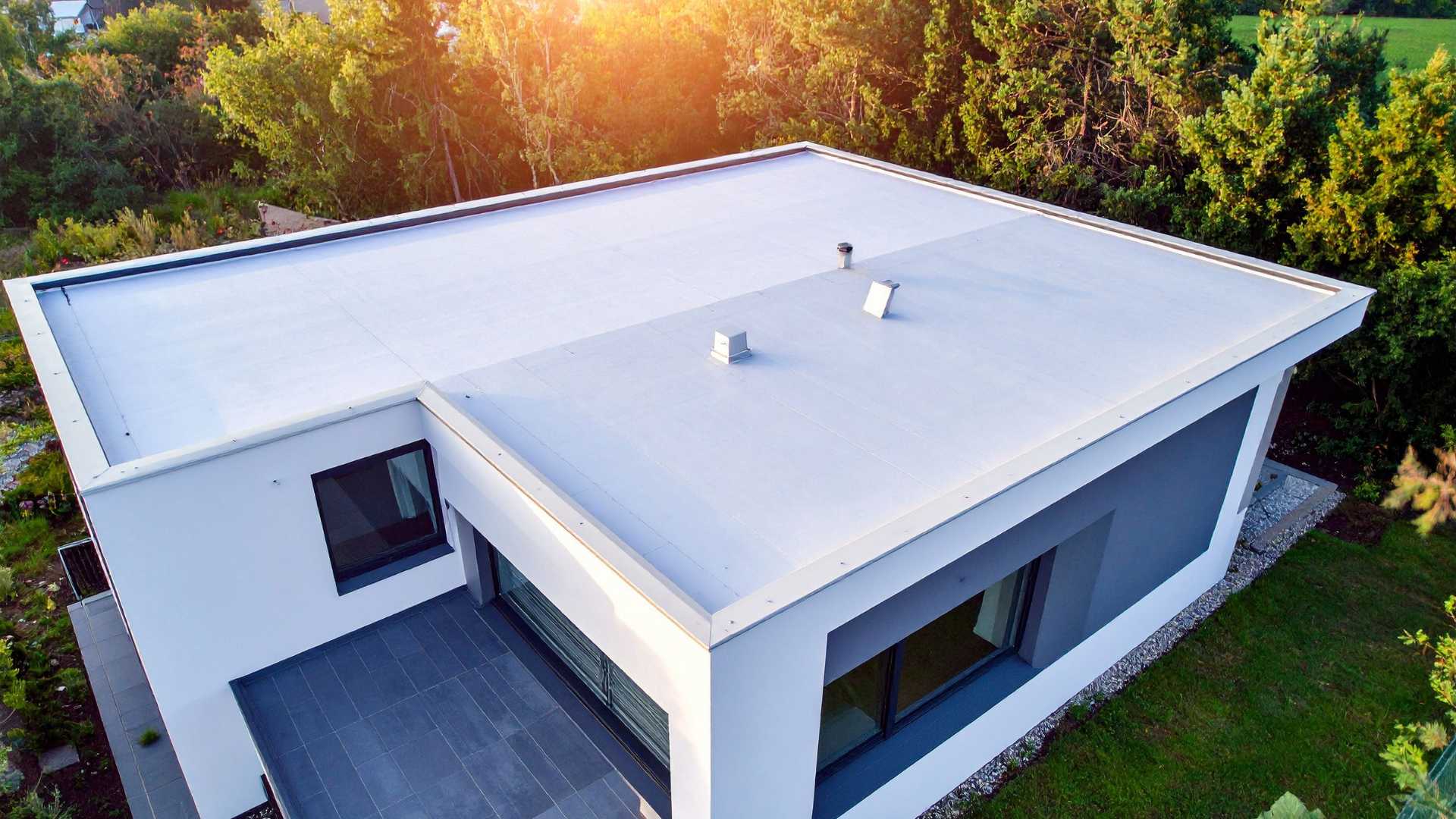
Single-ply membranes like TPO are popular on large warehouse roofs due to their fast installation and bright white reflective surfaces. However, single-ply roofs consist of a single layer (typically 45 to 80 mils thick). If a technician drops a tool or drags sharp equipment across a single-ply roof, a puncture penetrates the entire waterproof barrier.
In contrast, asphalt-based BUR and modified bitumen feature multi-layer redundancy. A surface scuff or puncture on the top layer rarely results in an immediate interior leak because underlying base plies maintain the water seal.
Asphalt vs. Commercial Metal Roofing
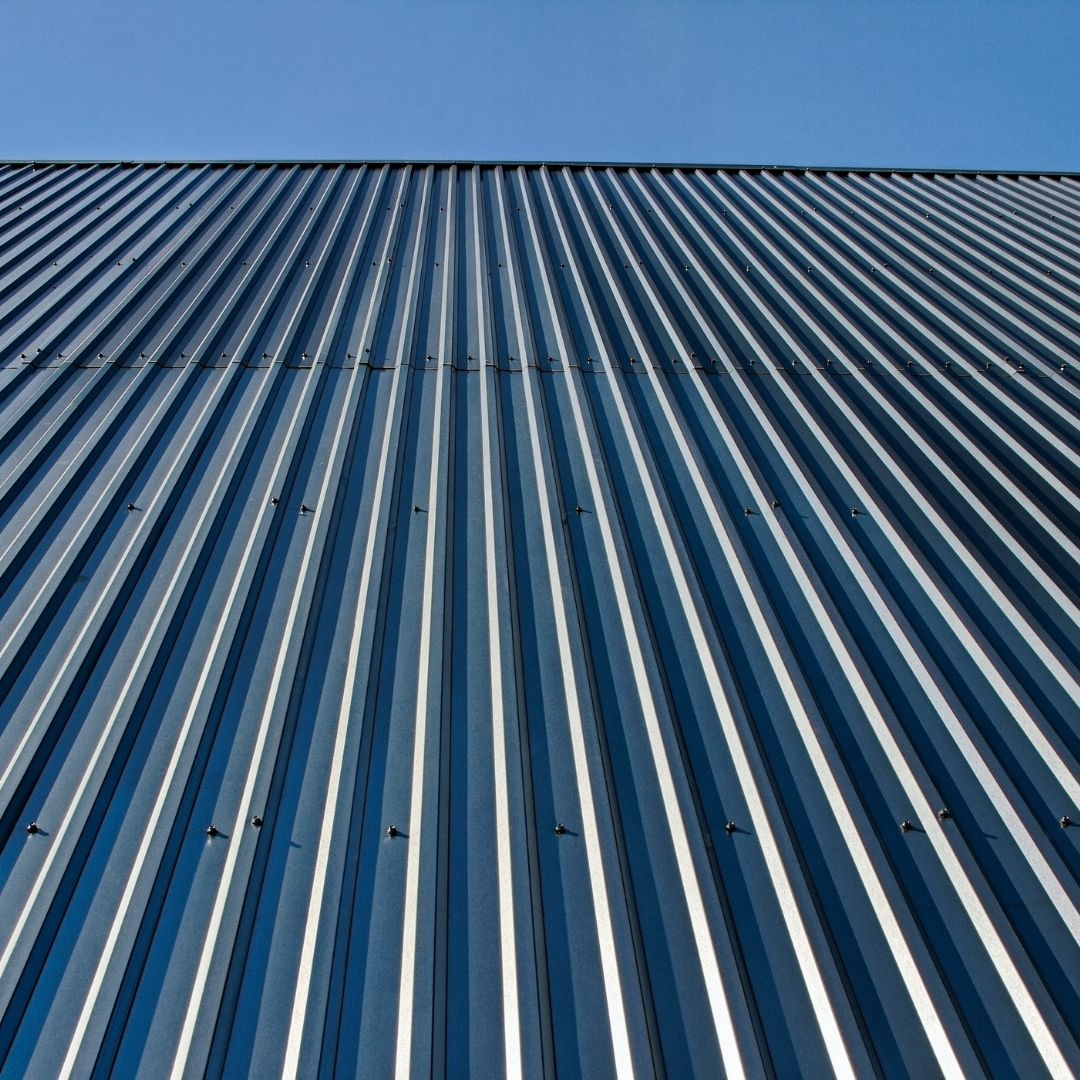
Metal roofing offers exceptional longevity and wind resistance, but carries a significantly higher initial capital cost. When comparing long-term return on investment, building owners should weigh the initial capital outlay against their planned property holding period.
To evaluate material trade-offs across life cycle costs, aesthetic impact, and structural weight, consult our technical comparison of asphalt roofing vs. metal roofing.
Regional Climate Impacts: How East Tennessee Weather Stresses Asphalt
The climate across the Tennessee Valley, Smoky Mountain foothills, and Knox/Blount counties subjects commercial roofing assemblies to intense environmental fatigue.
                  +-----------------------------------+
                  |  REGIONAL ASPHALT STRESS FACTORS   |
                  +-----------------------------------+
                                    |
     +------------------------------+------------------------------+
     |                              |                              |
     v                              v                              v
[ High Summer Humidity ]    [ Thermal Cycling (Shock) ]  [ Freeze-Thaw Expansion ]
     |                              |                              |
     +------------------------------+------------------------------+
                                    |
                                    v
                  +-----------------------------------+
                  | Premature Seam & Granule Fatigue  |
                  +-----------------------------------+
1. Humidity and Algae Growth
East Tennessee experiences elevated summer humidity. On asphalt shingle roofs, high moisture levels accelerate the growth of Gloeocapsa magma, a blue-green algae species that forms dark, unsightly streaks. While algae is primarily aesthetic on shingles, continuous dampness on low-slope asphalt surfaces fosters moss and organic accumulation that traps water against seams.
Building managers concerned about humidity-driven decay can read our study on how East Tennessee humidity quietly destroys asphalt shingles.
2. Extreme Thermal Cycling
On summer days, ambient temperatures above 90°F cause dark asphalt roof surfaces to reach 150°F or higher. Late afternoon thunderstorms cause rapid temperature drops of 30°F or more within minutes.
This rapid expansion and contraction—thermal shock—stresses flashing joints, coping caps, and lap seams. Mod-bit membranes modified with SBS polymers absorb this movement far better than un-modified asphalt felts.
3. Winter Freeze-Thaw Cycles
Winter in East Tennessee features frequent oscillations above and below the freezing mark. Standing water in clogged scuppers or micro-fissures in aged asphalt seams freezes and expands overnight. This expansion splits membrane laps, opens pitch pockets around HVAC curbs, and pushes moisture into underlying insulation boards.
Key Advantages of Commercial Asphalt Systems
Building owners continue specifying asphalt-based systems because they solve real-world facility challenges:
- Puncture and Impact Resistance: Multi-layer modified bitumen and gravel-surfaced BUR roofs handle heavy foot traffic from maintenance personnel, HVAC technicians, and window washers far better than thin single-ply sheets.
- Straightforward Patch Repairs: When an asphalt roof is damaged, repairs are straightforward. Commercial roofers can apply localized cold-process asphalt adhesives, torch-applied patches, or liquid elastomeric flashing compounds to seal leaks without needing complex hot-air welding equipment.
- Versatile Surfacing Options: Modern asphalt cap sheets can be manufactured with reflective white mineral granules or factory-applied cool roof coatings that meet Energy Star standards, combining asphalt's multi-ply strength with solar heat rejection.
- Substrate Tolerances: Modified bitumen and BUR perform well over various insulation types, including polyisocyanurate, perlite, and cover boards, making them ideal candidates for reroofing and recovery projects.
Roof Replacement Decisions: Tear-Off vs. Recovery Overlay
When a commercial asphalt roof reaches the end of its useful lifespan, facility managers face a major decision: should they completely tear off the existing roof system down to the structural deck, or install a recovery overlay board and new membrane over the existing roof?
+-----------------------------------------------------------------------------------+
|                            TEAR-OFF VS. RECOVERY OVERLAY                          |
+------------------------------------+----------------------------------------------+
| TEAR-OFF ADVANTAGES                | RECOVERY OVERLAY ADVANTAGES                  |
+------------------------------------+----------------------------------------------+
| Identifies hidden wet insulation   | Saves 25% – 40% in initial capital costs     |
| Exposes structural deck damage     | Eliminates tear-off labor & dumpster fees    |
| Allows R-value energy upgrades     | Minimizes building operational disruption    |
| Unlocks maximum warranty terms     | Faster completion timeline                   |
+------------------------------------+----------------------------------------------+
When an Overlay Works
Building codes generally permit up to two complete roofing layers on a commercial structure. An overlay involves mechanically fastening or adhering a cover board (such as high-density polyiso or gypsum board) directly over the existing asphalt roof, followed by a new modified bitumen or single-ply cap membrane.
Overlays save money on tear-off labor, landfill disposal fees, and material transport, making them an attractive short-term capital savings option if the existing substrate is dry and structurally sound.
When a Full Tear-Off is Required
If an infrared moisture survey reveals that more than 25% of the underlying insulation is wet, an overlay will trap moisture inside the building envelope. Trapped moisture rots steel or wood decking, fosters internal mold, and causes the new roof membrane to blister and fail prematurely.
To evaluate which approach aligns best with your facility's structural condition and capital budget, review our detailed guide on a roof overlay versus a full tear-off.
Essential Preventative Maintenance for Commercial Asphalt Roofs
Commercial asphalt roofs require routine, scheduled maintenance to fulfill their engineered lifespan. Neglecting routine care leads to ponding water, clogged drainage, and unaddressed flashing splits that void manufacturer warranties.
+-----------------------------------------------------------------------------------+
|                       COMMERCIAL ASPHALT MAINTENANCE CHECKLIST                    |
+-----------------------------------------------------------------------------------+
| [ ] Inspect scuppers, gutters, and internal drains for leaf & gravel build-up    |
| [ ] Examine modified bitumen lap seams for void openings or adhesive bleeds      |
| [ ] Check asphalt shingles for excessive granule loss in gutter troughs           |
| [ ] Re-seal worn pitch pockets and pipe boots around rooftop HVAC units           |
| [ ] Clear organic moss, algae, or standing water ponds lasting over 48 hours     |
+-----------------------------------------------------------------------------------+
Bi-Annual Inspections
Commercial roofs should be inspected twice a year—once in late spring following winter freezes, and once in late fall before winter precipitation arrives. Inspections should focus on high-risk areas:
- Penetrations and HVAC Curbs: Vibration from rooftop mechanical equipment can loosen flashing screws and crack asphalt sealant joints over time.
- Drainage Paths: Leaves, pine needles, and loose gravel can dam internal roof drains, leading to ponding water that degrades asphalt membranes.
- Perimeter Copings and Edge Metal: Thermal expansion can pop metal fasteners along parapet walls, creating entry paths for wind-driven rain.
Enrolling your property in structured professional roof maintenance services in East TN helps catch small seam voids before they evolve into costly interior leaks.
Choosing a Qualified Commercial Asphalt Contractor
Installing multi-ply modified bitumen or Built-Up Roofing requires specialized equipment, safety monitoring, and certified hot-work or cold-adhesive application skills. Choosing an uncertified or residential-only roofer can lead to poor seam fusion, improper drainage pitch, and voided manufacturer warranties.
When vetting a commercial contractor, building owners should verify:
- Commercial Licensing & Insurance: Ensure the contractor holds a valid state commercial license with monetary limits matching your project scope, along with full General Liability and Workers' Compensation coverage.
- Manufacturer Certifications: Top asphalt membrane manufacturers (such as GAF, Carlisle, or Elevate) only issue long-term 20- to 30-year NDL (No Dollar Limit) warranties when installation is completed by certified, factory-trained installers.
- Dedicated Commercial Division: Confirm the contractor maintains specialized commercial crews equipped with torch-safety certifications, kettle safety protocols, and OSHA-compliant fall protection systems.
To explore tailored single-ply, metal, or asphalt options for your facility, contact our team to discuss your property requirements and request a commercial roofing estimate.
Long-Term Protection for Commercial Real Estate
Asphalt roofing systems continue to protect millions of square feet of commercial space across North America. Whether you are installing a high-flexibility SBS modified bitumen membrane on an industrial facility or placing heavy-duty architectural shingles on a multi-family complex, asphalt delivers proven durability, exceptional puncture resistance, and straightforward repairability.
By understanding your roof's material makeup, accounting for regional climate stressors, and enforcing bi-annual preventative maintenance, you can maximize your roofing investment and keep your commercial property fully protected for decades to come.