Built-Up Roofing (BUR) Systems Explained
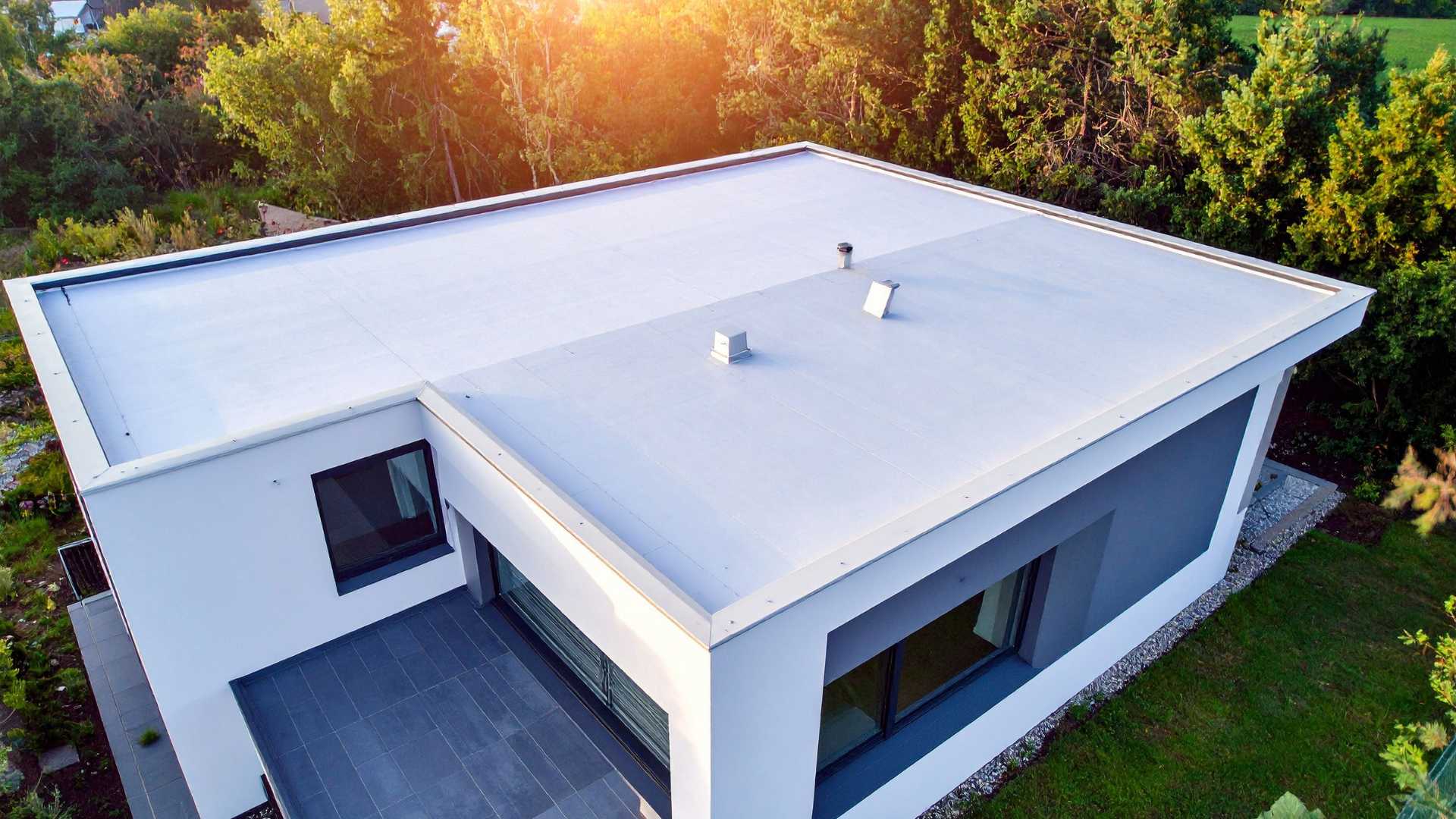
When commercial property managers, facility directors, and building owners evaluate low-slope and flat roofing options, they are often presented with modern single-ply membranes like TPO and PVC. However, one system has protected commercial structures across North America for over 160 years: Built-Up Roofing (BUR).
Informally known as "tar and gravel" roofs, BUR systems are renowned for their rugged multi-layer construction, extreme puncture resistance, and time-tested track record. While single-ply membranes rely on a single sheet of material for waterproofing, a built-up roof creates a thick, redundant, monolithic barrier that resists foot traffic, mechanical impacts, and severe weather.
Understanding how BUR systems are engineered, installed, and maintained helps building owners decide whether this classic roofing option is the right fit for their commercial investment.
What is a Built-Up Roofing (BUR) System?
A Built-Up Roof is a continuous, seamless waterproof assembly composed of alternating layers of bitumen (asphalt or coal tar pitch) and reinforcing fabrics called roofing felts or mats. These layers are built up directly on site, topped with a surface layer such as mineral-surfaced cap sheets, reflective coatings, or gravel ballast.
+-----------------------------------------------------------------------------------+
|                        TYPICAL BUR SYSTEM CROSS-SECTION                           |
+-----------------------------------------------------------------------------------+
| [ Surface Layer ]     Gravel Ballast, Mineral Cap Sheet, or Reflective Coating    |
| [ Top Bitumen ]       Hot Asphalt / Coal Tar Pitch Flood Coat                      |
| [ Reinforcing Ply ]   Fiberglass or Organic Felt Ply Sheet                        |
| [ Middle Bitumen ]    Hot Asphalt / Coal Tar Pitch Interply Coat                  |
| [ Base Ply ]          Heavy Duty Base Sheet (Mechanically Attached or Adhered)    |
| [ Insulation ]        Polyisocyanurate, Perlite, or Cover Board                   |
| [ Roof Deck ]         Steel, Concrete, or Wood Decking                            |
+-----------------------------------------------------------------------------------+
The Key Components of a BUR Assembly
- Roofing Felts / Ply Sheets: These reinforcing mats are made of glass-fiber or organic felt saturated with asphalt. They provide tensile strength, dimensional stability, and tear resistance across the roof deck.
- Bitumen Binder: Liquid bitumen acts as both the adhesive and the primary waterproofing agent. Commercial contractors traditionally use hot asphalt (distilled petroleum) or coal tar pitch (a byproduct of coal processing).
- Surfacing Options: The top layer shields the bitumen and reinforcing felts from solar ultraviolet (UV) radiation, physical impacts, and thermal shock.
How BUR Systems Are Installed
Installing a commercial built-up roof requires specialized heavy equipment, strict safety monitoring, and precise temperature management. The multi-ply assembly is built layer-by-layer over a prepared substrate.
                  +-----------------------------------+
                  |   BUR INSTALLATION WORKFLOW       |
                  +-----------------------------------+
                                    |
     +------------------------------+------------------------------+
     |                              |                              |
     v                              v                              v
[ Deck & Insulation Prep ]    [ Ply Sheet & Asphalt Layup ]  [ Surface Application ]
  - Install cover board         - Mop/roll hot asphalt         - Flood coat bitumen
  - Fasten or adhere base       - Roll out ply sheets          - Embed gravel ballast
    sheet to deck                 (3 to 5 alternating plies)     or mineral cap
Step 1: Substrate Preparation and Insulation
The roof deck (concrete, metal, or wood) is inspected, cleaned, and prepped. Rigid insulation boards—typically polyisocyanurate or expanded perlite—are mechanically attached or set in adhesive. A high-density cover board is often installed over the primary insulation to protect it from the intense heat of hot asphalt.
Step 2: Laying the Base Sheet
A heavy-duty base ply is installed directly over the insulation or cover board. Depending on the deck type and building codes, the base sheet may be mechanically fastened or mopped with hot asphalt.
Step 3: Alternating Bitumen and Ply Layers
Contractors install the reinforcing plies using one of three application methods:
- Hot-Applied BUR: Liquid asphalt or coal tar pitch is heated in an on-site tanker or kettle to temperatures between 400°F and 500°F, then pumped to the roof and mopped or mechanically squeegeed over each ply sheet.
- Cold-Applied BUR: Solvent-based or emulsion liquid asphalt adhesives are applied at ambient temperatures without open kettles, reducing fumes and thermal risks.
- Self-Adhering BUR: Factory-formulated rubberized asphalt plies stick directly to prepared base sheets without hot kettles or liquid solvents.
This process is repeated until three, four, or five overlapping plies are securely bonded into a single, cohesive membrane.
Step 4: Surfacing
Once the final ply is set, a heavy flood coat of bitumen is applied. The surface is immediately finished using one of three options:
- Gravel Ballast: Aggregate gravel embedded into the flood coat provides fire resistance, shields underlying layers from UV degradation, and weighs down the system against wind uplift.
- Mineral Cap Sheet: A factory-granulated asphalt sheet is heat-welded or mopped onto the top ply for a smooth, lower-weight finish.
- Liquid Reflective Coating: An elastomeric white coating is applied over a smooth asphalt surface to bounce solar rays away and meet modern energy codes.
Comparing BUR to Other Commercial Roofing Systems
Choosing the right roofing material requires balancing long-term performance, upfront installation costs, and ongoing maintenance requirements.
+-----------------------------------------------------------------------------------+
|                        COMMERCIAL ROOFING SYSTEM COMPARISON                       |
+------------------+------------------+-------------------+-------------------------+
| SYSTEM TYPE      | EXPECTED LIFE    | INITIAL COST      | KEY ADVANTAGE           |
+------------------+------------------+-------------------+-------------------------+
| Built-Up (BUR)   | 25 – 30+ Years   | Moderate to High  | Multi-ply redundancy    |
| Modified Bitumen | 20 – 25+ Years   | Moderate          | High elasticity & strength|
| Single-Ply (TPO) | 20 – 30 Years    | Moderate          | High solar reflectivity |
| Standing Metal   | 40 – 50+ Years   | High              | Superior overall life   |
+------------------+------------------+-------------------+-------------------------+
BUR vs. Single-Ply Membranes (TPO & PVC)
Single-ply membranes are popular for large industrial structures due to their rapid installation and bright white reflective surfaces. However, a single-ply roof relies on a single sheet of material—typically 45 to 80 mils thick. If a maintenance technician drops a sharp tool or drags HVAC equipment across a single-ply roof, a puncture penetrates the entire waterproof envelope.
In contrast, a 4-ply BUR roof creates a barrier that is often over 300 mils thick. If a tool damages the gravel or top ply, lower asphalt layers maintain the building's watertight seal.
BUR vs. Modified Bitumen
Modified bitumen (Mod-Bit) was engineered as an evolution of traditional BUR. By adding synthetic polymers like SBS (rubberized) or APP (plasticized) to asphalt, manufacturers produce flexible, factory-controlled sheet membranes.
While Mod-Bit is typically installed as a two-ply system, traditional BUR uses three to five plies, providing greater overall thickness and mass. For facilities facing heavy mechanical traffic, BUR remains the more rugged choice. To compare these asphalt options against other options, consult our comparison of asphalt roofing vs. metal roofing.
Key Advantages of Built-Up Roofing Systems
Building owners specify BUR systems for properties that demand heavy-duty protection and long-term reliability.
1. Exceptional Puncture and Impact Resistance
The combination of multiple asphalt-saturated felts topped with aggregate gravel creates a durable barrier against mechanical wear. HVAC service crews, window washers, and rooftop technicians can walk across a gravel BUR roof with minimal risk of puncturing the waterproofing membrane.
2. Multi-Ply Redundancy
Unlike single-ply systems, BUR does not fail from a single surface defect. If the top cap or gravel surface suffers localized wear, three or four underlying waterproof plies prevent interior water leaks.
3. Superior Wind Uplift Performance
A fully adhered 4-ply BUR system anchored with gravel ballast achieves high wind-uplift ratings. The weight of the gravel combined with continuous bitumen adhesion makes BUR ideal for properties in severe weather zones.
4. Thermal Mass and Fire Endurance
Gravel-surfaced BUR systems carry Class A fire ratings. The thick aggregate layer shields the bitumen from direct flame exposure and provides thermal mass that dampens daily indoor temperature fluctuations.
Potential Drawbacks and Considerations
While BUR offers outstanding durability, building owners must consider several installation factors:
- Structural Weight: Gravel-surfaced BUR systems are significantly heavier than single-ply membranes. Structural engineers must verify that the building deck and framing can support the dead load (often 4 to 10 pounds per square foot).
- Fumes and Odors During Installation: Heating asphalt or coal tar pitch in hot kettles produces strong odors and VOC emissions. In occupied facilities like hospitals, schools, or hotels, cold-applied BUR or low-odor asphalt formulations should be used to prevent fumes from entering air intakes.
- Finding Hidden Leaks: Because water can travel between bitumen plies before penetrating the building interior, finding the exact origin of a leak on a gravel BUR roof requires thermal moisture surveys or professional leak detection equipment.
When evaluating whether a low-slope roof repair, overlay, or full tear-off is best for your facility, review our guide on a roof overlay versus a full tear-off.
Regional Climate Impacts on BUR Systems
Climate factors heavily influence how BUR assemblies age over time. Regional environmental stressors alter bitumen flexibility, seam adhesion, and drainage dynamics.
                  +-----------------------------------+
                  |  ENVIRONMENTAL STRESS ON BUR      |
                  +-----------------------------------+
                                    |
     +------------------------------+------------------------------+
     |                              |                              |
     v                              v                              v
[ Extreme Heat & UV Rays ]     [ Thermal Cycling ]        [ Freeze-Thaw Cycles ]
  - Dries liquid volatiles       - Stresses perimeter       - Trapped water expands
  - Causes surface alligatoring    flashing & joint seals     - Splits surface seams
High Humidity and UV Radiation
In humid southern climates, bright UV rays burn off light oils in surface asphalt over time, causing "alligatoring"—a micro-cracking pattern that resembles reptile skin. To prevent premature drying, surfacing coatings or thick gravel layers are essential.
Building owners operating in high-humidity areas can read our study on how East Tennessee humidity quietly destroys asphalt shingles to understand how damp air impacts asphalt-based assemblies.
Freeze-Thaw Conditions
In regions that cycle rapidly between freezing and thawing temperatures, standing water in clogged scuppers or degraded pitch pockets freezes and expands. This expansion breaks open surface plies and damages flashing terminations along parapet walls.
Property managers in Knox County can review targeted restoration methods via our guide on commercial roof repair in Knoxville.
Preventive Maintenance Protocols for BUR Systems
A built-up roof requires routine, scheduled inspections to achieve its engineered 25- to 30-year service life. Neglecting drainage channels or failing to treat aged flashings leads to premature failure.
+-----------------------------------------------------------------------------------+
|                           BUR PREVENTIVE MAINTENANCE CHECKLIST                    |
+-----------------------------------------------------------------------------------+
| [ ] Inspect drains, scuppers, and gutters for gravel accumulation & leaf debris  |
| [ ] Check surface bitumen for alligatoring, bare spots, or missing gravel        |
| [ ] Examine metal coping caps, termination bars, and counter-flashings            |
| [ ] Re-fill dry pitch pockets around rooftop HVAC unit penetrations               |
| [ ] Identify and repair surface blisters or ridges before water enters plies      |
+-----------------------------------------------------------------------------------+
Managing Blisters and Ridges
Over time, moisture or air trapped between bitumen plies expands during hot summer days, forming raised pockets called blisters. Unchecked blisters eventually pop under foot traffic, creating open paths for rainwater.
Commercial roofers repair blisters by cutting them open, drying the underlying plies, and cementing a multi-ply patch over the affected area.
Drainage Management
Excess gravel from BUR surfaces often migrates into roof drains during heavy rainstorms. Keeping drain sumps clean prevents ponding water, which degrades asphalt and overburdens building structural frames.
Building owners interested in establishing a structured upkeep program can read our guide on commercial roof maintenance plans that prevent leaks.
Selecting the Right Commercial Roofing Partner
Installing a multi-ply Built-Up Roofing system requires specialized kettles, crew safety protocols, and experienced craftsmanship. Working with an uncertified or inexperienced contractor can lead to uneven bitumen application, blister formation, and voided manufacturer warranties.
When vetting a commercial contractor for a BUR installation or repair, verify:
- Commercial Licensing & Insurance: Confirm the contractor holds active state commercial licensing with monetary limits that cover your project scope, supported by full General Liability and Workers' Compensation coverage.
- Manufacturer Certifications: Top bitumen manufacturers issue long-term 20- to 30-year No Dollar Limit (NDL) warranties only when installation work is completed by factory-certified crews.
- Safety Credentials: Hot-applied asphalt requires strict adherence to OSHA fall protection, eye protection, and kettle safety guidelines.
For facility managers in Blount County looking for local commercial assistance, explore options for commercial roofing services in Maryville, TN. To schedule a comprehensive roof assessment or discuss material choices for your facility, request a commercial roofing estimate today.
Long-Term Value of Built-Up Roofing
Built-Up Roofing remains a top choice for commercial building owners who prioritize multi-layer redundancy, puncture resistance, and proven long-term durability. By selecting high-quality reinforcing felts, choosing an appropriate surfacing option for your climate, and enforcing bi-annual preventative maintenance, a BUR system will deliver decades of reliable waterproofing protection for your commercial property.