How to Fix a Roof Leak Before It Gets Worse
A roof leak is never just a small annoyance. Left alone, even a slow drip can turn into rotten decking, mold growth, ruined insulation, and expensive interior repairs. The sooner you address a leaking roof, the less damage you will face and the more options you will have.
The challenge is that most roof leaks are symptoms of deeper issues. What looks like a simple stained ceiling may be hiding failing flashing, damaged shingles, or even structural problems. That is why, in almost every case, the smartest move is to call a professional roofing contractor like RC Roofing LLC instead of trying to handle it on your own.
In this guide, you will learn what to do when you notice a roof leak, why fast action matters, and how a professional roofer finds and fixes leaks the right way before they get worse.
Step 1: Recognize the Early Warning Signs of a Roof Leak
Before you can fix a leak, you need to know you have one. Some leaks are obvious, but others show up as subtle warning signs.
Watch for:
- Brown or yellow ceiling stains
- Peeling paint or bubbling drywall
- Musty odors in specific rooms or in the attic
- Soft or damp spots on ceilings or walls
- Drips during or after a rainstorm
- Mold or mildew around skylights, vents, or chimneys
If you start noticing repeat signs during wet weather, it is time to act. Do not wait for a full ceiling collapse or visible water pouring in.
Step 2: Protect the Inside of Your Home Right Away
Once you notice a leak, your first priority is protecting the inside of your home.
You can:
- Move furniture, electronics, and valuables away from the wet area
- Place buckets or containers under active drips
- Lay down towels or tarps to protect floors
- Carefully poke a small hole in a bulging ceiling bubble so water can drain in a controlled way rather than spreading
These steps will not fix the leak, but they will help limit interior damage until a professional roofing contractor arrives.
Step 3: Resist the Urge to Do a DIY Roof Repair
Climbing onto a wet roof with tools might seem like a quick solution, but it is one of the most dangerous and costly mistakes homeowners make. Roofing is slippery, high risk work, and “simple” fixes are rarely simple.
DIY patches often:
- Miss the actual source of the leak
- Seal in moisture where it cannot dry out
- Damage shingles, flashing, or underlayment
- Void manufacturer warranties
- Create new entry points for water
RC Roofing LLC explains these risks in detail in the blog Why DIY roof repairs can cost you more:
If your roof is leaking, the safest and most cost effective move is almost always to contact a licensed roofing contractor who knows how to diagnose and repair the problem correctly the first time.
Step 4: Understand the Real Causes Behind Roof Leaks
A roof leak is rarely caused by “just one bad shingle.” Professional roofers like RC Roofing LLC know that water follows paths you cannot see, and the visible leak inside may be far from the actual entry point.
Common causes of roof leaks include:
- Cracked, missing, or blown off shingles
- Worn or improperly installed flashing around chimneys, skylights, or vents
- Nail pops or exposed fasteners that have loosened
- Failing sealants around penetrations
- Clogged or damaged gutters that allow water to back up under the roofing
- Poorly installed valleys where roof planes meet
- Condensation problems from poor attic ventilation
- Age related wear on shingles or roofing membranes
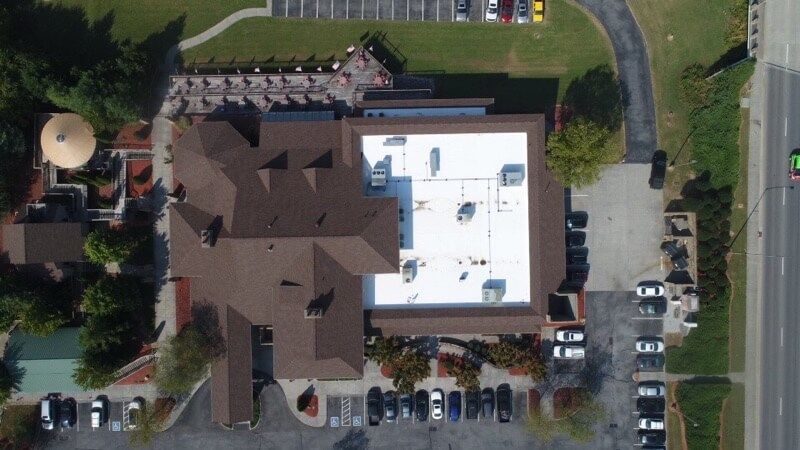
If your home has a flat or low slope section, the causes can be different and may involve specialized materials like TPO or PVC. For an overview of suitable systems, RC Roofing LLC covers those options in the best roofing options for flat roofs
Step 5: Call a Professional Roofing Contractor as Soon as Possible
Once you have stabilized the inside of your home, the next and most important step is to schedule a professional inspection.
A contractor like RC Roofing LLC will:
- Inspect the exterior roof surface for damage
- Check flashing, valleys, and penetrations
- Examine gutters and drainage paths
- Inspect the attic for signs of water entry and ventilation issues
- Trace the path of moisture back to its true source
This diagnostic work is the part homeowners cannot easily do themselves, and it is the difference between a temporary patch and a lasting repair.
If you want help choosing a roofer in your area, RC Roofing LLC has a dedicated guide on how to choose the right roofing contractor
How RC Roofing LLC Fixes Roof Leaks the Right Way
Every leak is different, but a professional process follows the same general structure.
1. Thorough Inspection and Documentation
The team will document all signs of water intrusion and roof damage, inside and out. This may include photos for your records or insurance purposes.
2. Identify the Root Cause
Instead of simply sealing the visible leak, RC Roofing tracks water infiltration to the true failure point. That might be damaged flashing, worn shingles, or an underlying ventilation problem.
3. Remove Damaged Materials
Compromised shingles, underlayment, or decking must be removed so the area can be dried and rebuilt correctly. Covering over damaged material almost always leads to recurring leaks.
4. Repair the Roof System, Not Just the Surface
A quality repair restores:
- Shingles or roofing panels
- Underlayment or membrane
- Flashing and sealant
- Proper fastening and alignment
This system level approach is what prevents leaks from coming back.
5. Address Contributing Issues
If the leak was made worse by clogged gutters, poor ventilation, or neglected maintenance, your roofer will recommend solutions. RC Roofing LLC explains preventative care in The Ultimate Guide to Roof Maintenance
Temporary Patches vs Permanent Repairs
In some emergencies, such as active leaks during a storm, a temporary solution might be the only safe option until weather clears.
Short term options include:
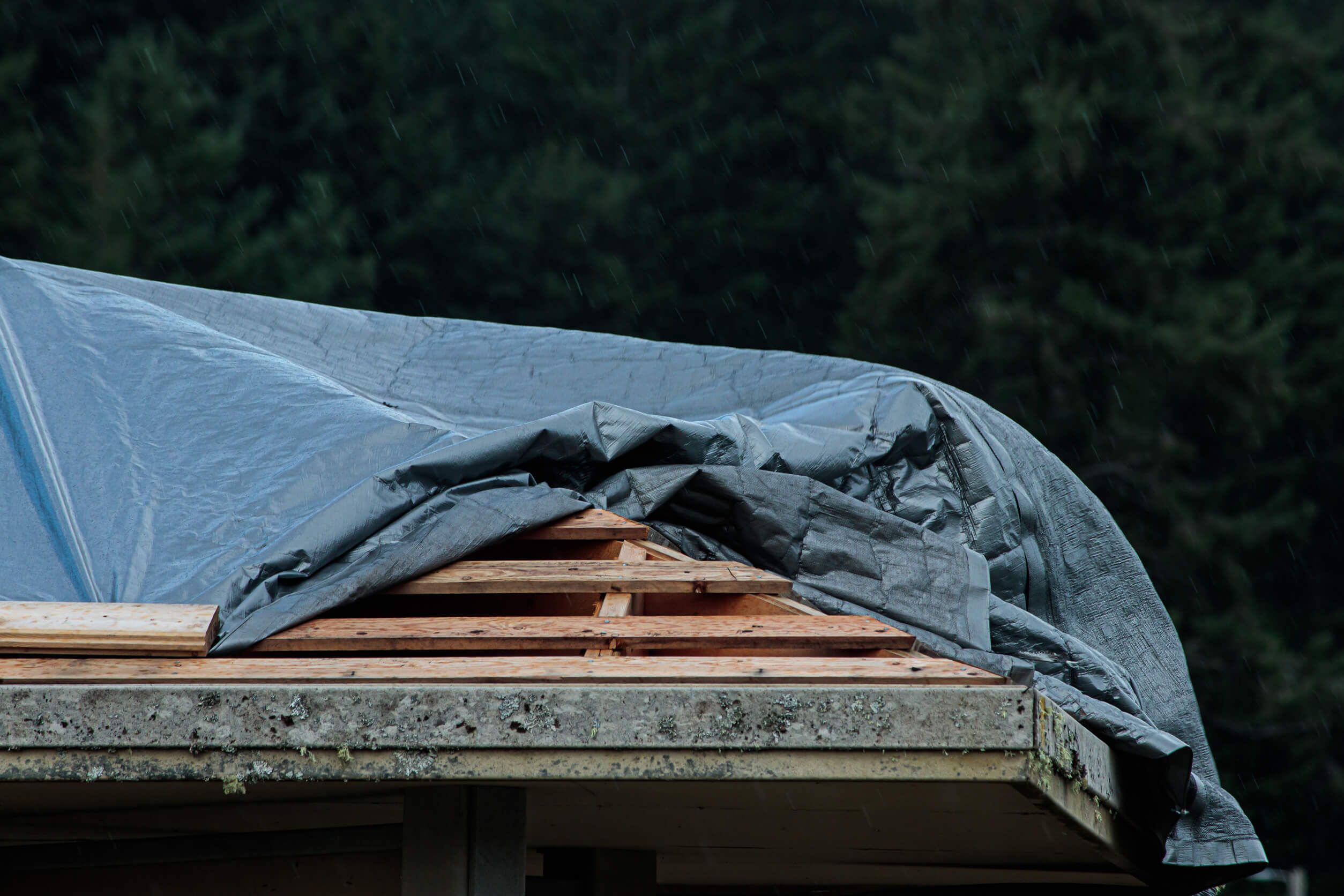
- Tarping damaged roof sections
- Temporary sealant or patching around flashing
- Emergency interior containment
However, these are not long term fixes. A temporary patch buys time, but only a proper repair can restore your roof’s integrity. Leaving temporary materials in place for months will eventually lead to more water damage and higher repair costs.
Why Gutters and Maintenance Matter When It Comes to Leaks
Many roof leaks do not start with a hole in the roof. They start with water going where it should not because gutters, valleys, and flashing are not doing their job.
If gutters are clogged, water can back up under the shingles and rot the edge of your roof. Over time, this shows up as leaks near exterior walls, soffits, or fascia.
For step by step guidance on caring for your gutters, RC Roofing LLC has a detailed article on how to clean and maintain your gutters
Regular maintenance and inspections can catch small issues long before they show up as ceiling stains or active leaks.
When a “Leak Repair” Becomes a Roof Replacement Conversation
Sometimes a leak is a symptom of an aging roof at the end of its life. In those cases, repeated repairs become less cost effective, and replacement begins to make more sense.
You might be facing a roof replacement if:
- Your roof is 20 to 30 years old or more
- Multiple leaks appear in different areas
- Shingles are curled, cracked, or missing in many places
- Granules are washing off and filling gutters
- The roof deck feels soft or spongy in spots
When that time comes, it helps to know what is involved. RC Roofing LLC explains the process in What to expect during a roof replacement
How to Prevent Future Roof Leaks
While no roof is completely leak proof, you can greatly reduce your risk with routine care and professional oversight.
Key prevention steps include:
- Scheduling professional roof inspections at least once a year and after major storms
- Keeping gutters and downspouts clean and flowing freely
- Trimming overhanging branches that can scrape or fall on the roof
- Addressing small issues, such as loose shingles or minor flashing gaps, before they grow
- Ensuring your attic has proper ventilation and insulation
For a comprehensive maintenance strategy that keeps your roof in strong condition, see RC Roofing LLC’s article The Ultimate Guide to Roof Maintenance
Why Hiring RC Roofing LLC Is the Best Way to Fix a Roof Leak
You can mop up water, place buckets, and protect your belongings, but when it comes to actually fixing the leak, professional help is essential.
Here is why working with RC Roofing LLC is the best option:
- Safety
Trained crews use proper safety equipment and methods, preventing accidents that are common with DIY roof work. - Accurate Diagnosis
Professionals know how to follow water trails, identify hidden damage, and find the true source of leaks rather than guessing. - Quality Repairs
RC Roofing uses proven materials and installation techniques that restore the entire roof system, not just the surface. - Warranty Protection
Manufacturer warranties often require professional installation and repair. DIY fixes can void coverage. - Insurance Support
Documented inspections and repairs by a licensed contractor make insurance claims smoother and more likely to be approved. - Long Term Value
A professionally repaired roof extends the life of your roofing system and helps you avoid repeat leaks and escalating damage.
Final Thoughts: Do Not Wait for a Small Leak to Become a Big Problem
A roof leak that seems minor today can quickly become a major repair tomorrow. The cost of waiting is often far higher than the cost of calling a professional early.
To fix a roof leak before it gets worse:
- Watch for early warning signs inside your home.
- Protect your belongings and contain water as best you can.
- Avoid climbing on the roof or attempting risky DIY repairs.
- Contact a professional roofing contractor like RC Roofing LLC for a thorough inspection and proper repair.
- Invest in regular maintenance to prevent future leaks.
If your home or business is in East Tennessee and you suspect a roof leak, RC Roofing LLC is ready to help with honest advice, expert service, and long term solutions.
You can schedule an inspection or request a quote
Fixing a roof leak the right way is not just about stopping water. It is about protecting your home, your investment, and your peace of mind for years to come.
Frequently Asked Questions About Fixing Roof Leaks
How do I know if my roof leak is serious?
Any roof leak is serious, even if it looks small. Brown ceiling stains, musty odors, bubbling paint, or damp spots on walls all indicate that water is getting into places it should not be. The damage you see inside is often only a fraction of what is happening in the roof structure, insulation, or attic. The safest approach is to treat every leak as urgent and contact a professional roofer as soon as you notice a problem.
Should I try to fix a roof leak myself?
It is not recommended. Roof leak repairs require working at height, identifying the true source of the leak, and repairing multiple layers of the roof system. DIY attempts often seal the wrong area, trap moisture, or damage shingles and flashing. This can make the leak worse and may void roof or material warranties. A licensed roofing contractor has the training, tools, and experience to fix leaks safely and correctly.
What should I do first when I see water coming from the ceiling?
First, protect the inside of your home. Move furniture and valuables away from the leak, place a bucket or container to catch dripping water, and lay towels on the floor. If a ceiling bubble forms, you can carefully puncture it with a small hole so water drains in a controlled way rather than spreading. Once the area is stabilized, call a professional roofing contractor to inspect and repair the source of the leak.
Is it safe to go on the roof to look for the leak?
In most cases, no. Walking on a wet or damaged roof is dangerous and can cause additional harm to shingles, underlayment, or decking. Without proper training and safety equipment, there is a real risk of falls and injuries. It is far better to stay inside, document what you see, and let a professional roofer handle the roof inspection.
Can a roof leak be fixed from the inside?
You can temporarily manage the symptoms from the inside by catching water and relieving ceiling pressure, but you cannot truly fix a roof leak from inside the house. The root cause must be addressed from the roof side, which often involves shingles, flashing, underlayment, and sometimes decking. A long lasting repair requires exterior work performed by an experienced roofing contractor.
Will a small roof leak go away on its own?
No. Roof leaks do not fix themselves. Even a small, occasional drip means water is penetrating your roofing system. Over time, this moisture can lead to rot, mold, insulation damage, and weakened structural components. What starts as a minor stain can turn into a major repair if it is ignored. The sooner a professional inspects and repairs the leak, the less extensive the damage will be.
How much does it usually cost to fix a roof leak?
Costs vary depending on the cause and extent of the damage. A small repair, such as replacing a few shingles or reworking a limited area of flashing, will cost much less than repairing rotten decking or addressing multiple leak points. The age of the roof and overall condition also play a role. A qualified roofing contractor can provide a detailed estimate after inspecting the roof and identifying the true source of the leak.
Could my roof leak mean I need a full roof replacement?
Sometimes yes, but not always. A single isolated leak on an otherwise healthy roof can often be repaired. However, if the roof is near the end of its life, has widespread shingle damage, multiple leaks, or signs of structural issues, replacement may be more cost effective than constant repairs. A professional roofer will evaluate the roof’s age, condition, and damage pattern before recommending repair or replacement.
How quickly should I call a roofing contractor after noticing a leak?
You should call as soon as possible. Roof leaks can spread quickly through insulation and structural components. The longer water infiltrates the building, the higher the risk of rot, mold, and costly interior repairs. Quick action limits damage and often reduces repair costs. Even if the leak seems minor or only appears during heavy rain, it is important to have it inspected promptly.
Can regular maintenance help prevent roof leaks in the future?
Yes. Regular roof maintenance is one of the best ways to prevent leaks. Annual inspections, cleaning gutters, trimming overhanging branches, checking flashing and sealants, and addressing small issues early all help keep your roof in good condition. Professional maintenance allows your roofer to spot early warning signs and fix them before they turn into active leaks and major repairs.