What is the Difference Between Commercial Roofing and Residential Roofing
At first glance, a roof might seem like a simple concept: it sits atop a structure to keep rain, wind, and harsh weather out while locking warmth and shelter in. However, the moment you step out of a suburban neighborhood and onto the property of a industrial complex, shopping center, or office building, the rules of roofing fundamentally change.
Whether you are a property owner planning a building project or a homeowner trying to understand why your repair costs differ from a local facility's maintenance bill, understanding these key distinctions is critical. While both residential and commercial roofs share the core purpose of protecting a building's interior, they differ significantly in architectural design, materials, installation techniques, maintenance needs, and overall cost.
Here is a comprehensive breakdown of the major differences between commercial roofing and residential roofing.
1. Roof Slope and Architectural Design
The most immediately noticeable difference between residential and commercial structures lies in their design and roof pitch (the angle or slope of the roof).
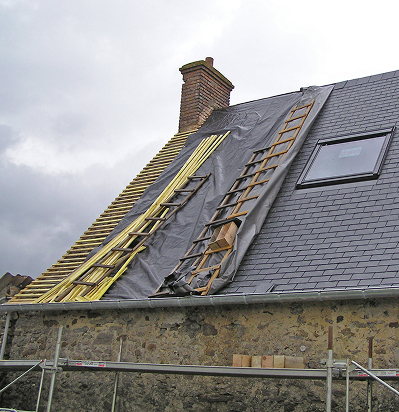
- Residential Roofs (Steep-Slope): Most homes feature steep-sloped pitched roofs. Common architectural styles include gable, hip, gambrel, and mansard roofs. The primary reason for a steep slope on a home is both aesthetic appeal and efficient water shedding. Gravity quickly pulls rain, melting ice, and debris off the roof and into the gutter system.
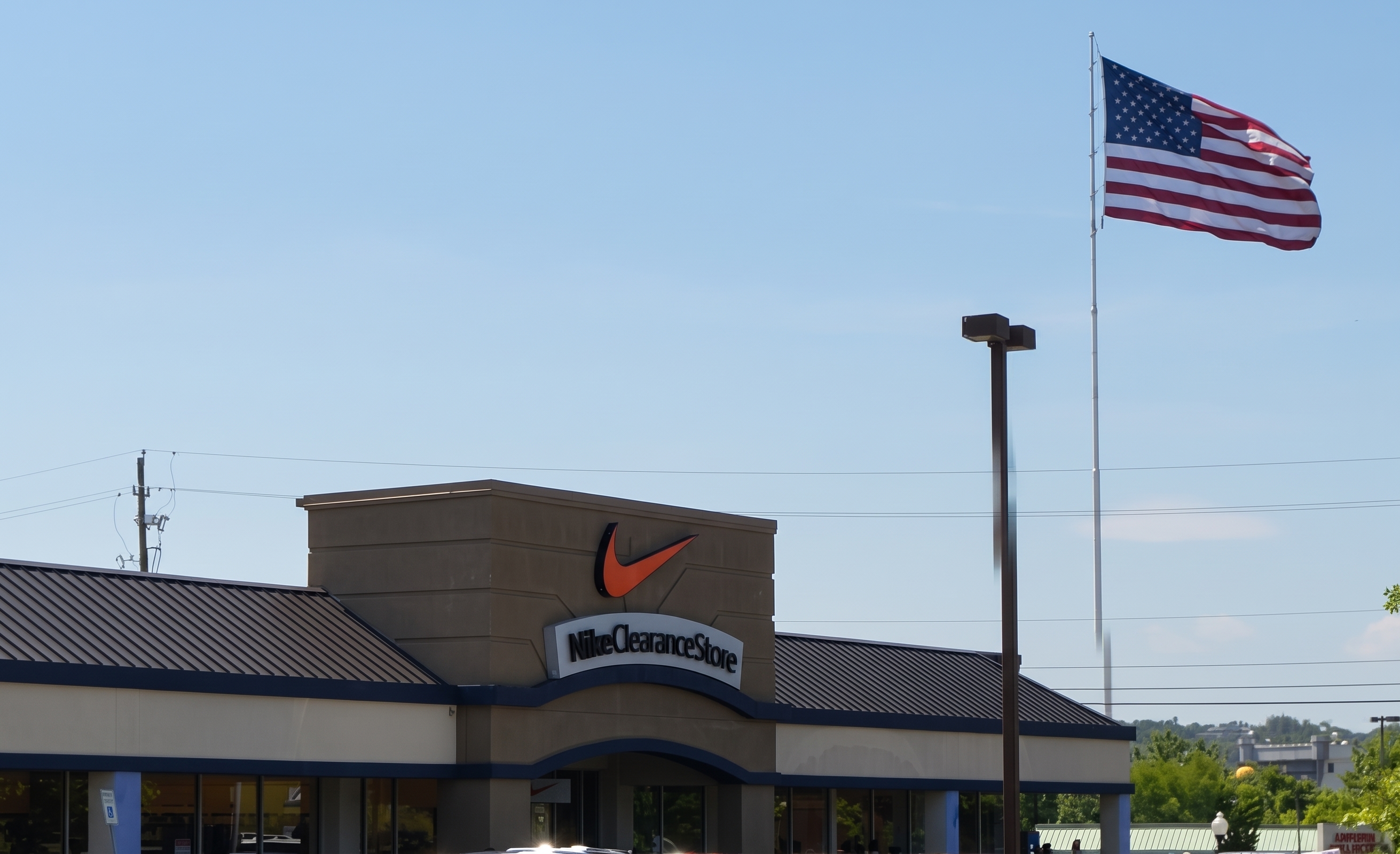
- Commercial Roofs (Low-Slope or Flat): Commercial buildings, such as warehouses, retail centers, and medical facilities, typically feature low-slope or entirely flat roof designs. Flat roofs are far more cost-effective for covering large square footages. Furthermore, flat roofs provide crucial surface area to house heavy equipment like commercial HVAC units, exhaust systems, and elevator machinery without taking up valuable ground space or parking spots.
Because flat roofs cannot rely on gravity to shed water instantly, their design requires specialized drainage solutions—such as scuppers, internal drains, and tapered insulation systems—to prevent ponding water.
2. Roofing Materials and Systems
Due to the extreme difference in roof slope and surface area, commercial and residential roofs rely on vastly different materials to keep water out.
Residential Roofing Materials
Residential roofing prioritizes curb appeal, architectural cohesion with neighboring houses, and weather protection. Popular residential options include:
- Asphalt Shingles: The most common residential material due to affordability, ease of installation, and wide variety of styles.
- Metal Roofing: Standing seam or metal panels offer exceptional durability and high energy efficiency. To explore the pros and cons of these options, check out our guide on Asphalt Roofing vs. Metal Roofing.
- Slate, Concrete, or Clay Tiles: Premium materials favored for longevity and distinctive visual style, though they require strong structural support due to their weight.
Commercial Roofing Materials
Commercial roofing systems are designed to create a continuous, watertight membrane over massive horizontal expanses. Common choices include:
- TPO (Thermoplastic Polyolefin): A popular single-ply white membrane that reflects UV rays, helping reduce building cooling costs significantly. Learn more about our specialized TPO roofing systems.
- PVC (Polyvinyl Chloride): A highly durable, flame-resistant, and chemical-resistant single-ply membrane often used on restaurants and industrial facilities. For a complete overview, see our details on commercial PVC roofing.
- EPDM (Ethylene Propylene Diene Monomer): A synthetic rubber membrane known for extreme flexibility and resistance to weathering.
- Built-Up Roofs (BUR) & Modified Bitumen: Multi-layer systems combining asphalt and reinforcing fabrics for heavy-duty protection against foot traffic and physical impact.
3. Installation Complexity and Timeline
Installing a residential roof and installing a commercial roof are two entirely different engineering operations.
Residential Installation
A typical single-family home roof replacement usually takes 1 to 3 days, depending on weather and house size. The process involves removing old shingles, inspecting or replacing wood decking, laying down protective underlayment, and nailing down new shingles or paneling. While the work requires skilled craftsmanship, it relies on straightforward mechanical fasteners and standard safety rigging.
Commercial Installation
Commercial roof installations take considerably longer—often weeks—and require specialized heavy machinery, cranes to lift massive membrane rolls, and high-temp heat-welding tools.
Because commercial membranes rely on chemical bonding, adhesive application, or heat-welded seams rather than simple nails, precision is critical. Every seam must be completely airtight and watertight. Furthermore, installers must carefully flash around numerous roof penetrations, including air handlers, vent stacks, skylights, and pipes.
To ensure your installation goes smoothly without unexpected disruptions to your operations, working with experienced professionals is essential. You can learn more about securing the right team through our guide on how to choose the right roofing contractor.
4. Maintenance Requirements and Inspections
Both types of roofs demand ongoing upkeep, but the nature and frequency of maintenance vary widely.
- Residential Maintenance: Homeowners generally need to inspect their roofs twice a year (in spring and fall) and after major storms. Maintenance usually involves clearing leaves from gutters, checking for missing or damaged shingles, and monitoring attic ventilation.
- Commercial Maintenance: Commercial roofs endure much heavier foot traffic from HVAC technicians, maintenance crews, and utility workers. Because standing water is a constant threat on flat surfaces, commercial roofs require structured preventive maintenance programs. Regular inspections focus on clear drainage paths, seal integrity around flashing, seam adhesion, and puncture detection.
If you own or manage a business facility, setting up a scheduled routine is key to preventing premature failure. Be sure to review our ultimate roof maintenance guide for commercial buildings to protect your investment long-term.
5. Cost and Long-Term Investment Dynamics
When comparing expenses, commercial and residential roofs are evaluated using different financial metrics.
While a home roof replacement is typically priced based on the house's square footage and roof pitch complexity, a commercial roof quote factors in membrane thickness, insulation layers (such as polyiso boards), structural reinforcement, and extensive custom flashing around mechanical units.
Although commercial roofs carry a higher initial investment due to size and technical complexity, high-performance single-ply membranes (like reflective TPO or PVC) deliver substantial long-term savings on building heating and cooling bills.
Finding the Right Partner for Your Roofing Project
Understanding whether your building requires residential or commercial expertise is the first step toward securing a durable, leak-free roof. Because the materials, tools, and building codes differ drastically between these two disciplines, it is vital to hire a roofing contractor with proven experience in your specific building type.
Whether you need a complete roof replacement for your family home or a tailored maintenance plan for a commercial property, reaching out to an expert team ensures the job is done right from day one. To get started on your next project or request a detailed evaluation, visit our contact page today.