Ultimate Guide to Commercial Roofing in East TN
Commercial properties in East Tennessee demand roofing systems designed for heavy regional stressors. From high summer humidity and torrential downpours in the Valley to severe freeze-thaw cycles and mountain wind patterns near the Smokies, building owners face distinct structural demands. Managing an industrial facility in Knoxville, a retail center in Maryville, or a tourism establishment in Sevierville requires understanding local climate dynamics, choosing appropriate materials, and enforcing proactive maintenance schedules to protect long-term property investments.
This guide provides an overview of commercial roofing in East TN, outlining optimal membrane systems, weather-related risks, preventative upkeep schedules, and local project execution strategies.
The East Tennessee Climate Challenge: Unique Factors for Commercial Roofs
Commercial roofing performance depends heavily on regional weather exposure. East Tennessee experiences a humid subtropical climate marked by sharp seasonal shifts that continuously stress commercial roofing assemblies.
High Humidity and Thermal Expansion
Summer temperatures across Knox, Blount, and surrounding counties frequently exceed 90°F with high relative humidity. Under direct sunlight, flat roof surfaces reach temperatures well above 150°F. Rapid heating during the day followed by night cooling creates intense thermal cycling.
This daily expanding and contracting causes mechanical stress on:
- Roof seams and lap joints
- Flashings around HVAC units and skylights
- Parapet wall terminations
- Mechanical fasteners and adhesive bonds
Over time, unmanaged thermal movement leads to membrane fatigue, split seams, and premature insulation degradation.
Severe Storms and Wind Uplift
Spring and late summer routinely bring sudden severe thunderstorms equipped with high-velocity wind gusts, hail, and torrential rainfall. Mountainous terrain can amplify local wind patterns, generating strong negative pressure (wind uplift) across large, open commercial roof decks. Proper perimeter attachment, edge metal detailing, and secure ballast or mechanical fastening are critical to prevent wind blow-offs.
Winter Freeze-Thaw Cycles
While East Tennessee winters are generally milder than northern regions, frequent drops below freezing—followed by swift afternoon thaws—create hazardous freeze-thaw cycles. Water that collects in small surface depressions, seam micro-fissures, or saturated insulation expands upon freezing. This expansion widens existing tears, separates roof layers, and accelerates structural substrate decay.
Top Commercial Roofing Systems for East TN Properties
Choosing the right roofing material depends on structural load limits, building usage, energy efficiency goals, and capital expenditure budgets.
Here is how the leading commercial roofing systems perform across East Tennessee:
+------------------+------------------------+-------------------+-------------------+
| Roofing System   | Energy Efficiency      | Lifespan Expectancy| Key Advantage     |
+------------------+------------------------+-------------------+-------------------+
| TPO              | High (Reflective)      | 20 – 30 Years     | Cost-effective    |
| PVC              | High (Reflective)      | 20 – 30+ Years    | Chemical/Grease R.|
| Metal (Standing) | Moderate to High       | 40 – 50+ Years    | Superior Longevity|
| EPDM             | Moderate (Heat Absorb) | 20 – 30 Years     | Impact Resistance |
+------------------+------------------------+-------------------+-------------------+
1. TPO (Thermoplastic Polyolefin)
TPO single-ply membranes have become the dominant choice for low-slope and flat commercial installations throughout East Tennessee.
- Energy Savings: Highly reflective white membranes bounce UV rays away from the structure, lowering cooling loads and reducing peak HVAC demand during hot East TN summers.
- Seam Integrity: TPO seams are hot-air welded, creating a monolithic barrier significantly stronger than taped or glued seams.
- Cost Efficiency: Delivers long-term performance at a competitive initial cost per square foot.
Businesses exploring single-ply installations can evaluate specialized TPO thermoplastic polyolefin roofing systems to understand attachment options, membrane thicknesses, and warranty protections.
2. PVC (Polyvinyl Chloride)
For properties requiring maximum chemical resistance—such as restaurants, food processing plants, manufacturing facilities, or structures exposed to heavy oils and animal fats—PVC membranes offer superior durability.
- Chemical & Grease Resistance: Unlike standard single-ply materials, PVC does not break down when exposed to animal fats, oils, and chemical exhaust from industrial vents.
- Durability: High tensile strength withstands foot traffic from regular mechanical service crews.
- Fire Performance: Inherently fire-resistant, providing enhanced protection for high-risk facilities.
Building owners managing industrial or food service facilities can review complete material specs via dedicated guides on commercial PVC roofing.
3. Commercial Metal Roofing (Standing Seam)
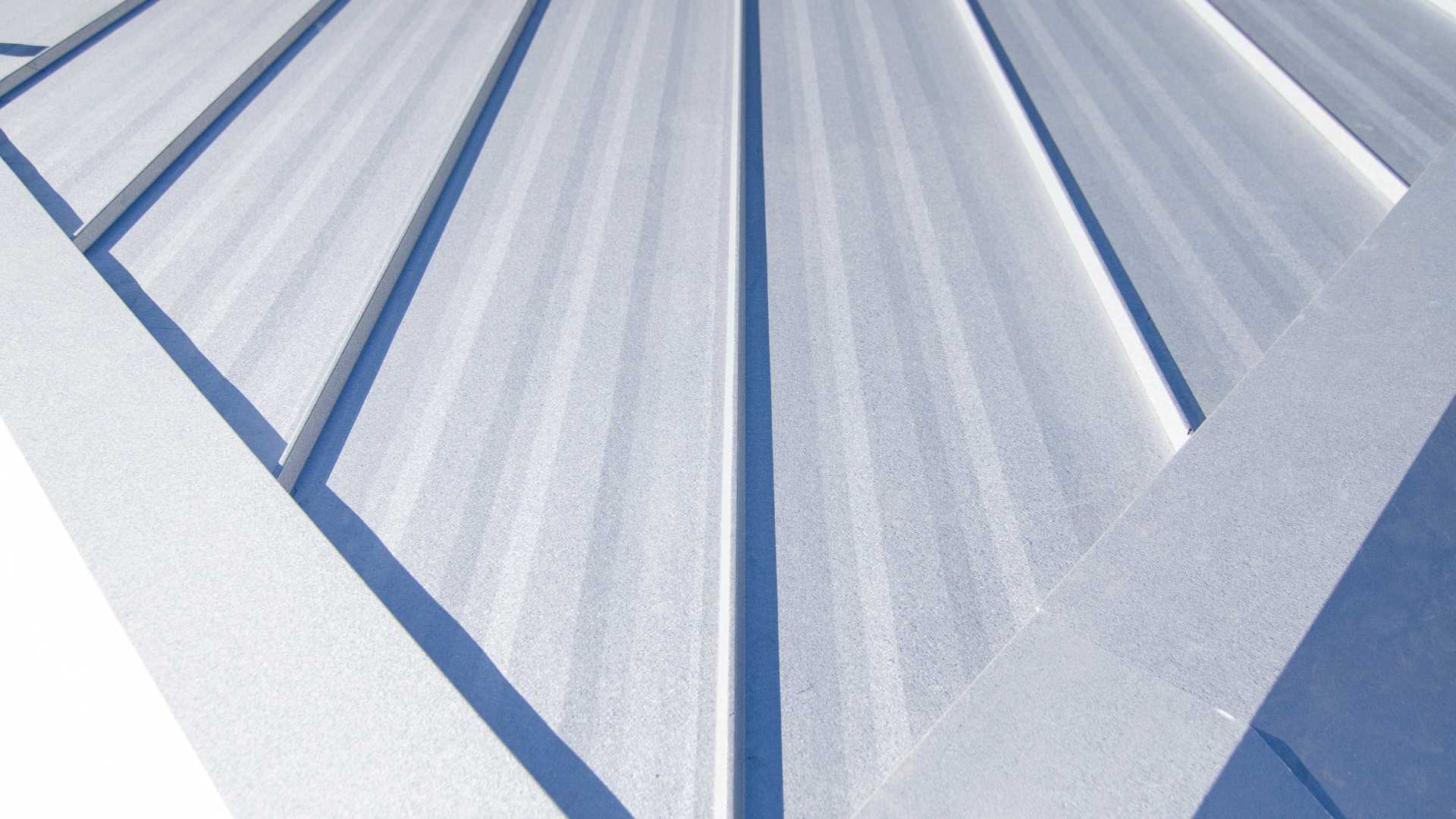
Standing seam metal roofing systems offer exceptional longevity and severe-weather performance for pitched commercial buildings, municipal offices, and architectural properties.
- 50+ Year Lifespan: High-grade steel or aluminum panels resist corrosion and weathering for decades.
- Concealed Fasteners: Fasteners remain protected from direct UV exposure and precipitation, minimizing leak vulnerabilities.
- High Wind Resistance: Panel interlock mechanisms deliver superior uplift ratings during severe East TN mountain storms.
4. EPDM (Ethylene Propylene Diene Monomer)
EPDM synthetic rubber remains a viable, durable option for facilities prioritizing puncture resistance and proven long-term performance.
- Impact Resistance: Flexes under thermal stress and withstands hail impacts exceptionally well.
- Proven Track Record: Decades of field testing support its reliability when installed with modern adhesive formulations.
- Thermal Gain: Its dark surface absorbs heat, which can benefit buildings with dominant winter heating loads, though reflective coatings may be needed for summer efficiency.
Common Commercial Roofing Vulnerabilities and How to Prevent Them
Commercial roofs often cover extensive square footage, meaning minor defects can go unnoticed until significant water intrusion damages internal inventory or structural decking.
                  +-----------------------------------+
                  |  Primary Leak Risk Vulnerabilities|
                  +-----------------------------------+
                                    |
     +------------------------------+------------------------------+
     |                              |                              |
     v                              v                              v
[ Penetrations & HVAC ]   [ Edge Metal & Parapets ]    [ Blocked Drainage ]
     |                              |                              |
     +------------------------------+------------------------------+
                                    |
                                    v
                  +-----------------------------------+
                  | Structural Damage & Mold Exposure |
                  +-----------------------------------+
Flashings and Rooftop Equipment Penetrations
HVAC units, exhaust vents, skylights, and conduit lines create penetration points in the roof membrane. Over time, sealant deterioration, improper pitch-pocket filling, or pipe boot degradation allow water to bypass surface layers.
- Prevention: Schedule routine flashings inspections and replace aged sealants with high-grade polyurethane sealant formulations.
Drainage Deficiencies and Ponding Water
A flat roof is engineered with a subtle pitch to guide water toward internal drains, scuppers, or gutters. Ponding water—defined as standing water remaining on a roof longer than 48 hours following rain—causes fast-tracked membrane degradation, structural deflection, and vegetation growth.
- Prevention: Keep drain sumps free of debris, leaves, and trash. Ensure tapered insulation packages are added during roof replacement to eliminate low-altitude dead zones.
Unmonitored Foot Traffic
Service technicians servicing rooftop units often drop tools, drag heavy panels, or walk off designated walkways, puncturing single-ply membranes or damaging standing seam seams.
- Prevention: Install designated rubberized walkway pads from access hatches to all major mechanical units.
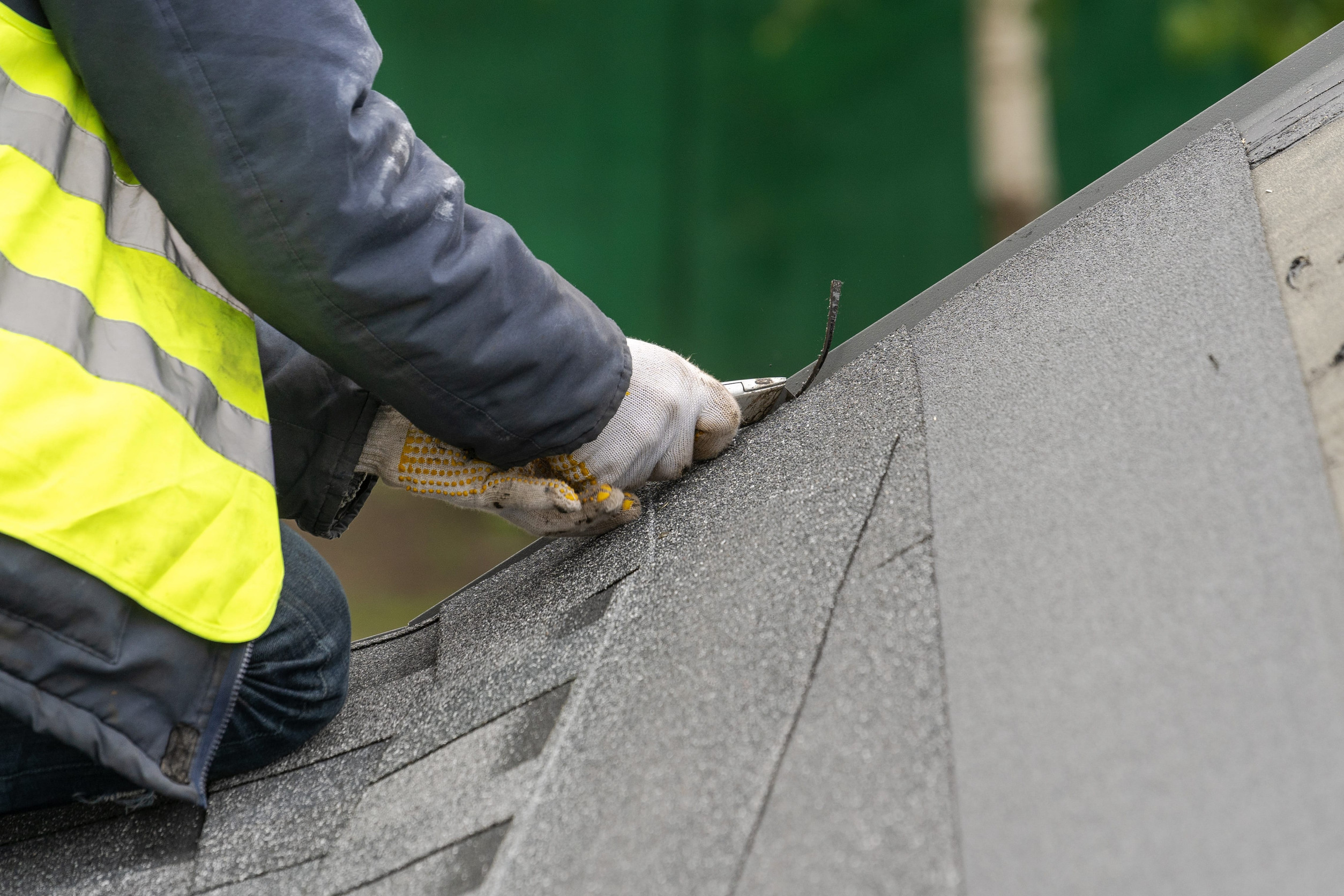
When structural degradation or seam separation occurs, property owners should review options for commercial roof repair in Knoxville to understand targeted restoration techniques versus full tear-off requirements.
Developing a Proactive Commercial Roof Maintenance Strategy
Waiting for an active leak to trigger repairs leads to costly business disruptions, structural rot, mold remediation expenses, and premature roof replacement. A structured, bi-annual maintenance plan protects warranties and doubles the service life of commercial roofing systems.
+-------------------------------------------------------------------------+
|                  BI-ANNUAL MAINTENANCE CHECKLIST                        |
+-------------------------------------------------------------------------+
| [ ] Spring Inspection: Clear winter debris; check freeze-thaw damage.   |
| [ ] Fall Inspection: Clear leaves; prep drainage for winter precipitation.|
| [ ] Inspect all flashings, pipe boots, and wall terminations.            |
| [ ] Verify clear water flow through scuppers, gutters, and downspouts.  |
| [ ] Document all rooftop equipment service visits and walkway usage.   |
+-------------------------------------------------------------------------+
The 2-Checklist Annual Routine
- Spring Inspection (Post-Winter Assessment): Evaluate structural performance following winter freeze-thaw conditions. Inspect seams for split openings, check edge metal for thermal pull-away, and clear spring storm debris from drain baskets.
- Fall Inspection (Pre-Winter Preparation): Clean leaves, organic build-up, and dirt accumulators from low areas, gutters, and internal drains. Verify all expansion joint covers and flashing seals are watertight before winter moisture arrives.
Moisture Inspections and Thermal Imaging
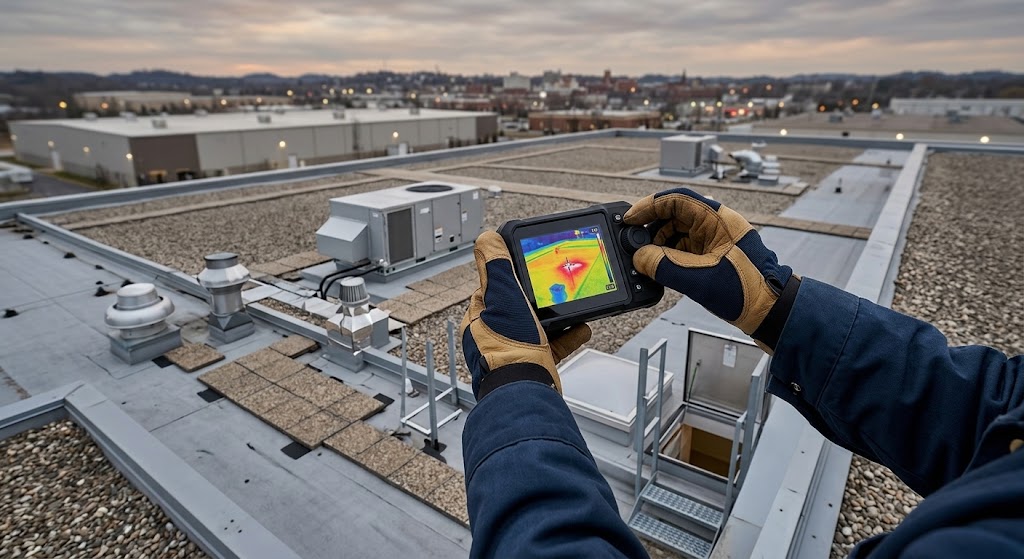
Infrared thermography inspections identify wet insulation beneath intact surface membranes before visible water droplets drop into building interiors. By locating trapped moisture, building managers can perform surgical patch repairs and board replacements rather than replacing thousands of square feet of sound insulation.
To review complete preventative framework protocols, facility administrators can reference the comprehensive guide on commercial roof maintenance plans that prevent leaks.
Roof Repair vs. Restorative Coating vs. Full Replacement
When a commercial roof shows signs of age or stress, managers must evaluate three distinct path strategies: patch repair, elastomeric coating installation, or complete tear-off and replacement.
                                 [ Roof Condition Assessment ]
                                               |
                     +-------------------------+-------------------------+
                     |                         |                         |
                     v                         v                         v
               Local Defects?          Substrate Dry?             >30% Saturated?
             (<5% Roof Area)          (Membrane Aged)             (Deck Compromised)
                     |                         |                         |
                     v                         v                         v
            [ Target Roof Repair ]   [ Restoration Coating ]     [ Full Replacement ]
1. Spot Roof Repair
- Best Used For: Isolated punctures, damaged flashing boots, localized mechanical impacts, or minor seam splits where insulation beneath remains completely dry.
- Advantage: Low immediate cost, quick execution, zero operational downtime.
2. Elastomeric Roof Restoration Coatings
- Best Used For: Aging single-ply or metal roofs with sound substrates, less than 5% insulation moisture contamination, and intact overall seam geometry.
- Advantage: Applies liquid silicone or acrylic barriers directly over existing roofs, adding 10 to 20 years of waterproof service life while qualifying as a fully deductible maintenance expense rather than a capitalized real estate improvement.
3. Complete Roof Replacement (Tear-Off)
- Best Used For: Roofs with more than 25–30% saturated insulation, compromised decking structures, or systems that have exceeded their engineered lifespan after multiple repair cycles.
- Advantage: Restores structural integrity, allows installation of modern high-R-value polyisocyanurate insulation, and grants long-term manufacturer NDL (No Dollar Limit) warranties.
Property owners needing immediate repairs or structural restoration across Blount County can connect with local crews for targeted commercial roofing services in Maryville, TN.
Localized Considerations Across East Tennessee Service Regions
Roofing requirements vary considerably across East Tennessee's distinct sub-regions due to local microclimates, municipal codes, and regional industry needs.
Knoxville & Knox County
Commercial properties in Knoxville range from downtown historical brick renovations requiring specialized perimeter flashing to expansive manufacturing plants along I-40 requiring high-efficiency TPO membrane covers. Facilities within city limits must strictly comply with local building energy performance codes and structural wind-load specs.
Building managers operating in this market can review localized service guidelines through designated portals for commercial roofing services in Knox County, TN.
Sevierville, Pigeon Forge, & Gatlinburg (Sevier County)
Sevier County presents a high concentration of hospitality properties, mountain resorts, cabins, and entertainment venues. Properties situated in high-elevation areas face increased snow loads, severe wind shear, and dense tree-canopy debris accumulation.
- Material Performance: Standing seam metal and heavy-duty single-ply membranes dominate due to steep pitches, leaf-drop exposure, and high seasonal rainfall.
- Logistics: Construction work in high-density tourism zones requires off-peak scheduling to prevent disturbance to guests and avoid parking lot blockages.
Facility directors navigating these specific local demands can consult specialized resources detailing Sevier County commercial roofing challenges and systems.
Townsend & Blount County
Located along the border of the Great Smoky Mountains National Park, commercial structures in Townsend and Maryville face high relative humidity, heavy forest debris, and localized mountain microclimates. Low-slope roofs require constant drain management to prevent moss, algae, and organic build-up from trapping moisture along seam edges.
Key Factors When Choosing an East Tennessee Commercial Roofing Contractor
Commercial roofing installations require heavy machinery, specialized hot-air welding equipment, certified installation crew safety protocols, and strict adherence to building code compliance. Choosing an inexperienced installer risks voiding manufacturer material warranties.
When vetting commercial roofing contractors in East TN, verify the following credentials:
+----------------------------------------------------------------------------+
|                       CONTRACTOR VETTING CHECKLIST                         |
+----------------------------------------------------------------------------+
| [ ] Licensing & Insurance: Valid TN Commercial Contractor License & Mod 1.0|
| [ ] Manufacturer Certifications: Authorized installer status (Carlisle, GA)  |
| [ ] Safety Compliance: Strict adherence to OSHA Fall Protection guidelines  |
| [ ] Local Portfolio: Verified track record in Knox, Blount, & Sevier Co.   |
| [ ] Comprehensive Warranties: Capability to deliver Manufacturer NDLs      |
+----------------------------------------------------------------------------+
- Licensing and Commercial Insurance: Verify active Tennessee Commercial Contractor Licensing with appropriate monetary limits covering large-scale commercial scopes. Ensure full Workers' Compensation and General Liability coverage with a minimum $2M to $5M umbrella policy limit.
- Manufacturer Certifications: Top single-ply material manufacturers (e.g., Carlisle, GAF, Elevate) only issue long-term NDL (No Dollar Limit) warranties when installation work is completed by certified, factory-trained contractor crews.
- OSHA Compliance Standards: Commercial sites demand strict safety compliance, including perimeter guardrails, personal fall arrest systems (PFAS), safety monitoring protocols, and site safety plans.
- Local References & Project History: Request recent local commercial case studies and client contacts operating similar building types across Knox, Blount, or Sevier counties.
To partner with an experienced, certified team servicing the greater regional area, submit your site specifications through the portal to get a commercial roofing quote.
Summary Checklist for East TN Building Owners
Managing commercial real estate in East Tennessee demands a proactive approach to roof system management. By selecting weather-appropriate membranes like TPO, PVC, or Standing Seam metal, maintaining clean roof drainage, scheduling bi-annual inspections, and addressing minor seam repairs immediately, you can maximize your roof's service life, control utility costs, and protect your asset for decades to come.